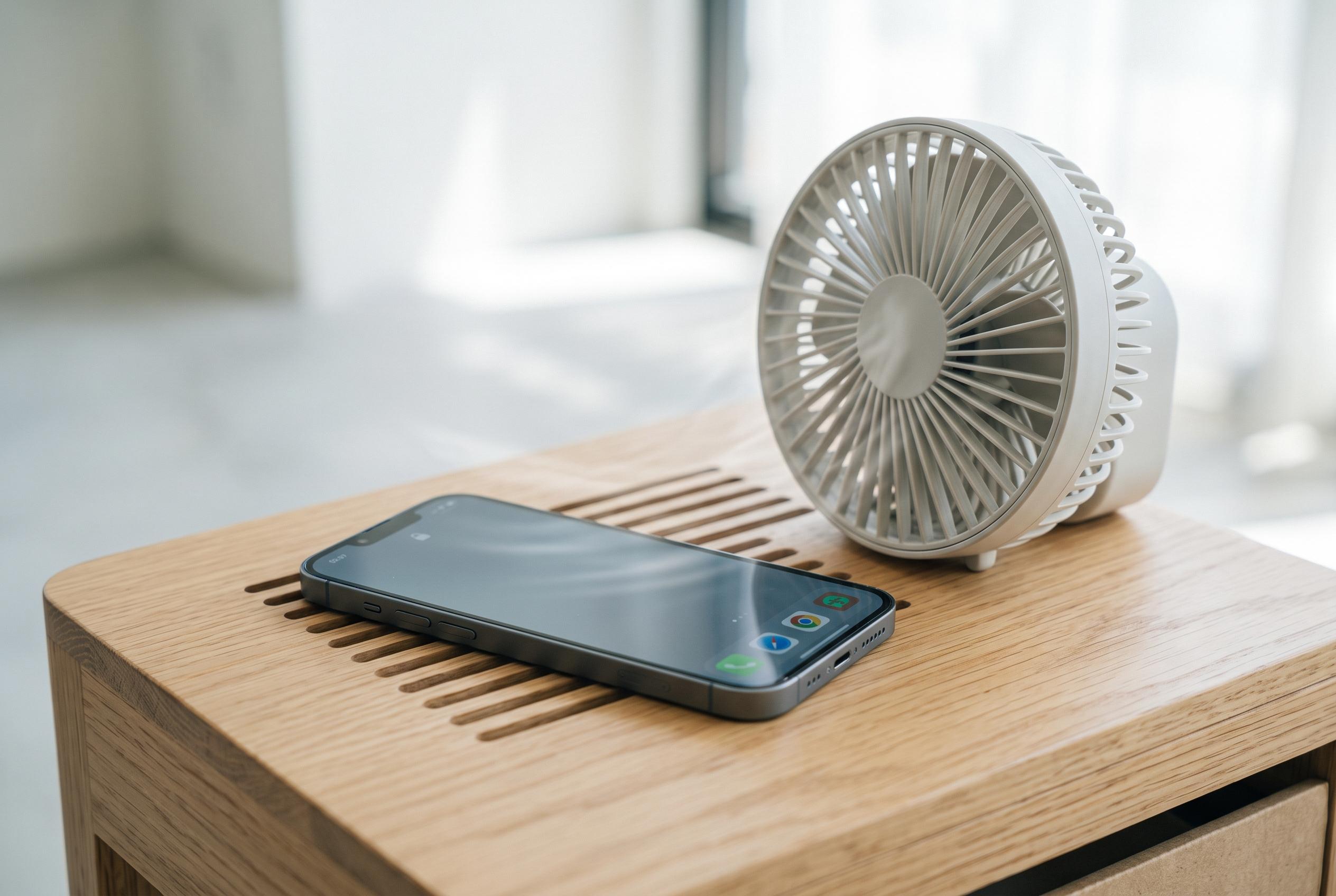

Overheating smartphones can result from heavy processing, environmental stress, or poor usage habits. Experts share practical tips to keep your device cool, prolong battery life, and avoid hardware damage during hot weather conditions.
A hot smartphone is usually a sign of heavy processing, poor ventilation or environmental stress rather than an immediate fault. Phones generate heat when the processor, battery or radios are pushed hard, especially during gaming, video capture, navigation or extended charging. McAfee and PhoneCheck both note that software problems, storage pressure and malware can also contribute, while Samsung says power-intensive apps such as GPS and video editing tools are common triggers.
The first step is to reduce the load. Close unnecessary apps, pause demanding games and avoid running navigation or streaming for long periods when the device is already warm. Tech Advisor advises keeping phones out of direct sunlight and limiting outdoor use in hot weather, particularly for graphics-heavy apps. Samsung also recommends cutting back on sustained use of high-power features when the phone is already struggling.
Charging habits matter as well. A phone can heat up naturally while charging, but damage risk rises if the battery is old, faulty or under strain. McAfee and PhoneCheck warn that failing batteries may overheat more seriously and should be checked by a professional. It is also sensible to remove thick cases during charging if they trap heat, and to use approved chargers rather than cheap replacements that may not regulate power properly.
If the phone is already too warm, cool it gradually. Tom’s Guide advises placing it on a flat surface with good airflow and avoiding sudden temperature changes such as putting it in a fridge, freezer or water. That advice is important because rapid cooling can create internal condensation and cause more harm than the heat itself. Keeping the operating system updated, clearing storage and checking for malware are also practical ways to reduce repeated overheating and protect battery life over time.
Disclaimer: This content is intended for informational purposes only. Readers are advised to exercise their own judgement, conduct due diligence, or consult a qualified expert before acting on any information provided.