
Understanding the differences between 5V 1A and 5V 2A chargers can optimise device performance and safety, but selecting the right power supply depends on device requirements and quality standards.
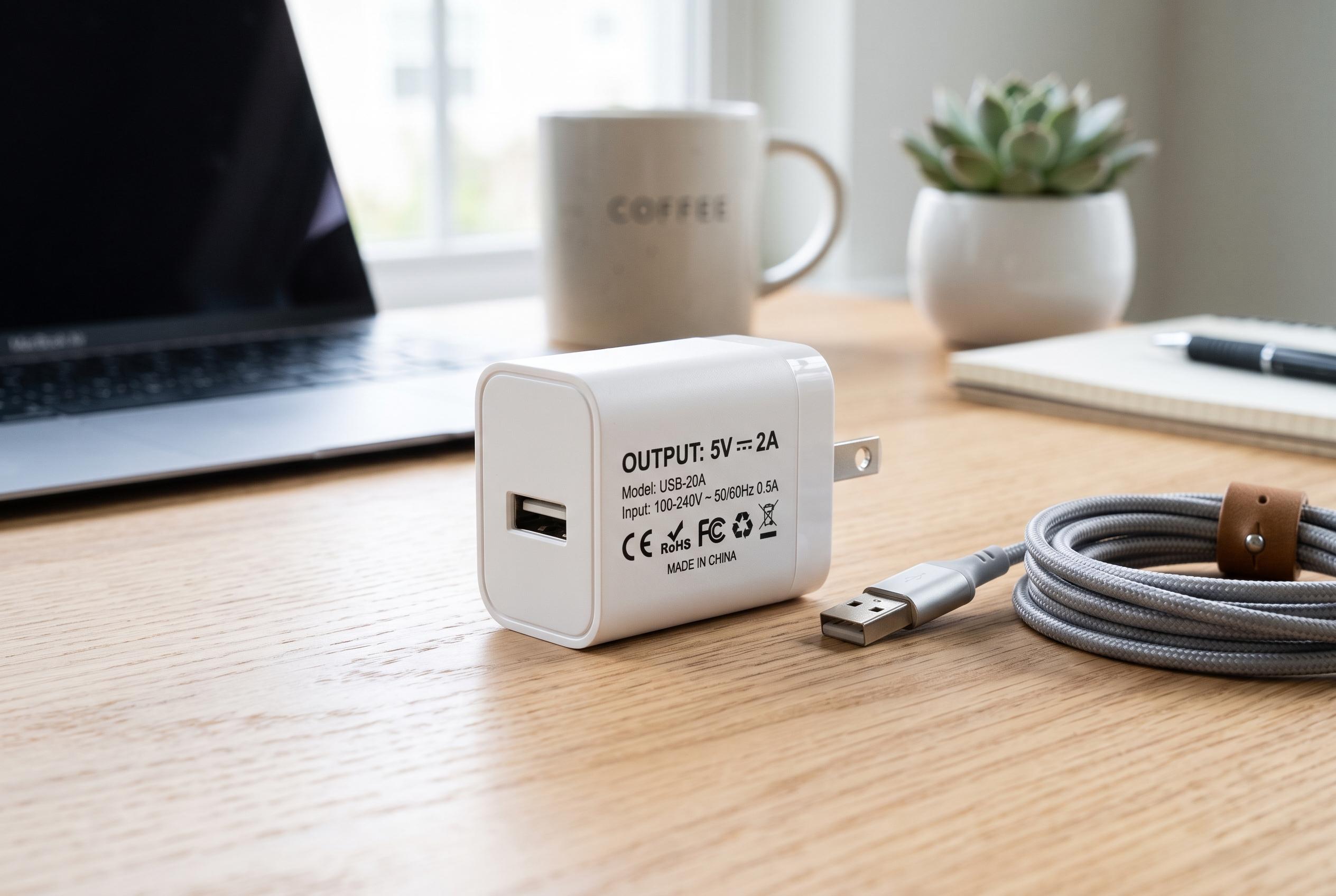
Choosing between a 5V 1A charger and a 5V 2A charger is not complicated once the numbers are translated into practical terms. As the source article explains, the key difference is power: at the same voltage, the 2A unit can supply more current and therefore more watts, which usually means faster charging if the device is designed to accept it. Several hardware guides make the same basic point, noting that 5V 1A delivers 5 watts while 5V 2A delivers 10 watts.
That distinction matters because the label on a charger does not describe what a device must take, only what the charger can provide. Anker and EcoFlow both note that the device draws only the current it needs, which is why a higher-amperage charger is generally safe for compatible equipment, provided the charger and cable are well made. The real hazard comes from poor-quality adapters or damaged leads, not from the higher figure printed on the power supply.
In practice, that means a 5V 2A adapter is usually the better choice for phones, e-readers, wireless headphones and power banks. The 5V 1A unit can still work, but it will often be noticeably slower, especially if the phone is in use while charging. The source article’s warning is sensible: screen use, streaming and background apps can eat into the gain from a low-power charger, leaving the battery percentage moving up only gradually.
It is also worth separating ordinary charging from fast charging. EcoFlow and Huawei both indicate that true fast charging typically depends on higher voltages and higher wattages than 5V 2A alone can provide. Huawei’s support material, for example, refers to chargers that can switch between 5V/2A for standard charging and 9V/2A for faster operation, which shows why the same USB plug does not guarantee the same performance.
That point becomes especially important with USB-C, public charging points and laptops. A cable may fit, but fit does not mean suitable power delivery. The source article rightly notes that many notebooks need far more than 10 watts, often around 65 watts or more, so a phone charger may top up a laptop very slowly or fail to keep pace with consumption while the machine is running.
The practical rule is straightforward: match voltage, then check current and wattage against the device’s needs. For small accessories, 5V 1A may still be enough. For most modern phones and power banks, 5V 2A is the safer and more useful baseline. For laptops, tablets and other power-hungry devices, the correct charger is the one specified by the manufacturer, not simply the one that fits the port.
Disclaimer: This content is intended for informational purposes only. Readers are advised to exercise their own judgement, conduct due diligence, or consult a qualified expert before acting on any information provided.