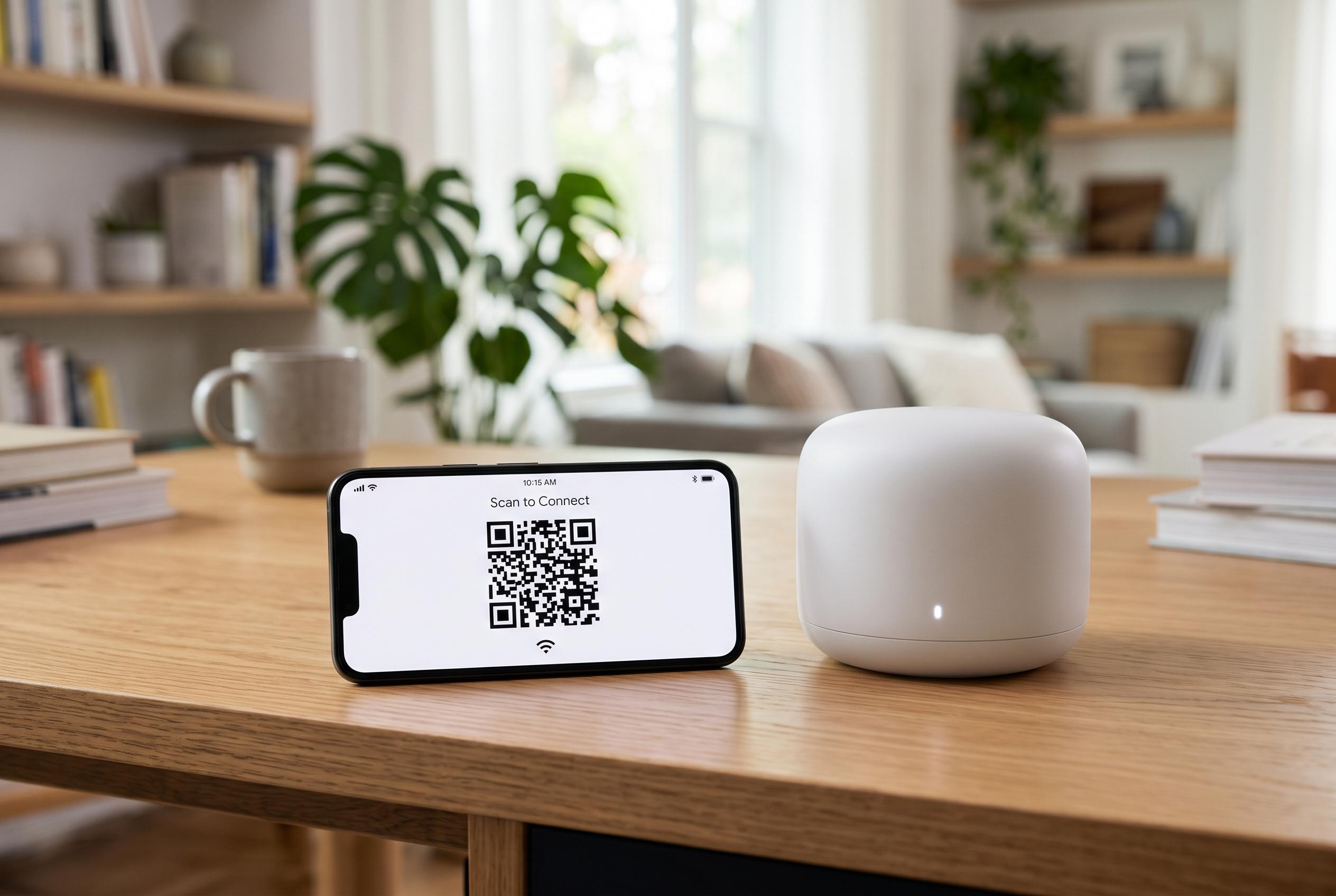

With modern smartphones supporting quick and secure Wi-Fi sharing methods, QR codes are emerging as a superior alternative to WPS, offering a safer way to provide network access without compromising security.
Many home users still waste time reading out long Wi-Fi passwords to guests, but most modern routers and phones already support quicker, safer ways to share access. According to the French article, the two main options are QR codes and Wi-Fi Protected Setup, better known as WPS. Both can be used legally, but only with the network owner’s permission, and both are designed to remove the need to type the password by hand.
The QR code method is the cleaner option. It stores the network name, security type and password in a scannable code, allowing a phone or tablet to join automatically after a scan. TechAdvisor says Android and iPhone devices can share an already-connected Wi-Fi network through their settings, usually by generating a QR code or a built-in sharing prompt. QR code generators such as QRPoster and QRStuff work in the same way, encoding the SSID, password and encryption type so visitors can connect without seeing the key.
WPS works differently. Instead of scanning a code, the user presses a physical button on the router and then selects the WPS connection option on the device. For older laptops, TVs and game consoles, that can still be useful. The French report notes that the method is less relevant on newer smartphones and is not supported on Apple devices, which makes QR sharing the more universal choice for most households.
Security is the main reason experts advise caution. The French article cites French cyber-security guidance in warning that leaving WPS enabled all the time increases the attack surface of a router. The safer approach is to switch it on only when needed, then turn it off again, while keeping router firmware updated. In practice, QR sharing or a guest network is usually the better option for visitors, because it keeps the main password private and avoids repeating it aloud or writing it down.
Disclaimer: This content is intended for informational purposes only. Readers are advised to exercise their own judgement, conduct due diligence, or consult a qualified expert before acting on any information provided.