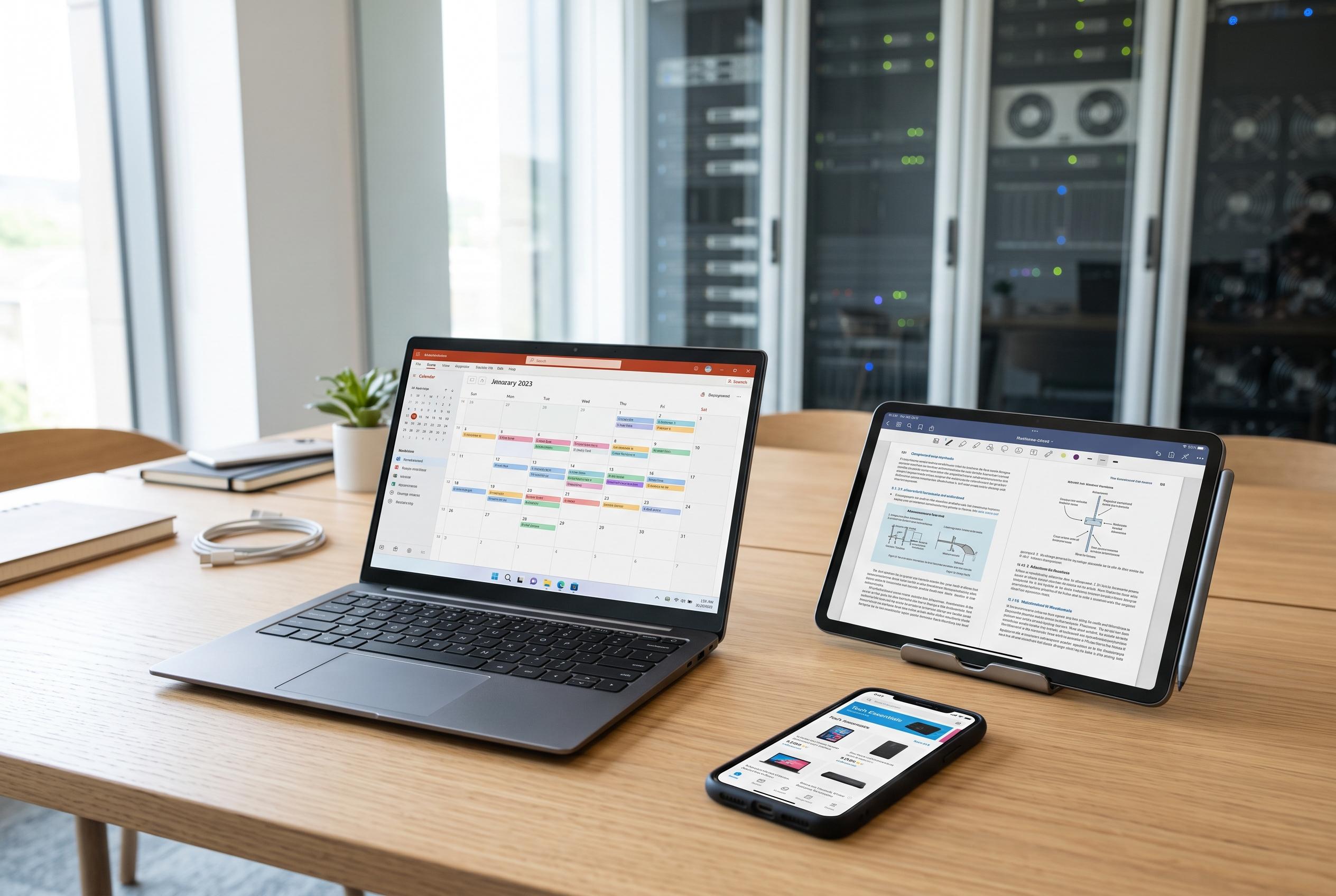

Rising costs for laptops, tablets, and smartphones are linked to a global memory chip shortage, exacerbated by AI data centres, impacting back-to-school tech spending.
As families prepare for the new school year in southern Arizona, the price of everyday technology is rising fast, and industry watchers say the pressure is unlikely to ease soon. Matt Rosen, founder and chief executive of Allata Tech, said the core problem is a global shortage of memory chips, a constraint now shaping the cost of laptops, tablets and smartphones.
Rosen said artificial intelligence data centres are consuming a growing share of the world’s memory supply, leaving less capacity for consumer devices. That squeeze is already flowing through to retail pricing, with higher costs appearing across well-known product lines such as Dell laptops, MacBooks and iPads. The message for shoppers is straightforward: the same device now costs more because the components inside it are becoming harder to source.
The wider market picture supports that warning. An analysis cited by Tom’s Hardware found that RAM prices in 2026 have effectively returned to 2007 levels, undoing years of decline as demand for high-bandwidth memory tied to AI systems surged. Other reports say DRAM and NAND flash prices have jumped sharply, while PC makers including HP, Asus and Acer have begun looking for alternative suppliers as they try to secure stock. In practice, that means manufacturers are prioritising higher-margin server hardware and limiting supply for consumer products.
The shortage is also spilling into other parts of the economy. Reports from the US indicate that AI-related data centres are contributing to higher electricity costs and forcing some states to push those firms to pay more of their own infrastructure expenses. For parents, the immediate effect is more personal: back-to-school technology spending is already running into the hundreds or even thousands of dollars per child. Rosen advised buyers to consider lower-cost options such as Chromebooks or to keep older devices in service longer, and said sales now may be the best chance to avoid the full impact of the shortage.
Disclaimer: This content is intended for informational purposes only. Readers are advised to exercise their own judgement, conduct due diligence, or consult a qualified expert before acting on any information provided.