
Google’s latest Pixel Tag aims to compete in the advanced item tracker market with Ultra-Wideband and Bluetooth 6.0, but its design choices and compatibility issues may limit its appeal against established rivals.
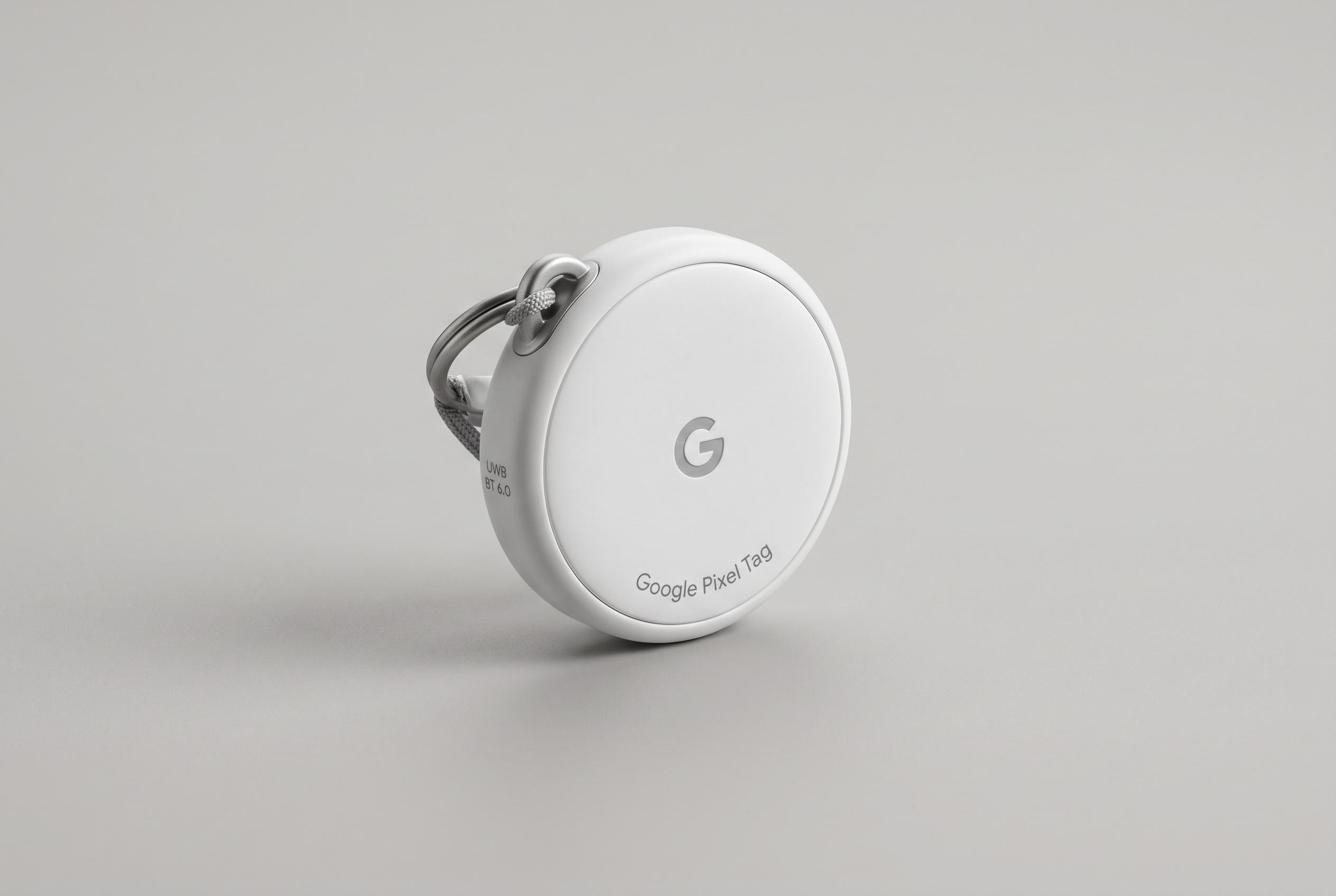
Google’s Pixel Tag is the most interesting new accessory from the company’s Made by Google 2026 event, not because it is radically different, but because it is Google’s first serious answer to a market Apple, Chipolo, Motorola and Life360 have already spent years shaping. The Pixel 11 phones and Pixel Watch 5 are familiar iterations of existing lines. The tracker is the fresh product, and that makes its omissions easier to notice. The device appears to offer the basics expected of a modern item finder, but the question is whether Google has added enough to make it the clear choice.
On paper, the Pixel Tag looks capable. Google has built in Ultra-Wideband, which allows more precise directional finding, and Bluetooth 6.0 Channel Sounding, which should improve short-range location accuracy. The company also says it supports reverse phone finding, works with Find Hub and lasts for more than 300 days on a battery. Find Hub itself is Google’s updated tracker platform, designed to let users manage and share compatible accessories with up to 10 people, according to Google’s support documentation.
That foundation matters because the tracker market is no longer new. Chipolo’s Loop, for example, is rechargeable, works with both Apple Find My and Google’s Find Hub, includes a 125 dB sound and promises up to a year of battery life. Motorola’s Moto Tag 2 goes further on endurance, with more than 500 days of battery life, UWB support and Bluetooth 6.0. Google’s device enters a field where rivals are already using the same core locating technologies while also adding practical touches that matter day to day.
The strongest criticism is not that the Pixel Tag is underpowered, but that it seems to have been designed around appearance rather than convenience. It has no built-in loop, no USB-C charging port and no left-behind alerts through Find Hub. That means a case becomes part of the purchase for anyone wanting to attach it to keys or a bag, which weakens the case for its slim, pill-shaped design. The result is a tracker that looks polished, but is less self-contained than several rivals.
There is also the issue of compatibility. Google’s own Find Hub can share tagged items among multiple people, which is useful for households and shared gear. Yet the Pixel Tag does not appear to use the full Find Hub API in the way some users might expect from a first-party accessory. Meanwhile, reports from 9to5Google indicate that even some older Pixel phones with UWB hardware cannot use that capability for Find Hub trackers, which underlines how uneven Google’s tracking ecosystem still is.
That leaves the Pixel Tag in a difficult position. It is not a poor product, and for buyers already invested in Pixel hardware, the software experience may still be compelling. But the broader market now offers trackers that are smaller, more flexible and in some cases more feature-rich. For a device most people only think about when something is lost, utility is likely to matter more than design. On that measure, Google’s first tracker looks competent rather than decisive.
Disclaimer: This content is intended for informational purposes only. Readers are advised to exercise their own judgement, conduct due diligence, or consult a qualified expert before acting on any information provided.