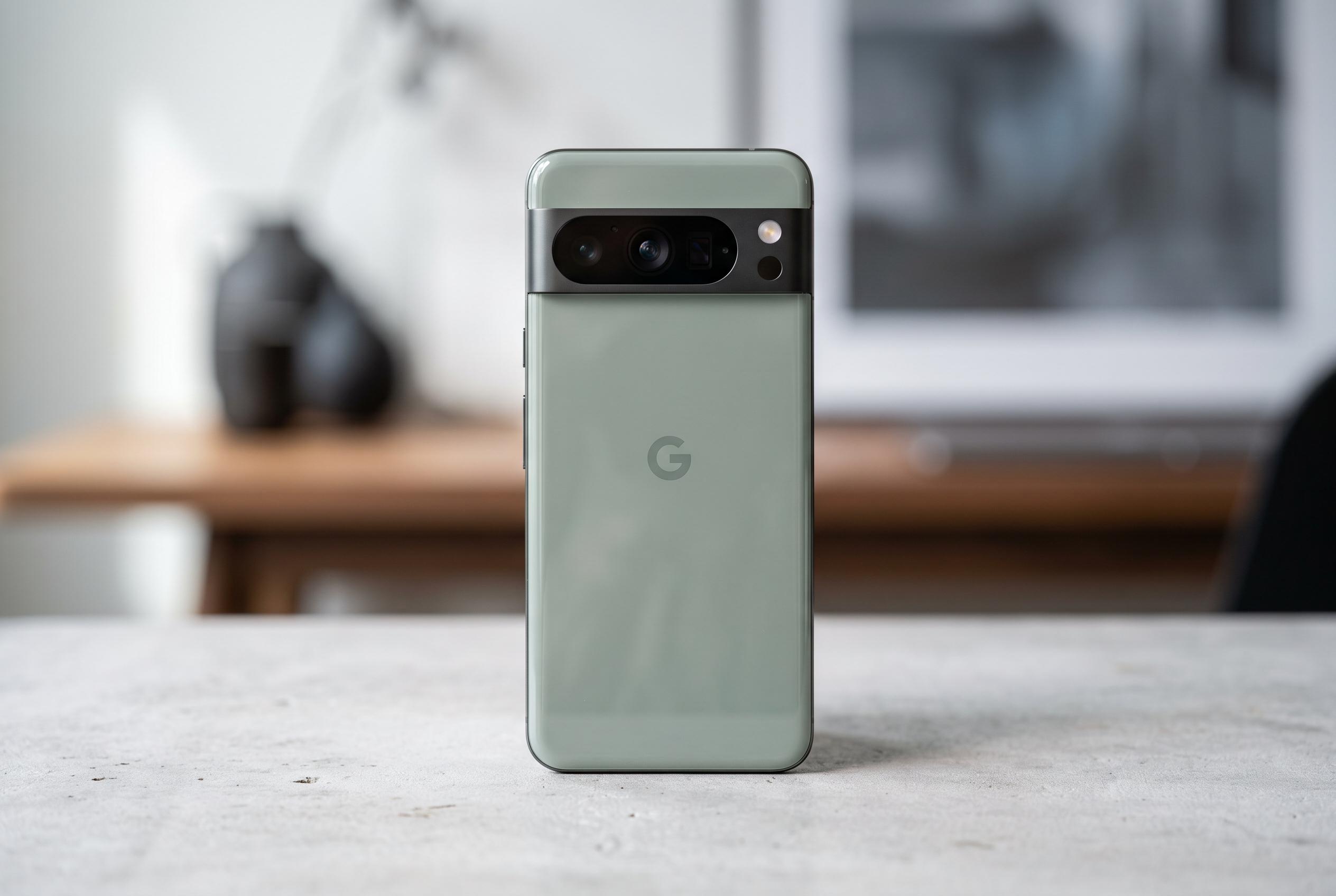

The Pixel 11 makes its debut in India as a direct rival to Apple’s iPhone 17, highlighting differences in camera technology, battery performance, and design strategy amid competitive pricing and specifications.
Google’s Pixel 11 enters the market as a direct rival to Apple’s iPhone 17, and the contrast is as much about product strategy as it is about specifications. In India, the Pixel 11 starts at Rs. 89,999 for the 12GB RAM and 256GB storage model, while the iPhone 17 begins at Rs. 82,900 for the same storage tier. Both phones are sold in multiple colour options, but the Pixel is positioned as the more camera-focused and battery-led device, while Apple leans on its tighter hardware-software integration and performance consistency, according to comparison guides from Gadgets 360, Smartprix and Product Wiki.
On the outside, the two handsets are closely matched in screen size, each using a 6.3-inch panel. The Pixel 11 features an OLED Actua display with a 120Hz refresh rate, HDR support and Corning Gorilla Glass Victus 2, while Apple’s Super Retina XDR OLED panel also supports 120Hz through ProMotion and always-on display. Apple’s Ceramic Shield 2 is said to improve scratch resistance over the iPhone 16 family, according to Apple’s own comparison page. The Pixel is the heavier phone at about 197g, compared with 177g for the iPhone, and both carry IP68 protection against dust and water, according to Gadgets 360 and Apple.
Inside, the phones follow different priorities. The Pixel 11 uses Google’s Tensor G6 chip with the Titan M3 security coprocessor and a 4,985mAh battery, with support for 30W wired and 25W wireless charging. Google says it should deliver more than 30 hours of use. The iPhone 17 runs on Apple’s A19 chip, which includes a 16-core Neural Engine, a six-core CPU and a five-core GPU with Neural Accelerators, plus hardware-accelerated ray tracing. Apple does not publish battery capacity, but says the iPhone 17 lasts up to 8 hours longer than the iPhone 16. PhoneArena and Smartprix both frame this as a contest between raw efficiency and Apple’s stronger sustained performance profile.
The camera systems mark the clearest split. Google equips the Pixel 11 with a triple rear array: a 48-megapixel main camera, a 13-megapixel ultrawide lens and a 10.8-megapixel telephoto camera with up to 5x optical zoom, plus a 10.5-megapixel front camera. The iPhone 17 has a dual rear setup, pairing a 48-megapixel main camera with a 48-megapixel ultrawide sensor that supports macro photography, alongside an 18-megapixel selfie camera with Centre Stage. For buyers weighing the two, the Pixel offers more zoom flexibility, while the iPhone appears to prioritise image processing, video tools and a lighter design, according to the comparison material from Gadgets 360, 01net and Product Wiki.
Disclaimer: This content is intended for informational purposes only. Readers are advised to exercise their own judgement, conduct due diligence, or consult a qualified expert before acting on any information provided.