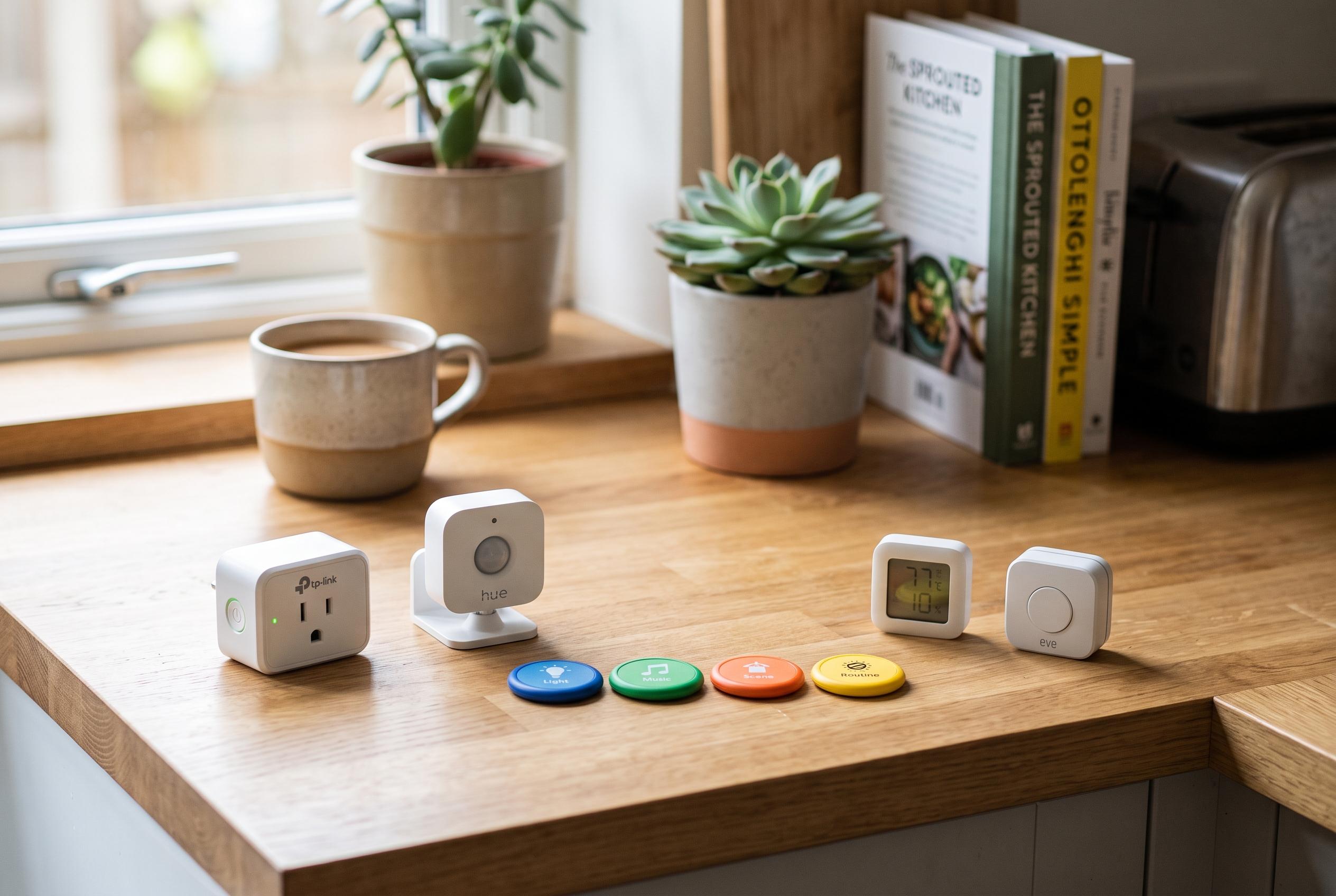

A focus on small, affordable automation tools like timers, motion sensors, and NFC tags offers a practical pathway for non-technical homeowners to enhance convenience and reduce energy waste, without the need for a full smart-home overhaul.
Home automation does not need to begin with a full smart-home overhaul. In a recent Clutterbug post, Cassie McGlone framed the appeal as simple convenience: small, low-cost devices can cut routine work, reduce decision fatigue and handle chores in the background. The approach is aimed at people who are not especially technical and want practical gains without a complex setup.
The basic idea is to automate repeating tasks first. Industry guides from OpsHQ and Reliant describe common entry-level routines such as timed lighting, motion-activated lights and simple scenes that switch devices on or off together. Those systems can improve convenience and, in some cases, reduce wasted electricity by making sure lights, appliances and climate controls are not left running unnecessarily. NexaVT and SmartWattFlow both argue that intelligent temperature control is one of the clearest examples of automation that can pay for itself over time.
The Clutterbug post also points to near-zero-cost tools such as NFC tags, which can trigger phone actions when tapped. That can be useful for setting reminders, opening checklists or launching household routines without needing to navigate menus. For many users, the value is not novelty but consistency: if a task is always started the same way, it is easier to repeat.
Other examples are more specialised but still reveal the same principle. Motion lights can make hallways, cupboards and utility rooms easier to use. Smart plugs can turn ordinary appliances into schedulable devices. For pet owners, an automatic litter box, a cat toy or a tracker may remove some of the most tedious manual tasks. The common thread, as King Controls notes in its overview of smart home routines, is that automation works best when it is built around daily behaviour rather than added as a gimmick.
Disclaimer: This content is intended for informational purposes only. Readers are advised to exercise their own judgement, conduct due diligence, or consult a qualified expert before acting on any information provided.