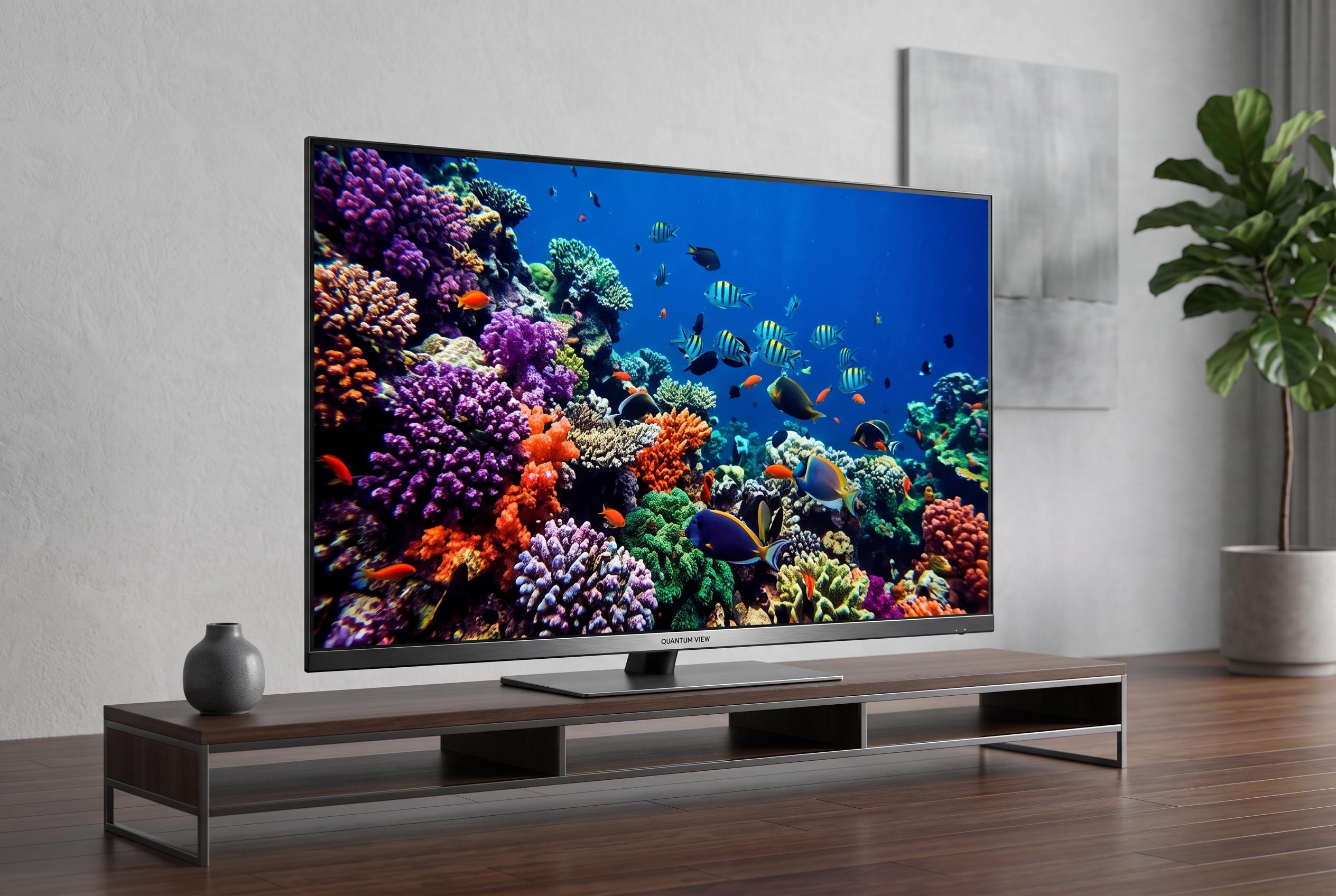

Best Buy is leveraging a new RGB LED TV format, available exclusively through its stores nationwide, aiming to revitalize sluggish sales and appeal to both mainstream and enthusiast buyers. While the technology promises broader colours and brighter images, industry experts remain cautious about its ability to challenge OLED’s dominance.
Best Buy is leaning on a new television format to revive demand in a market that has been sluggish for years. The retailer has begun carrying RGB LED TVs nationwide and says it is the only national chain offering the sets from Samsung, Sony, LG, TCL and Hisense, putting the technology at the centre of its latest push to convince shoppers to replace ageing screens. The strategy rests on the idea that many households are reaching a natural replacement point after five to seven years, when a new feature can help unlock a purchase.
According to Best Buy’s corporate materials, the sets use separate red, green and blue light zones to produce a wider colour range and brighter picture quality, with the company claiming coverage of nearly 76% of colours visible to the human eye. The retailer says the TVs are on display in nearly every store, with sizes from 50 inches to 116 inches, and are also available online. Best Buy says more than 15,000 employees have been trained and certified on the technology.
The company is also using price segmentation to widen the appeal. Best Buy says RGB LED models start at $999 and extend into the premium tier, while the broader market includes ultra-large sets that can reach $30,000. That positions the category as both an upgrade path for mainstream buyers and a showcase product for enthusiasts, a balance that industry analysts say may matter if the technology is to gain traction outside early adopters.
Still, the commercial case is not settled. Analysts quoted by Modern Retail said the format could help Best Buy in higher-priced brackets, where shoppers pay closer attention to picture quality and brightness, especially in bright rooms. But reviewers following the category have said the technology still faces tough comparisons with OLED, which continues to set the standard for contrast and black levels. Some TV testers have also argued that RGB LED’s real-world performance has not yet fully matched the excitement surrounding its launch, suggesting the format may need either lower prices or clearer advantages before it changes the market in a lasting way.
Disclaimer: This content is intended for informational purposes only. Readers are advised to exercise their own judgement, conduct due diligence, or consult a qualified expert before acting on any information provided.