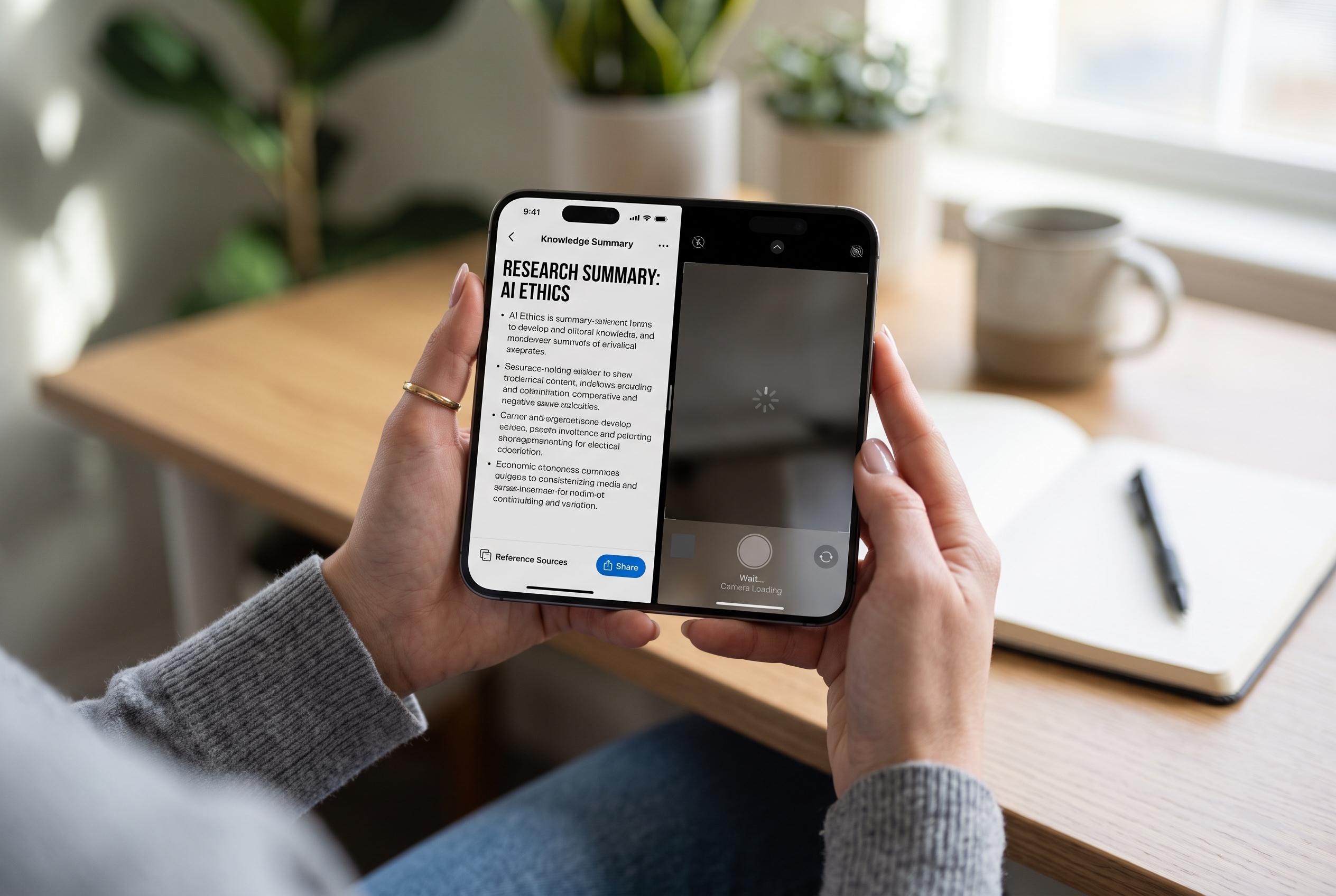

A recent trial of ChatGPT replacing familiar smartphone apps exposes its strengths in knowledge-based tasks while highlighting its shortcomings in system functions and real-time controls, signalling a cautious shift towards AI integration in mobile devices.
TechRadar contributor Becca Caddy tested whether ChatGPT could stand in for 12 familiar smartphone apps and found a clear split between tasks that depend on information and those that rely on live system functions. The exercise suggests that a chatbot can already absorb some everyday jobs, but it still falls short when speed, hardware access or a specialist interface matter most.
The strongest results came in areas where language and knowledge do the heavy lifting. ChatGPT handled calculations accurately, answered weather questions, identified plants from images and offered tailored film suggestions with little trouble. It could also support some language-learning exercises through conversation, showing why AI assistants are increasingly attractive for users who want quick explanations rather than a traditional app interface.
Its weaknesses became obvious with tools built around timing and alerts. Caddy found that stopwatch-style tasks did not translate well into a chatbot, and alarm-style reminders were unreliable compared with a phone’s native clock app. That reflects a broader limitation: ChatGPT can describe what should happen, but it cannot yet act like software that is tightly integrated with a smartphone’s operating system and notification layer.
The same pattern appeared in more interactive tasks. It could mimic word games and discuss the night sky, but the experience was less immediate than dedicated apps. Guided meditation proved particularly poor, with the voice mode struggling to deliver a smooth session. Mapping and food delivery were also uneven, because ChatGPT could suggest routes or restaurants but not provide the real-time, step-by-step control that users expect from those services.
The test underlines a wider industry shift. OpenAI has already brought ChatGPT to iPhone as a mobile app with voice input and synced chat history, while some industry commentary suggests the company ultimately wants the product to play a much larger role, possibly even as a kind of operating system layer. For now, though, the practical conclusion is more modest: ChatGPT is a useful replacement for some information-first apps, but not yet a substitute for the core utilities that make smartphones feel dependable.
Disclaimer: This content is intended for informational purposes only. Readers are advised to exercise their own judgement, conduct due diligence, or consult a qualified expert before acting on any information provided.