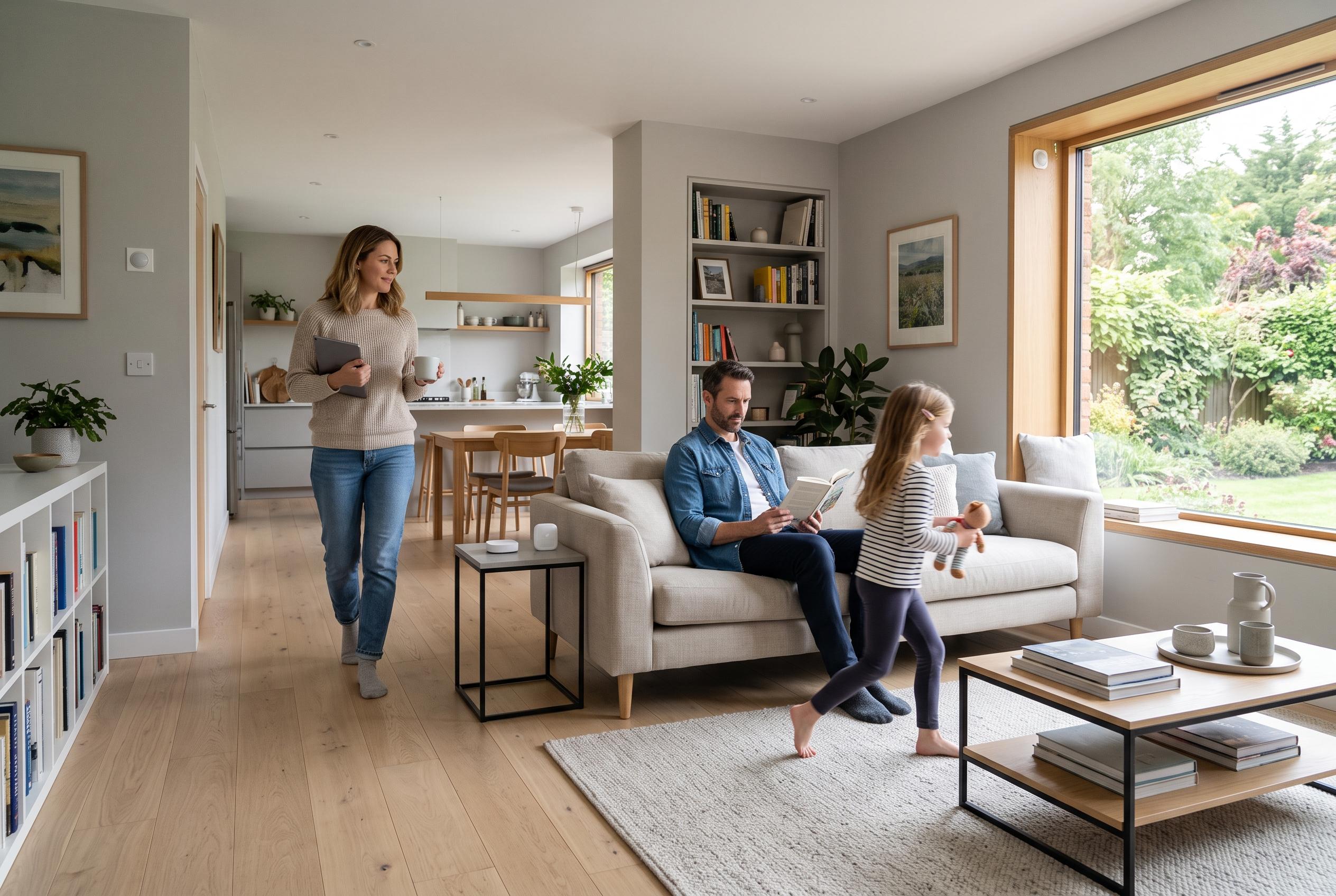

The shift towards practical household management in smart home sensors is accentuated by advances in presence detection, multi-platform compatibility, and strategic placement, transforming home security and automation in 2026.
Smart home sensors are becoming less about novelty and more about practical household management. For families that need quick awareness of doors, windows and movement around the home, they can cut down on repeated checks and provide immediate alerts when something changes. Recent buying guides have placed particular emphasis on two categories: contact sensors for entry points and motion or presence sensors for rooms where activity needs to be tracked more precisely.
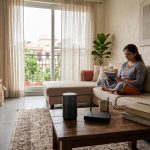
That distinction matters. Contact sensors are best for doors, windows, fridges and cabinets because they simply report whether something is open or closed. Motion sensors are broader but can be less exact, since they react to movement rather than occupancy. More advanced presence sensors, which use technologies such as mmWave radar, can detect when someone is still in a room after motion has stopped. Several 2026 reviews, including guides from Occasionally Crafty, Best Pick Guide and Smart Home Explorer, point to this as the key improvement for lighting control and false-alert reduction.
The strongest models in current round-ups also reflect a shift towards compatibility and ease of use. T3’s April 2026 guide highlighted affordable sensors from Aqara, Meross and IKEA as useful upgrades because they improve automation without adding much complexity. Other 2026 reviews, including Smart Home Muse and Smart Guard HQ, have also stressed multi-platform support, Matter compatibility, local control and battery life as the main factors buyers should weigh before choosing a device.
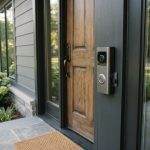
For households focused on safety rather than general automation, the practical buying choice is often simpler. A door or window sensor remains the most direct option for tracking arrivals, exits and access points, while a motion or presence sensor is more suitable for hallways, nurseries and shared living spaces. Guides across the category agree that placement is critical: entryways, garages and other high-traffic areas tend to produce the most useful alerts, while room sensors work best where hands-free lighting or occupancy awareness is the goal.
For parents and carers, the best setup is usually a mix of sensor types rather than a single device. Door alerts can help monitor children or older relatives. Room sensors can reduce unnecessary checks. And systems with app notifications, audible chimes or remote sharing can make it easier for several family members to stay informed at the same time. In practice, the most useful smart home sensors are the ones that match the household routine, not the ones with the longest feature list.
Disclaimer: This content is intended for informational purposes only. Readers are advised to exercise their own judgement, conduct due diligence, or consult a qualified expert before acting on any information provided.