
Cyclists are advised to adopt more careful cleaning practices for e-bikes, focusing on avoiding water damage to sensitive electronic components, with experts emphasising the dangers of high-pressure washers and the importance of drying and sealing key parts.
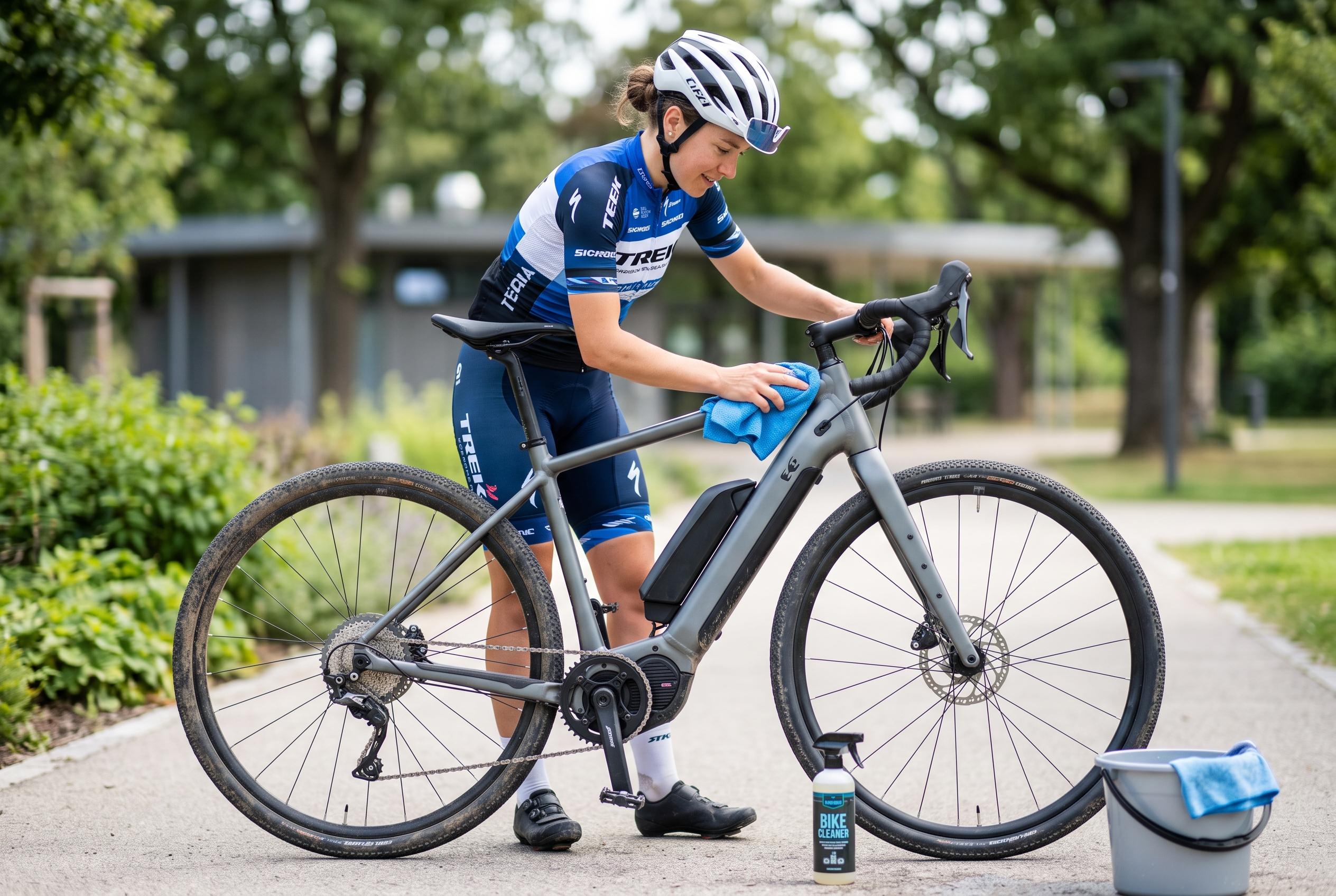
Cleaning an e-bike requires more restraint than washing a conventional bicycle because the battery, motor, display and charging contacts can be damaged by careless water exposure. The safest approach is to switch the system off completely, remove a detachable battery and make sure the charging port is sealed before any cleaning begins, according to Himiway Bike and other maintenance guides.
High-pressure washers are the main risk. Several e-bike cleaning guides advise against them because strong jets can force water past seals and into bearings, connectors and motor housings. A low-pressure hose, a bucket of clean water, a soft sponge and a microfibre cloth are usually enough for the frame, fork, wheels and tyres. Bike-specific cleaner or mild soapy water is preferred over harsh products.
The electronic parts need a different method. The display, handlebar controls, battery mount, wiring and motor casing should be wiped with a damp cloth rather than sprayed directly. If the display can be removed, it should be taken off before washing. If it cannot, it should be left in place and cleaned carefully afterwards. The same principle applies to the charging port and exposed terminals: keep them dry and avoid directing water at seams or connectors.
The drivetrain deserves separate attention because the chain, cassette and derailleur gather grease and grit. Specialist degreaser can be used here, but only with care. Multiple guides warn that cleaner should not reach brake pads or rotors, where contamination can reduce stopping power. After rinsing, the bike should be dried thoroughly, especially around the battery contacts, motor area and cable entries, before the battery is refitted.
Once the bike is dry, the chain should be lubricated again, since washing strips away old lubricant. The battery can then be reinstalled, provided the contacts are completely dry and the unit locks in securely. A final power-up check should confirm that the display, motor assistance, lights and controls are working normally.
Disclaimer: This content is intended for informational purposes only. Readers are advised to exercise their own judgement, conduct due diligence, or consult a qualified expert before acting on any information provided.