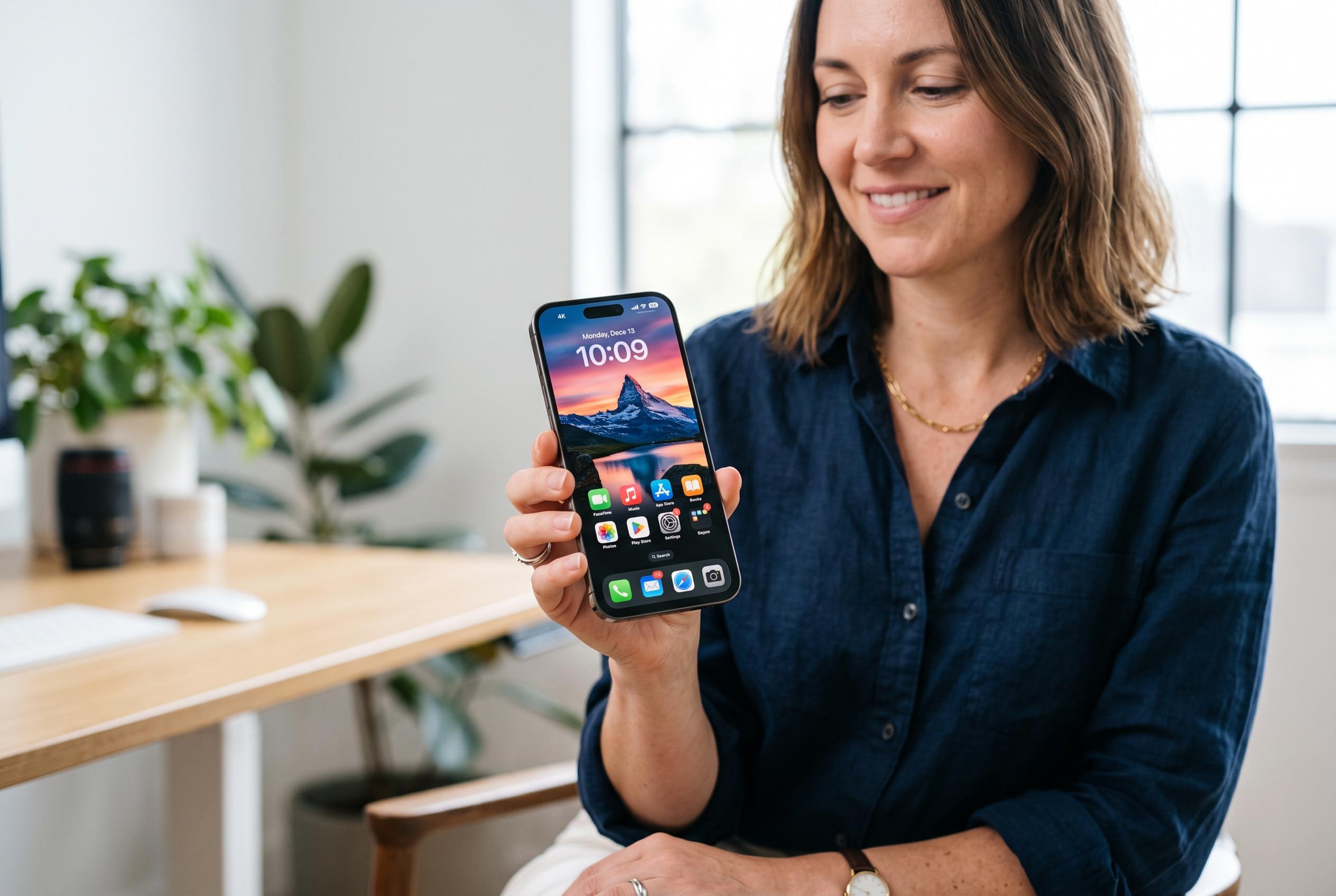

Apple reportedly negotiates lower OLED display prices with Samsung and LG to counteract surging memory component costs in the upcoming iPhone 18, signalling strategic supply chain adjustments amid inflation pressures.
Apple is seeking to blunt the impact of higher memory costs on the iPhone 18 line by forcing savings elsewhere in the bill of materials, according to reports from Macitynet and MacRumors. The clearest sign of that approach is in OLED displays, where Apple is said to have pushed Samsung Display and LG Display towards panel prices of about $66.50 to $70 each, well below the roughly $110 to $120 Apple reportedly paid for the previous generation. That would give Apple a saving of about $42 to $52 per panel, a meaningful offset as component inflation continues to squeeze smartphone margins.
The strategy matters because memory prices are moving sharply higher. Estimates cited in earlier reporting and industry analysis suggest the cost of 12GB of DRAM could rise from about $39 in the iPhone 17 Pro to roughly $145 in the iPhone 18 Pro, while 256GB of NAND flash could increase from about $13 to $51. TechInsights, as reported by The Wall Street Journal, put the iPhone 18 Pro’s total bill of materials at about $726, versus $582 for its predecessor, implying an extra $144 in production cost. On that basis, the display savings would cover a sizeable share of the expected increase, though the figures come from different sources and are not directly comparable.
Apple is not simply trading down to a weaker screen. DealSite, a Korean outlet cited in the reporting, says the iPhone 18 Pro is expected to use LTPO Plus, a more advanced version of the low-temperature polycrystalline oxide display technology already used in current iPhones. MacRumors reported in May that LTPO+ should improve power efficiency and help extend battery life through finer control of OLED operation, while also increasing manufacturing complexity. That means Samsung Display and LG Display could be accepting lower prices even as the technical demands of the panels become greater.
The reported negotiations also suggest Apple has narrowed the usual pricing gap between its two main display suppliers. Macitynet said LG Display has traditionally charged slightly more than Samsung Display for iPhone panels, but that difference may now have almost disappeared. If accurate, the shift underlines how much leverage Apple still has over its supply chain, especially when it is trying to protect profitability in the face of rising memory costs.
Disclaimer: This content is intended for informational purposes only. Readers are advised to exercise their own judgement, conduct due diligence, or consult a qualified expert before acting on any information provided.