
Advanced conference speakerphones are transforming hybrid meetings with improved microphone coverage, noise suppression, and user-focused features, matching device capabilities to specific room sizes and meeting needs.
Conference speakerphones have become a practical answer to one of hybrid work’s most persistent problems: poor meeting audio. A number of 2026 buyer’s guides, including those from Technobezz, Layer3Labs, SpeakerGo, Comstock Interactive Data and Misec, point to the same buying priorities: microphone pickup range, noise cancellation, battery life, platform support and straightforward setup. That consensus reflects a simple reality. Built-in laptop audio still struggles in shared spaces, and a dedicated speakerphone can make small rooms sound far more professional.
Among the strongest options, the Jabra Speak 510 remains a well-regarded all-rounder for individual users and small groups, while the Anker PowerConf is widely recommended for 360-degree coverage in rooms with several participants. SpeakerGo and other 2026 roundups also single out the Yealink SP92 for strong battery life and modern noise cancellation. For buyers focused on value, the EMEET M0 Plus continues to stand out because it combines multi-microphone pickup, Bluetooth and USB-C support and daisy-chain expansion at a relatively low price. Those differences matter because the best device for a home office is rarely the same as the best device for a conference room.
The newer crop of speakerphones also shows how quickly the category is changing. Layer3Labs highlights the Jabra Speak2 55 and Speak2 75 for fuller audio and better handling of speech in smaller meeting rooms, while Comstock Interactive Data says its own 2026 testing across 12 models placed particular weight on full-duplex audio and acoustic echo cancellation. In practical terms, that means a speakerphone should let people talk naturally without clipped audio or obvious lag, while also reducing the hollow sound that often appears in hard-walled rooms. AI-assisted noise suppression is becoming more common too, especially on models aimed at teams that work in busy offices or at home with background noise.
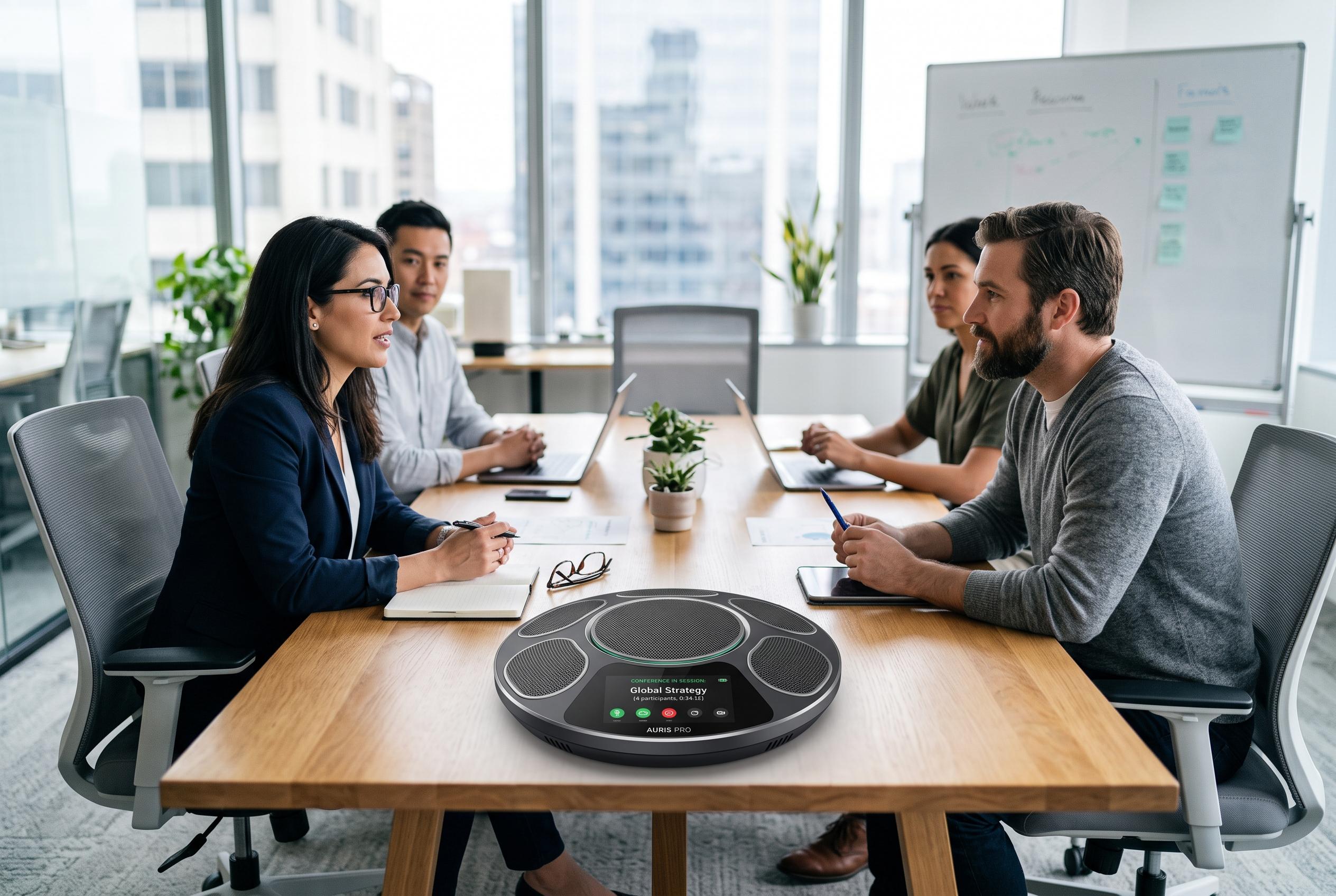
Room size remains the most important buying factor. A compact unit can be ideal for a single user or a two-person desk setup, but it will not cover a 10- or 12-seat table properly. That is why larger-room buyers are increasingly looking at devices with 360-degree microphone arrays, daisy-chain support or expansion microphones. Research from multiple 2026 guides suggests that wide pickup, reliable USB and Bluetooth connections and quick plug-and-play operation matter as much as raw audio quality. For many teams, the best purchase is not the most feature-rich model but the one that matches the room and the way the team actually meets.
In the end, the market has settled into a clear pattern. Jabra, Anker, Yealink, EMEET and related business-focused brands continue to dominate because they balance clarity, compatibility and ease of use. The most useful advice from the 2026 roundups is also the simplest: choose by room size first, then decide whether portability, battery life, certification or smart meeting features matter most. That approach is more reliable than chasing a long spec sheet, and it is usually what separates a merely adequate device from one that improves every call.
Disclaimer: This content is intended for informational purposes only. Readers are advised to exercise their own judgement, conduct due diligence, or consult a qualified expert before acting on any information provided.