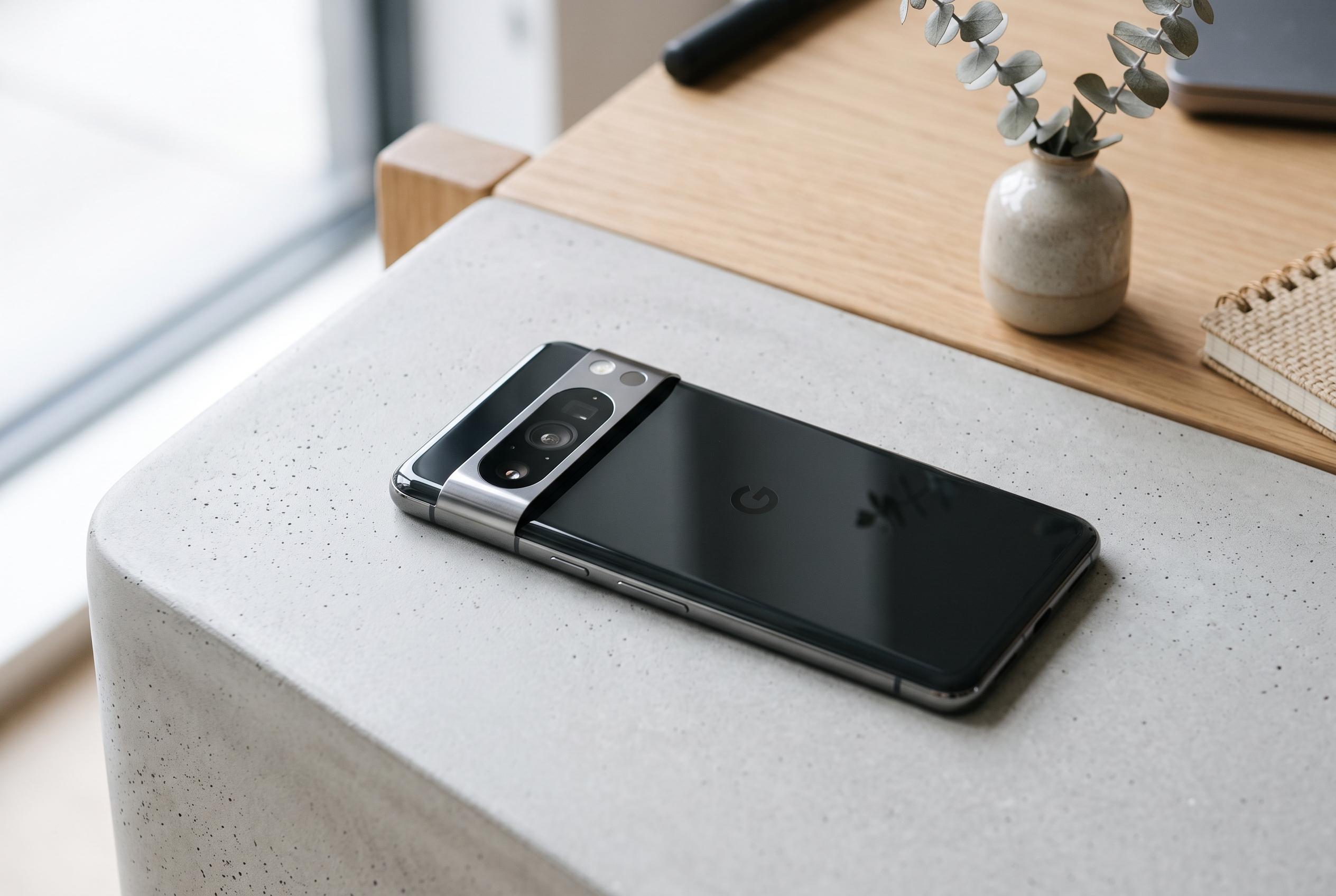

Google’s Pixel series has long thrived on software-led camera features, but with increasing competition and rising Pro prices, experts argue the brand must overhaul its hardware approach to maintain its photography edge.
Google’s Pixel phones have long been defined by dependable photography rather than dramatic hardware shifts, but Android Authority argues that approach is now limiting the brand. Joe Maring writes that the Pixel 11 series continues Google’s habit of refining a familiar camera formula rather than reinventing it, even as rivals push ahead with newer and more ambitious hardware. With Pro models now costing more than $1,000, he says that level of caution is harder to justify.
That complaint fits a wider pattern. Android Authority’s Robert Triggs has traced Google’s camera history back to the original Pixel generation, which relied on a single 12MP rear camera and built its reputation on software-led features such as HDR+, portrait mode and Night Sight. Google did not make a major hardware reset until the Pixel 6 Pro in 2021, when it moved to a 50MP main sensor alongside an ultrawide and a telephoto lens. Since then, the company has made smaller changes, including a 5x telephoto on the Pixel 7 Pro and modest sensor updates on later Pro models.
The Pixel 11 Pro and Pro XL do bring some improvements, according to the Android Authority analysis. Their ultrawide and telephoto sensors are larger, with the telephoto unit seeing the biggest jump in size. That should help with light capture, reduce noise in darker scenes and support Google’s move from 100x to 120x maximum zoom. Even so, Triggs argues that the basic three-camera layout is now overdue for a more serious overhaul.
One of the strongest criticisms in the article is that Google is no longer setting the pace in camera hardware. Triggs points to Chinese flagship phones that increasingly use 200MP telephoto cameras with roughly 3x zoom, a configuration he says can be particularly effective for portraits and also useful for higher-quality cropped zoom shots. He also suggests that Google could benefit from newer sensor technologies such as LOFIC and multi-gain ISO HDR, while making better use of its own Tensor silicon and image processing pipeline to handle more demanding camera data.
The article also makes a more radical case for simplification. Rather than keep adding more lenses, Triggs suggests a future Pixel could work with just two carefully chosen cameras, including a sensor flexible enough to handle both standard wide and ultrawide perspectives. He argues that Google’s real advantage has always been consistency, but says that consistency has now turned into predictability. In his view, the Pixel 12 is the point at which Google needs to move beyond refinement and adopt newer hardware ideas if it wants to reclaim a clear lead in smartphone photography.
Disclaimer: This content is intended for informational purposes only. Readers are advised to exercise their own judgement, conduct due diligence, or consult a qualified expert before acting on any information provided.