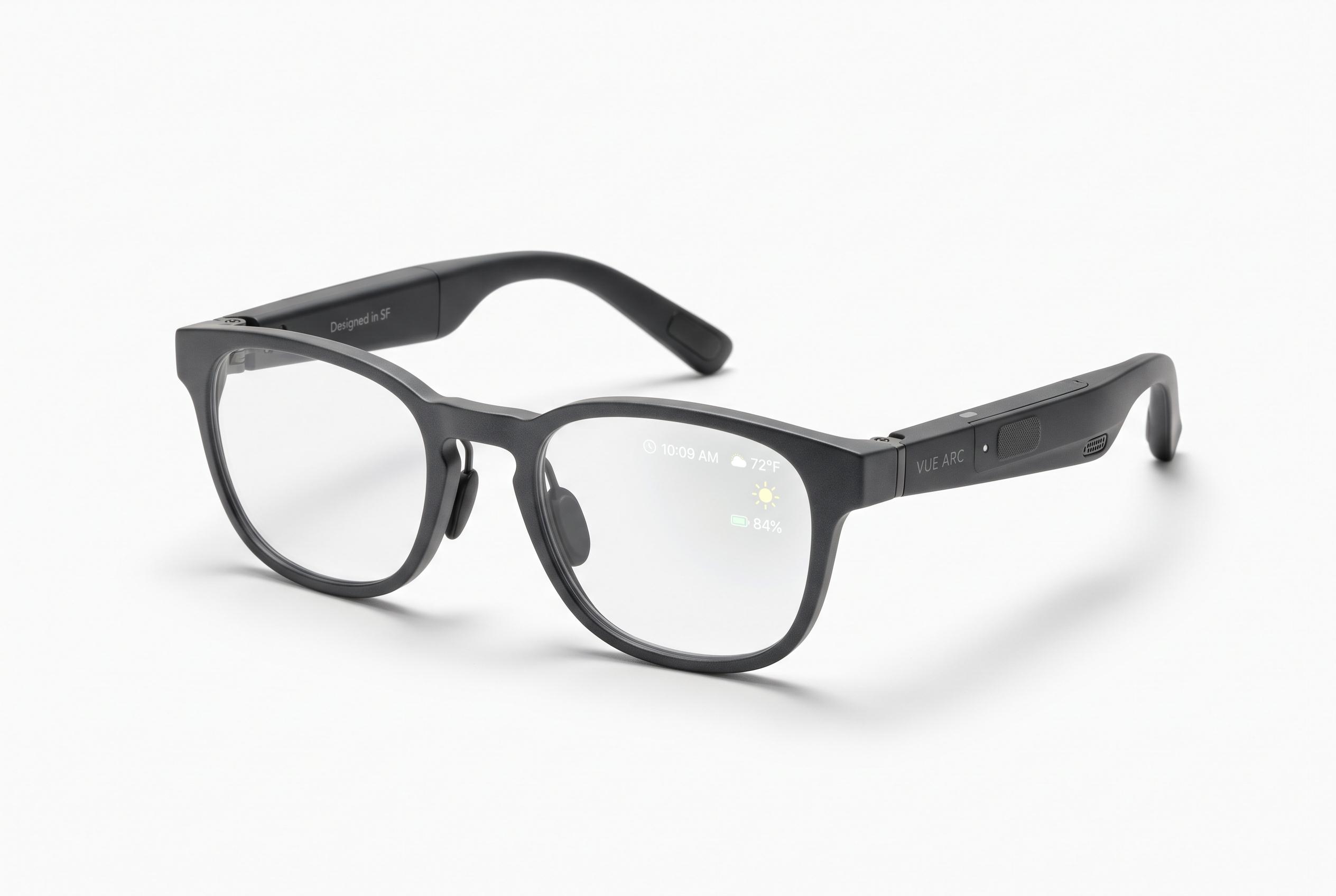

As smart glasses gain popularity across Europe, privacy advocates and regulators urge hardware design changes to prevent covert recordings, signalling a shift towards targeted regulations rather than outright bans.
Smart glasses are coming under sharper scrutiny in Europe as privacy regulators and rights advocates warn that the devices can enable covert recording in streets, shops and workplaces. According to UC Today, Jakub Zientala, founder of the public affairs consultancy Ungovern, said the controversy is unlikely to be solved by a simple ban. Instead, he argued that safeguards should be built into the hardware itself, with recording made more visible and harder to conceal.
The concern has sharpened after questions raised by Hamburg’s data protection authority about the use of smart glasses in public. Zientala told UC Today that European privacy law, including the GDPR, already provides a framework for action, but enforcement is complicated because data protection authorities act at national level while the products are sold across borders. He said consumers can easily buy devices abroad or bring them into Europe when travelling, making a blanket prohibition difficult to police.
That argument is echoed by a wider backlash against always-on consumer devices. TechRadar reported that privacy campaigners are increasingly concerned about smart glasses, AI-connected televisions and recording earbuds that can collect information without meaningful consent from people nearby. Lauren Hendry Parsons of the Mozilla Foundation said the shift from fixed surveillance systems to mobile, fashionable devices makes monitoring harder to notice and easier to normalise, while Div Garg, chief executive of AGI, called for more processing to happen on the device itself so users do not have to hand data to external servers.
The debate is especially acute around Meta’s Ray-Ban smart glasses, which include a recording indicator but still face criticism over whether bystanders can reliably see when filming is under way. A 2026 buying guide from Tom’s Guide named the Ray-Ban Meta Gen 2 among the leading AI glasses on the market, underlining how mainstream the category has become even as privacy concerns persist. TechTarget has also warned that smart glasses can create compliance risks in enterprise settings by exposing confidential conversations, intellectual property and personal data. In Europe, the direction of travel appears to be towards tighter, more targeted rules rather than an outright ban, with the emphasis on design features that make covert recording harder to hide and easier to detect.
Disclaimer: This content is intended for informational purposes only. Readers are advised to exercise their own judgement, conduct due diligence, or consult a qualified expert before acting on any information provided.