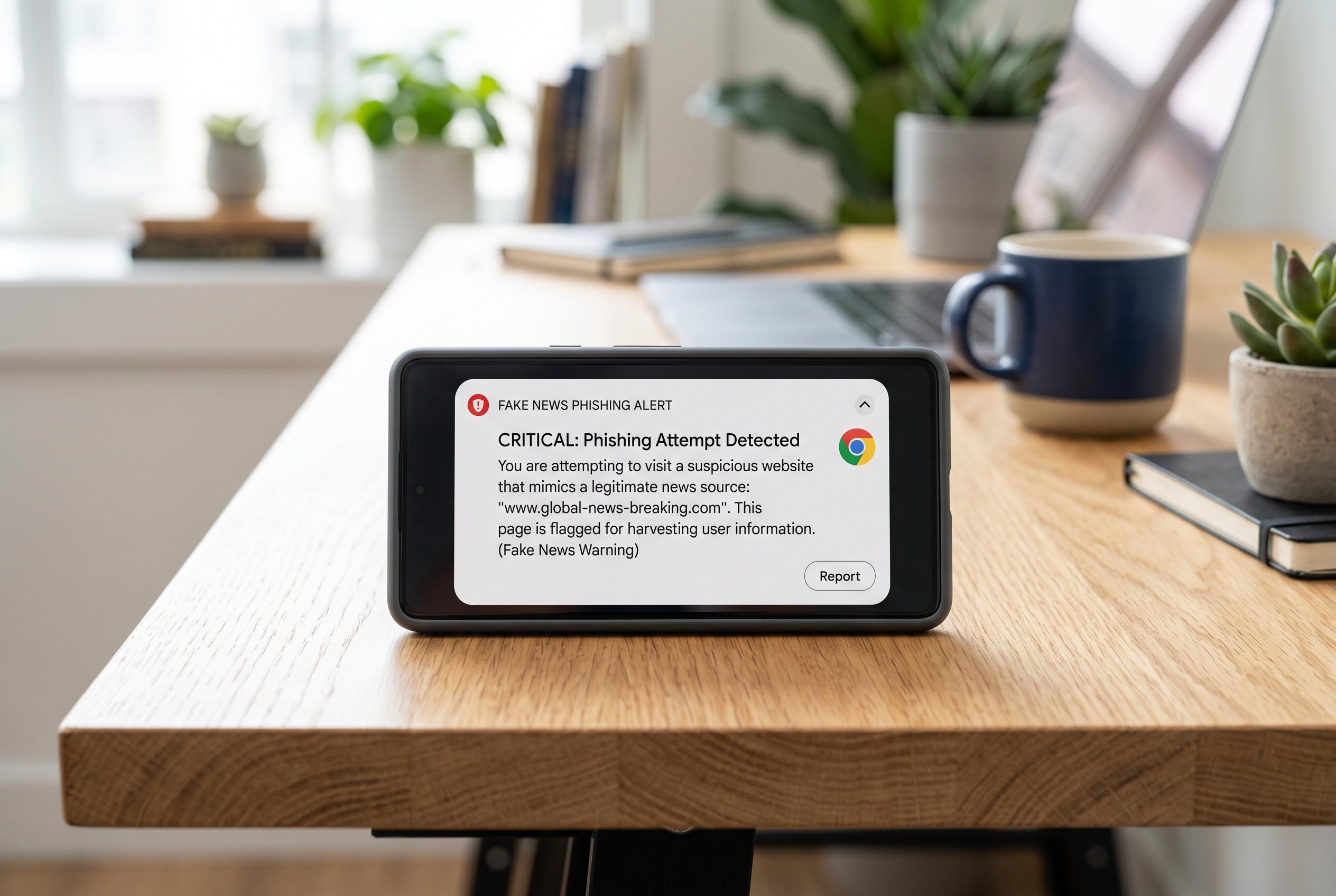

A recent laboratory comparison of 156 smartphones in Hungary uncovers a significant security threat in Xiaomi’s Redmi Note 15 and Redmi 15 models, where pre-installed notifications lead users to fake news sites designed for phishing, raising urgent privacy concerns amid ongoing device evaluations.
A laboratory comparison of 156 smartphones sold in Hungary has flagged what consumer testers describe as an urgent security concern in Xiaomi’s Redmi Note 15 and Redmi 15 models. During the review, notifications from the pre-installed Mi Browser repeatedly appeared and, when opened, led to a page designed to resemble Germany’s Tagesschau news service. Consumer groups involved in the assessment said the page was likely built for phishing, meaning it appeared intended to trick users into revealing data or following a fraudulent offer.
The finding adds a cybersecurity problem to a test that also examined more familiar buying factors such as camera quality, display performance, battery life and speed. According to the consumer organisation behind the review, the point of the exercise was not only to compare hardware but also to account for repairability, unwanted advertising and software-related privacy risks, which it said are often left out of standard product labels.
German media reports on the same issue said the fake page promoted a dubious investment scheme and that the problem was first uncovered in testing of the Redmi 15. Xiaomi said the content shown through Mi Browser notifications comes from third-party providers that vary by region and that it had launched an internal investigation. The company did not say whether the problem had been fixed or how many devices might have been affected.
Consumer testers advised Redmi Note 15 and Redmi 15 owners to switch off Mi Browser notifications in the phone’s settings, remove the browser if they do not use it and set a different browser as the default app for opening web pages. They also said users who do not want Xiaomi’s browser should be able to disable or uninstall it, reducing the chance of being sent to suspicious sites through system notifications.
The warning comes as the European Union has introduced a common information label for newly sold phones and tablets, covering battery performance, durability and repairability. But the label does not address charging time, camera quality or everyday security risks, leaving a gap that the latest comparison aims to fill. The testers argued that a phone’s real long-term cost is shaped not only by the purchase price but also by how long it remains safe, reliable and economical to repair.
Disclaimer: This content is intended for informational purposes only. Readers are advised to exercise their own judgement, conduct due diligence, or consult a qualified expert before acting on any information provided.