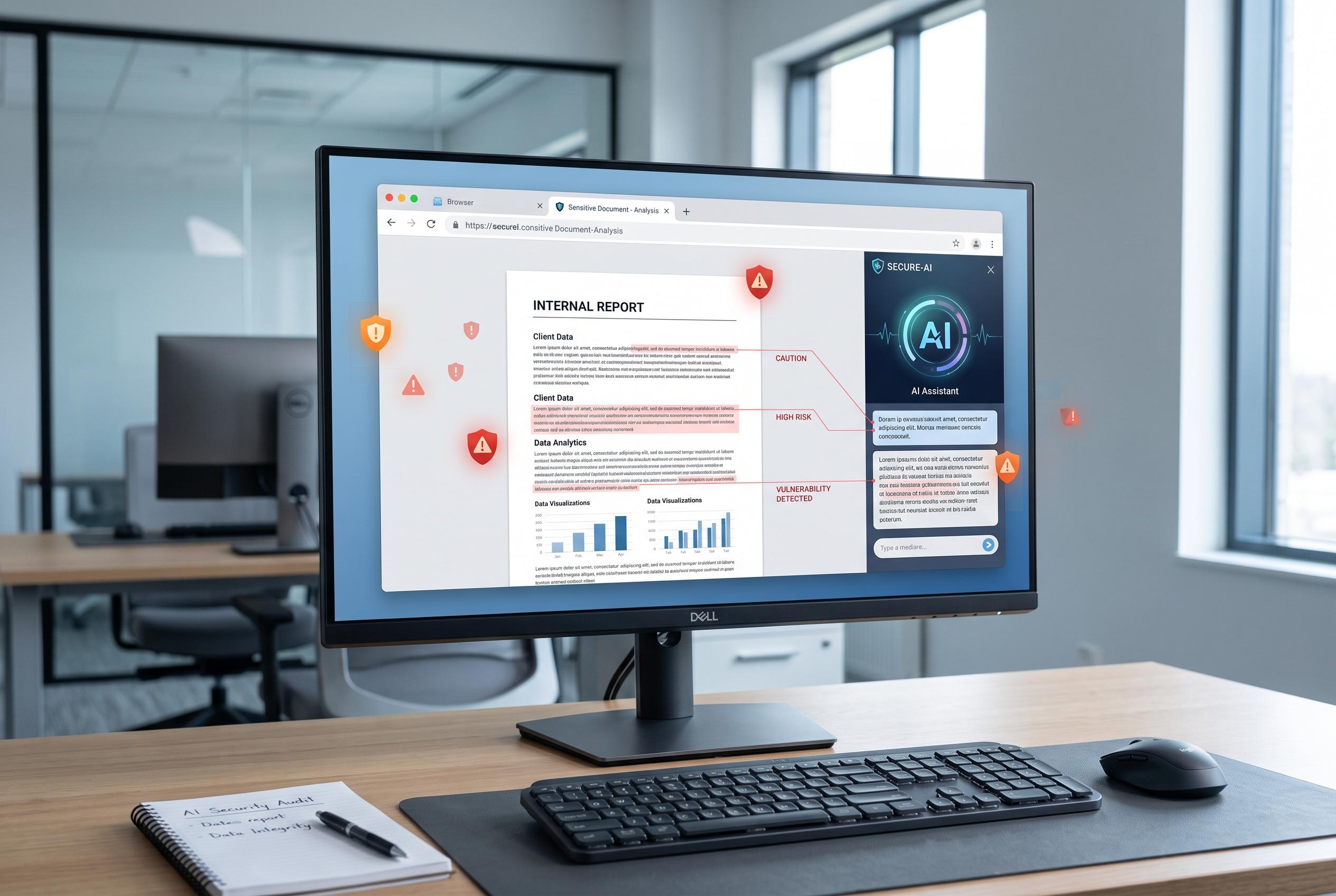

Anthropic has rolled out a new Chrome extension for its AI assistant, Claude, enabling it to interact directly with browser tabs; however, security experts warn of significant vulnerabilities associated with giving AI this level of control.
Anthropic has expanded Claude in Chrome, an extension that lets its assistant see the page a user is viewing and act on it directly. According to the company’s support material and product page, the system can click links, enter text, complete forms and move between tabs, turning the browser into a workspace rather than a passive display.
The practical use case Anthropic highlights is office work that normally involves copy-and-paste across multiple sites. In one example, Claude gathers invoice data from separate pages, extracts dates and amounts and assembles them into a spreadsheet. The browser session can then be continued in Claude Desktop, where a user may add local files or compare results with an earlier budget.
Anthropic has also tied the browser extension to broader workflow features. Its documentation says users can begin tasks from the Chrome side panel or through Claude Cowork and Claude Code, then move from coding in the terminal to verification in the browser. The product page also describes options such as workflow recording, scheduled tasks, multi-tab management and an “ask before acting” safety mode.
Access is being rolled out in stages. Anthropic says the feature is available to Max and Team subscribers, with Pro accounts due over the coming weeks, while enterprise administrators must enable it and can restrict it by domain. That control matters because security researchers cited by TechRadar said they found serious flaws in version 1.0.80, including a way to trigger approved workflows and a separate prompt-bypass issue that had not been fixed at the time of publication, underlining the risks of giving an assistant direct control of browser actions.
Disclaimer: This content is intended for informational purposes only. Readers are advised to exercise their own judgement, conduct due diligence, or consult a qualified expert before acting on any information provided.