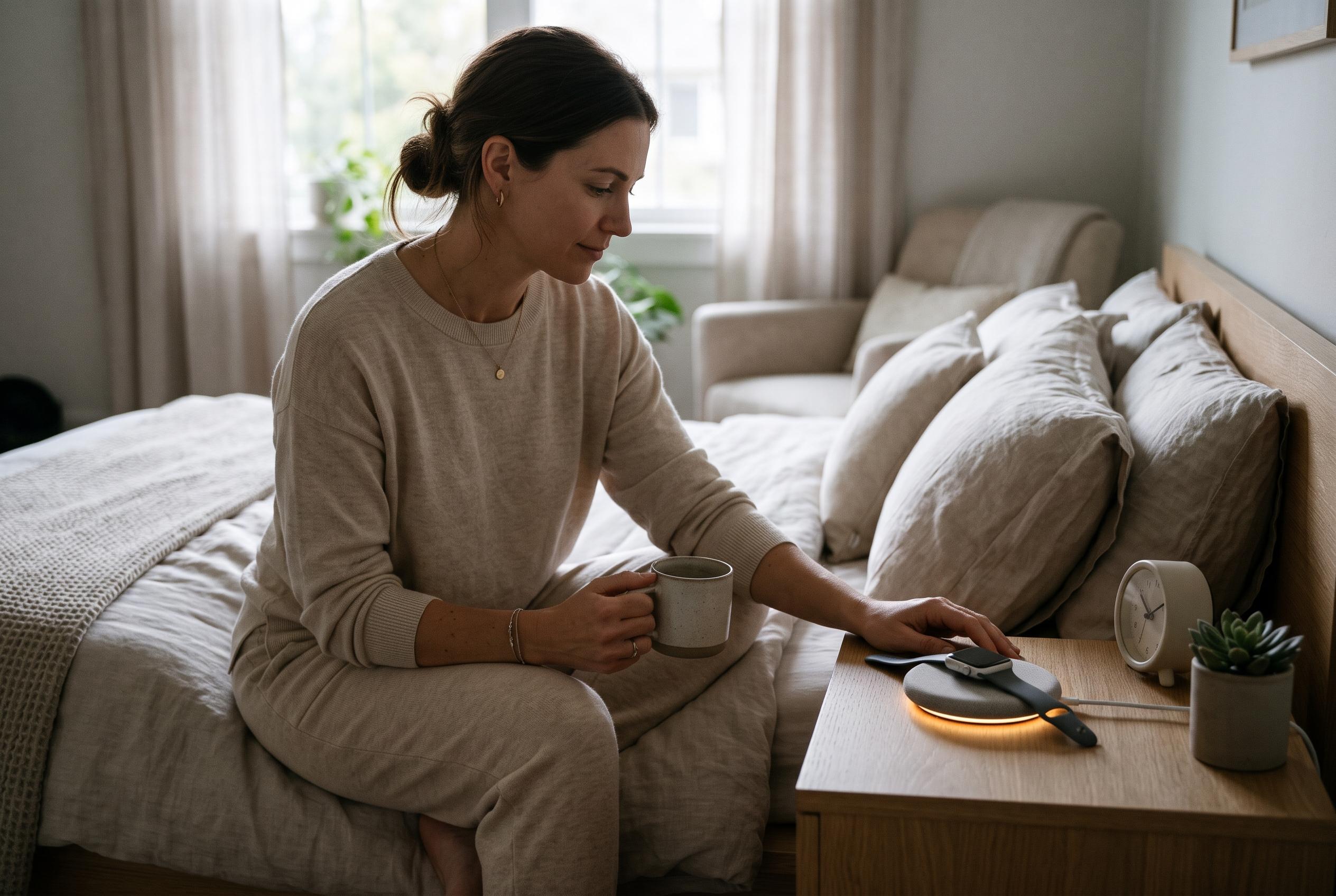

Apple’s latest smartwatch pairs faster charging and more frequent health monitoring with useful daily guidance, although its data history and some smart features still need refinement.
Apple’s latest smartwatch arrives with a clearer ambition than many previous models: to be more useful as a health tool without becoming harder to live with. In a hands-on review, Pokde said the Apple Watch Series 12 feels like the first version that simultaneously meets its standard for battery life, charging speed and health monitoring, even if the device still needs longer on-wrist testing before its durability claims can be fully judged. Apple says the model centres on a redesigned Health Sensing System, the S11 chip and watchOS 27, with a stronger emphasis on frequent heart-rate sampling and new daily guidance through its Readiness score.
The review highlights a familiar Apple formula: incremental design changes, but meaningful gains where they matter in daily use. The aluminium version uses Ceramic Shield 2, while titanium and ceramic finishes remain available, and Apple continues to offer 42mm and 46mm cases with GPS or GPS + Cellular variants. According to Apple’s specifications, the watch retains the same broad battery targets as a maximum of 24 hours in normal use, up to 38 hours in Low Power Mode and up to 10 hours of workout tracking, while fast charging can take it to about 80 per cent in around 30 minutes.
In practice, Pokde found the headline improvement to be charging. The reviewer said a 20-minute top-up was enough to restore the watch to a level that comfortably lasted through the rest of the day, and that even heavier use still produced more than 40 hours between charges in one test. The same report also noted that the watch can run warm while charging, with the system occasionally pausing to manage temperature. Apple does not foreground that caveat in its launch material, but it does sit alongside the company’s promise of faster replenishment.
Health features are where Apple appears to have sharpened the product most aggressively. Apple says the new sensing system is designed for more accurate heart-rate monitoring, with readings taken every five seconds, and the Readiness feature combines activity, training load, vitals and sleep score into a daily measure of how prepared the wearer may be for exertion. Pokde said that combination is genuinely useful in real-world use, especially when paired with more frequent alerts for elevated heart rate and better day-to-day visibility into sleep and vitals trends.
The review was less impressed by Apple’s data history design. On the watch itself, heart-rate and battery graphs still focus on the current day, which makes longer-term pattern spotting awkward unless the user turns to the iPhone. Pokde argued that this is a missed opportunity, especially for a device that is increasingly positioned as an always-on health companion. The review also criticised Sound Recognition for requiring iPhone-based setup and for producing false doorbell alerts, while saying a wake gesture for the display would improve usability at night and when one hand is occupied. Even so, the overall verdict was strongly positive, with the watch judged to be a major step forward in everyday convenience rather than a radical redesign.
Disclaimer: This content is intended for informational purposes only. Readers are advised to exercise their own judgement, conduct due diligence, or consult a qualified expert before acting on any information provided.