
Apple’s new Readiness feature simplifies health data into daily verdicts but omits the specific thresholds that determine each recommendation, raising questions about its transparency and reliability.
Apple’s new Readiness feature on the Apple Watch Series 12 and Apple Watch Ultra 4 is designed to turn health data into a simple daily verdict, but the company has left out the detail most users will want: the exact point at which a score becomes Recover, Pace Yourself, Ready or Go For It. Apple says the feature produces a number from 0 to 10 and updates through the day, yet it has not published the thresholds that link each score to one of the four recommendations.
According to Apple’s announcement, Readiness is built from recent activity, training load, vitals and sleep, and it is intended to help people judge how to approach the day. The company says the scoring model was developed using data from the Apple Heart and Movement Study, alongside work by Apple’s exercise scientists and physicians. That gives the feature a stronger research basis than a simple rule-of-thumb summary, but Apple has still not explained how much each input matters, or whether the score is rounded to a whole number or shown more precisely.
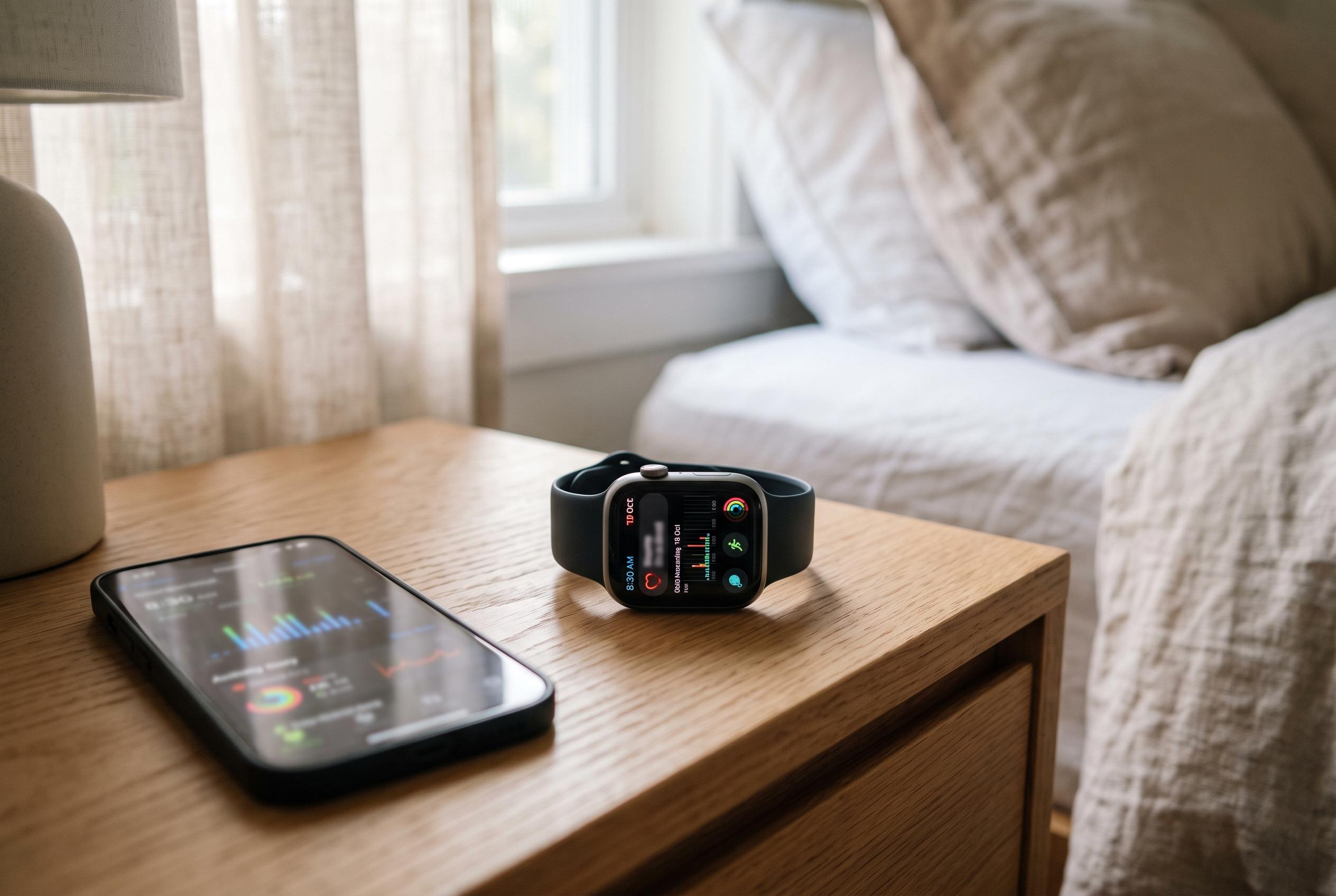
The feature sits alongside the broader health refresh in watchOS 27 and the redesigned Health app on iPhone. On the watch, Apple lists Readiness as a new app for the two latest models. In the phone software, it appears as one of several summaries in the updated Insights area. Apple says the Health app update arrives later this year and will begin in US English, with support tied to devices that can run Apple Intelligence.
That omission matters because Readiness is presented as guidance, not diagnosis. Apple has not claimed regulatory clearance for the feature itself, and a low score paired with Recover should not be read as a medical finding. The company’s own framing is closer to workload management: a way to decide whether the day should be treated as a recovery period, a normal training day, or a day to push harder.
The new watches also bring more frequent health sensing. In its separate announcement for Apple Watch Ultra 4, Apple says the device adds new optical and electrical heart sensors as part of a Health Sensing System that measures heart rate every five seconds. Apple says that system improves heart-rate accuracy and feeds richer physiological data into the watch’s health features. That makes Readiness part of a broader push to make the Apple Watch more responsive to short-term changes in the body, rather than simply a device for long-term trend tracking.
For now, the central unanswered question remains the same: what score triggers each verdict? Apple has published the scale, the labels and the inputs, but not the logic that connects them. Until that changes, Readiness is best understood as a polished summary of health data, not a transparent scoring model.
Disclaimer: This content is intended for informational purposes only. Readers are advised to exercise their own judgement, conduct due diligence, or consult a qualified expert before acting on any information provided.