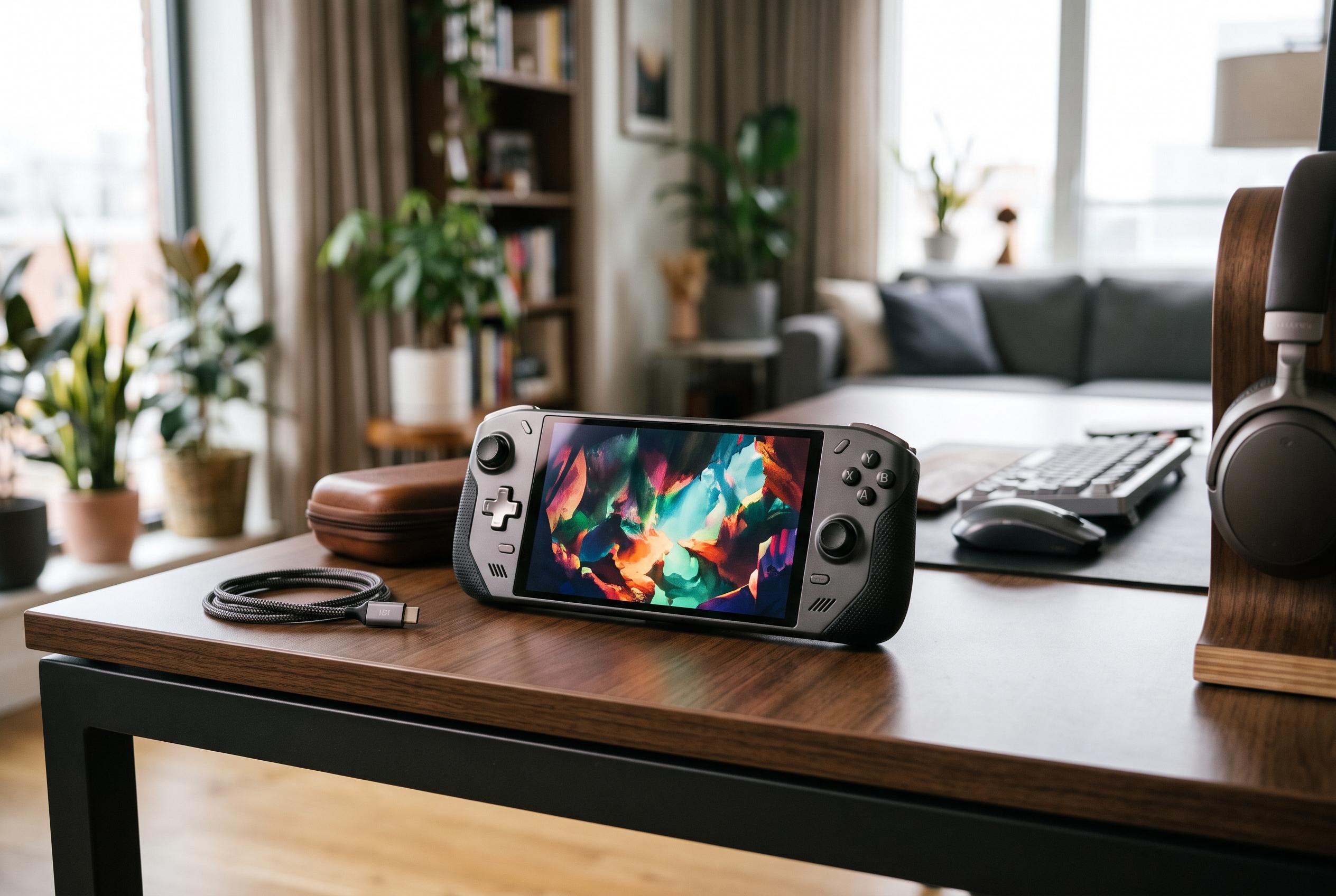

ASUS’s anniversary handheld has sold out alongside a $2,499 accessory bundle, despite offering little performance improvement over the cheaper Ally X and remaining listed on the company’s US store.
ASUS’s ROG Xbox Ally X20 has arrived as one of the clearest examples yet of premium handheld gaming pricing finding a ceiling. The device went on sale on 15 October 2026, starting at $1,299 for the standalone model and $2,499 for a bundle of accessories, and Windows Central reported that both had sold out within days. Yet ASUS still lists the handheld at $1,299.99 on its US store, leaving the launch caught between official availability and a retail market that appears to have been emptied by early demand.
The X20 is the 20th-anniversary model in ASUS Republic of Gamers’ handheld line and was unveiled after a long runway that began with pre-orders on 25 August 2026. ASUS says it is not replacing the existing ROG Xbox Ally or the Ally X, which remain on sale at $599 and $999 respectively. That positioning matters: the X20 sits above the current range rather than superseding it, creating a three-tier ladder that gives ASUS a clearer premium option without forcing the rest of the series down in price.
Hardware, rather than raw speed, is the main reason for the higher tag. ASUS says the X20 uses a 7.4-inch ROG Nebula HDR OLED display and is powered by AMD’s Ryzen AI Z2 Extreme processor. The company has also highlighted the anti-reflection coating and fast response time as part of the screen story. Tom’s Hardware said the device’s performance is broadly unchanged from the Ally X, suggesting the upgrade is aimed less at frame rates and more at display quality, ergonomics and build.
That makes the launch pricing easier to understand, even if it remains steep. Tom’s Hardware reported that the X20 costs $300 more than the earlier Ally X, and the official ASUS store shows the standalone unit at $1,299.99. In Canada, the handheld is listed at C$1,899, with a C$3,499 bundle, underlining that ASUS is treating the X20 as a luxury-tier variant rather than a mainstream refresh. For buyers comparing it with the original Ally line, the question is not whether the X20 is faster, but whether its screen and overall presentation justify the premium.
The bundle, which includes ROG XREAL R1 Edition 20 AR glasses and accessories from dbrand and Pelican, was the surprise of the launch. On paper it adds substantial cost for items many buyers may not want, yet Windows Central reported that it disappeared from stock alongside the handheld itself. That suggests the appeal was not limited to practical buyers seeking the cheapest route in, but also included collectors drawn to a limited-edition release and customers willing to pay for the complete package.
Scarcity, however, should be treated with caution. ASUS has not released production numbers or a restock schedule, so there is no way to know how many units were available at launch or whether the sell-out reflects a genuinely broad surge in demand. The clearest reading is that supply was tight and retailers ran out faster than expected. The live listing on ASUS’s own site, and regional reports of varying availability, show how limited runs can look simultaneously sold out and still officially available.
The software angle has also shifted the value equation. ASUS recently began previewing AMD FSR 4.1 support for the ROG Xbox Ally X and the X20, which could improve image quality on the cheaper Ally X without extra hardware cost. That leaves the X20’s case resting even more heavily on its OLED panel and premium finish. For buyers focused primarily on performance per dollar, the Ally X remains the more rational purchase. For those who want the best display in ASUS’s current handheld line, the X20 is the flagship answer.
Disclaimer: This content is intended for informational purposes only. Readers are advised to exercise their own judgement, conduct due diligence, or consult a qualified expert before acting on any information provided.