
As K-pop fans turn smartphones into tools for capturing and sharing concert footage, manufacturers are introducing specialised camera features, reshaping the market beyond mere hardware specs.
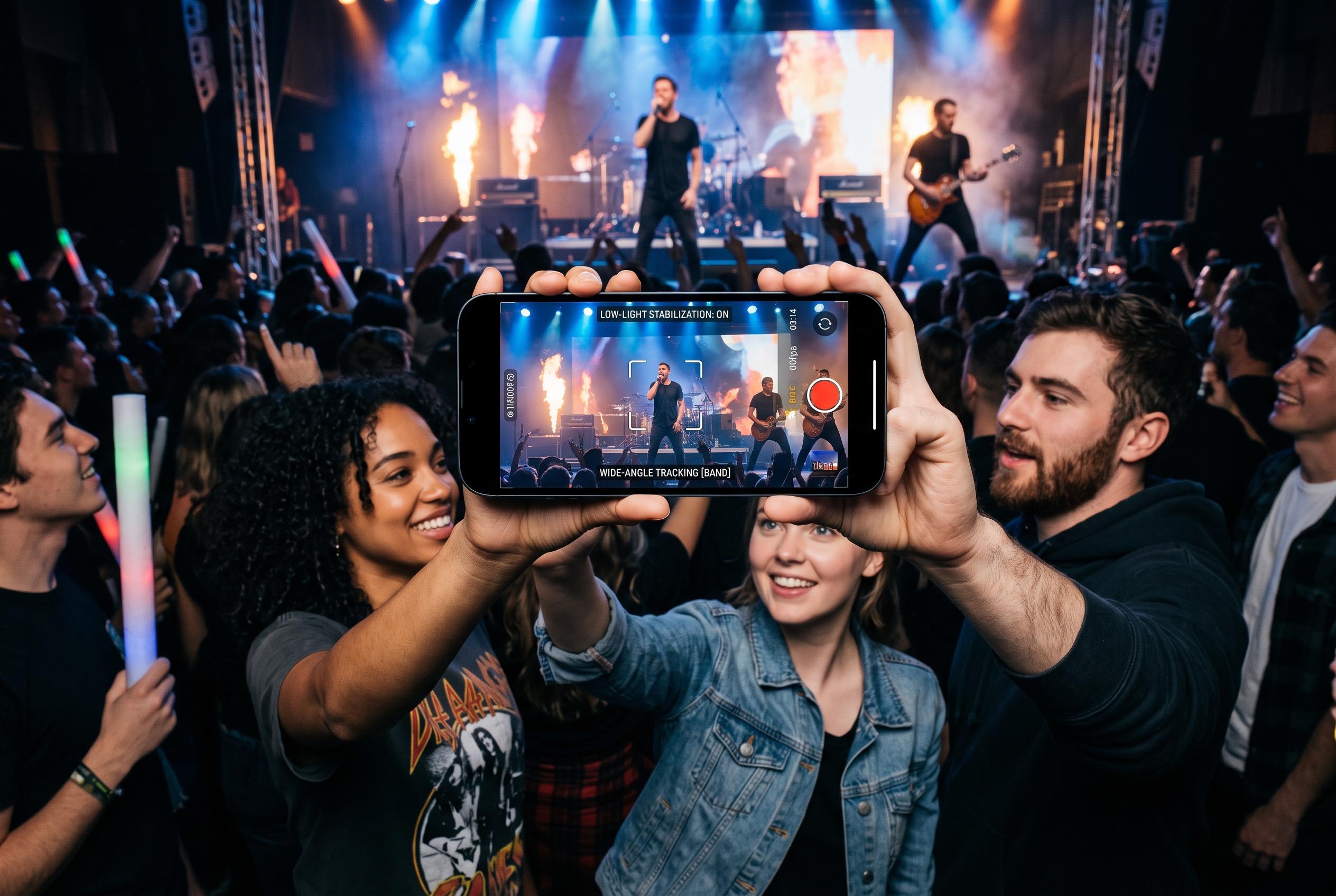
As K-pop fandom has turned concert footage into a form of social currency, smartphone buyers are increasingly judging devices by how well they handle live performance video. At venues where large cameras are often barred, the phone has become the main recording tool for fans who want sharp close-ups, stable video and quick edits they can share online. That shift is helping high-end handsets gain a new selling point: not just better cameras, but cameras tuned for the concert crowd.
Samsung remains the most established name in that space. The Galaxy S26 Ultra is being positioned around a 200-megapixel main sensor, stronger low-light performance and improved zoom for distant subjects, according to Tom’s Guide. The site also says the phone’s video tools include features aimed at steady handheld recording in crowded venues, while the wider camera aperture is designed to admit more light in dim conditions. PhoneArena has likewise reported that the newer model widens the main camera aperture from f/1.7 to f/1.4, a change that should improve night performance in theory.
Vivo is emerging as a serious challenger in the same niche. Gizmochina said the X200 Ultra pairs Zeiss optics with a 50-megapixel main sensor, a 50-megapixel ultra-wide camera and lens coatings intended to reduce glare. The handset is also known for its 2억-zoom-class telephoto hardware and add-on photography kit, which have helped it build a reputation as a phone for long-distance concert shooting. Even without an official launch in every market, interest has spread through imports, resale channels and short-term rental services.
Search data appears to reflect that momentum. The Korean market has seen a sharp rise in queries for Vivo Ultra models, suggesting that concertgoers are actively researching phones for a specific use case rather than treating camera quality as a generic spec-sheet feature. On social platforms and community forums, users now exchange recommended models, zoom settings and filming tips in much the same way they once discussed music or styling.
Manufacturers are responding by moving beyond raw hardware numbers. Samsung’s latest foldables include a My FanCam feature that automatically tracks a selected performer in recorded footage, turning a crowded multi-person video into a fan-focused clip. Tom’s Guide has described related live-event tools as useful for keeping the stage in view without constant manual reframing. That kind of automation matters because the competition is no longer just about how many pixels a phone packs in; it is about how quickly it can turn a shaky clip into something post-ready.
The broader point is that fandom is now shaping product design. For a growing number of buyers, a smartphone is not only a communications device or a status symbol. It is a practical concert tool, a post-production aid and, increasingly, a way to participate in the culture around a favourite artist. In that market, the best camera phone is becoming as important as the loudest light stick.
Disclaimer: This content is intended for informational purposes only. Readers are advised to exercise their own judgement, conduct due diligence, or consult a qualified expert before acting on any information provided.