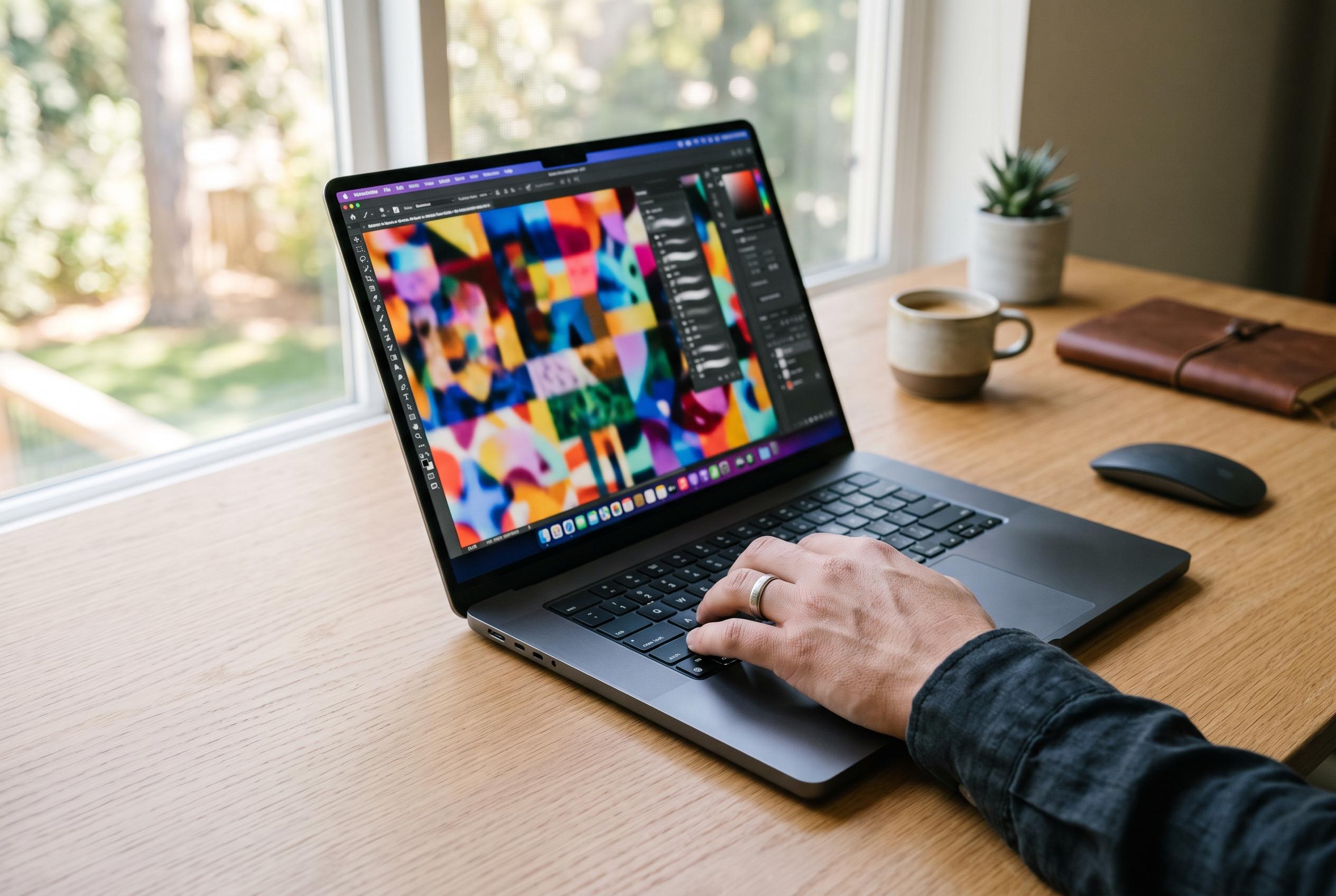

Dell’s new flagship XPS laptop targets MacBook Pro users with RTX Spark graphics, up to 128GB of memory and a 3.2K OLED screen, but prices rise to $4,799.99 in the US.
Dell has added a new flagship to its XPS line with the XPS 16 Creator Edition, a large-format notebook aimed at creators and power users who want workstation-level hardware in a portable chassis. According to Dell’s product pages, the machine is being sold as a premium Windows alternative to Apple’s MacBook Pro, with a focus on graphics performance, high memory capacity and a bright OLED display.
The headline specification is Nvidia’s RTX Spark N1X platform, which Dell is offering in 18-core and 20-core versions. The entry configuration pairs the 18-core chip with a 5,120-core GPU, 32GB of LPDDR5X memory and a 512GB SSD. Dell also lists a 20-core model with a 6,144-core GPU, 1TB of storage and the option to scale memory to 64GB or 128GB. The most heavily specified version is priced at $3,799.99 in the US, while the 20-core, 128GB configuration reaches $4,799.99 on Dell’s site.
The display is another major selling point. Dell says the XPS 16 Creator Edition uses a 16-inch 3.2K touchscreen OLED panel with a variable refresh rate from 30Hz to 120Hz. The screen can reach 400 nits in SDR mode and 1,600 nits in HDR, making it more ambitious than a standard productivity panel and better suited to colour-sensitive work, media editing and AI-assisted creative tasks. The laptop also includes a 99Wh battery and ships with Windows 11 Home.
In Europe, the model has appeared on Dell’s German site with higher local prices than the US listings, starting at €4,419 for the base version. That configuration includes 32GB of memory and 512GB of storage, while the 20-core model starts at €5,228 with 32GB and 1TB. Dell also lists a 64GB variant and a top-end 128GB version priced at €7,370. The launch places Dell in a growing group of PC makers trying to position high-end Windows laptops as direct rivals to Apple’s MacBook Pro, particularly for users who need strong graphics and large memory pools rather than thin-and-light portability alone.
Disclaimer: This content is intended for informational purposes only. Readers are advised to exercise their own judgement, conduct due diligence, or consult a qualified expert before acting on any information provided.