
A leaked benchmark suggests Dell is nearing a premium Chromebook-style laptop under its XPS brand, potentially running Google’s emerging desktop-first operating system, in a move that could disrupt its traditional Windows focus.
Dell appears to be edging closer to a first Chromebook-style laptop under its XPS brand, according to a fresh benchmark trail highlighted by Chrome Unboxed and picked up by Digital Trends. The device is said to sit within Google’s next laptop platform, with Lenovo and Asus already linked to the effort. The leak points to a premium Dell machine rather than a low-cost model, which would make any move to pair XPS with Google’s desktop software a notable shift for a line long associated with Windows.
The trail began with an internal board name, “Mica”, appearing in Chromium’s development pipeline. Researchers at GBookHub reportedly connected that board to Qualcomm’s “Bluey” architecture, which is being built for Snapdragon X-series Googlebooks. They then found power-management and battery-health scripts that closely resembled Dell’s own firmware structure, strengthening the case that the hardware in question came from Dell rather than another PC maker.
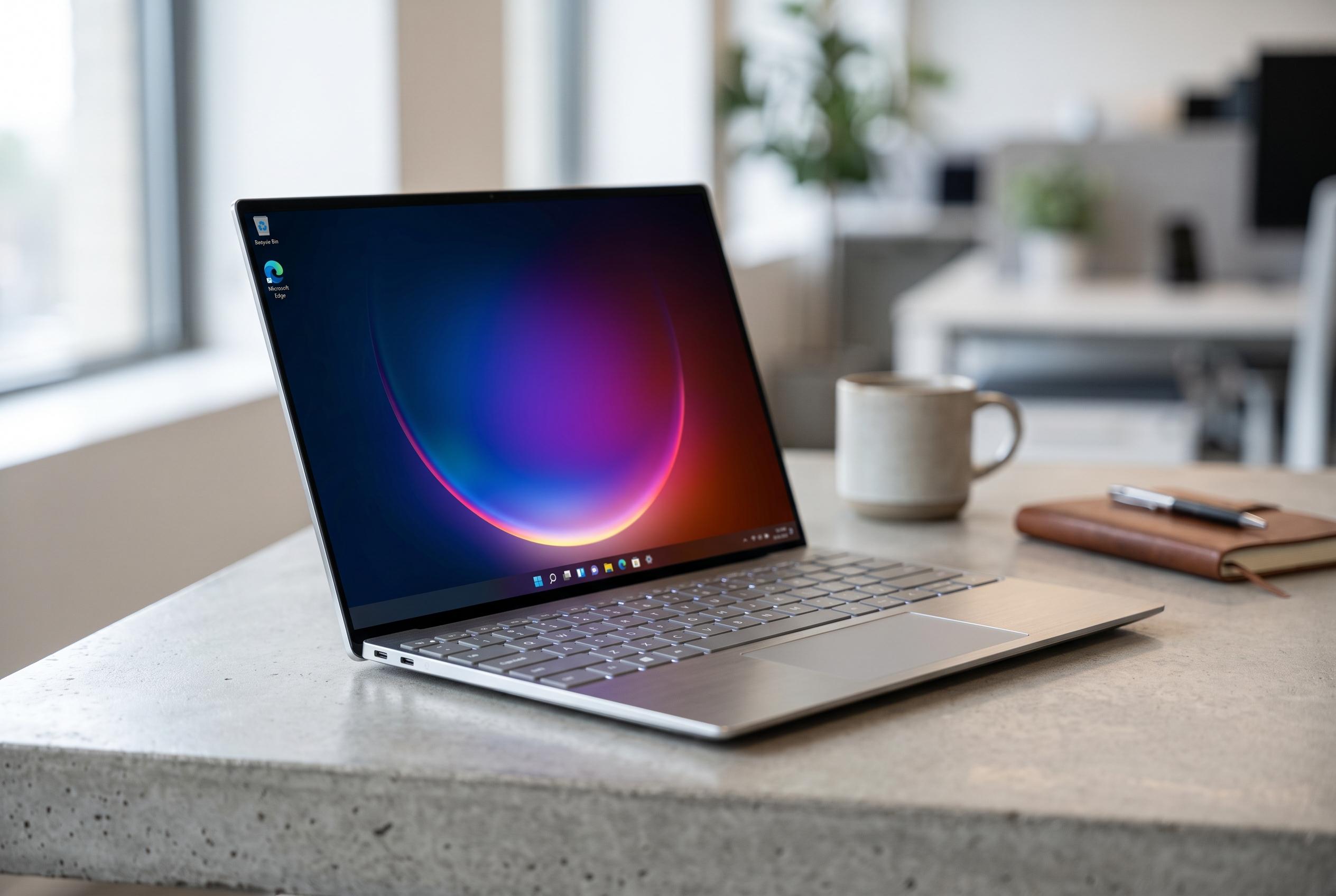
The clearest sign was a Geekbench 6 listing for “Dell XPS 13 (DX13267)”. That model number sits close to Dell’s existing Windows XPS 13, the DX13260, suggesting a familiar 13-inch metal chassis. The software strings attached to the benchmark also referenced an Android 17 desktop build, which ties into reports that Google’s “Aluminum OS” is built on that base. In practical terms, that would place the device in Google’s emerging desktop-first operating system category rather than in the standard Chromebook lane.
If the leak is accurate, the machine could use Qualcomm’s Snapdragon X Elite rather than the newer X2 Elite chips that Qualcomm has since unveiled. Dell already sells Snapdragon X Elite versions of the XPS 13, with configurations including 16GB or 32GB of memory, a 13.4-inch display and up to 1TB of storage. The benchmarked Googlebook version is rumoured to add a 2,880 x 1,800 OLED touchscreen, Wi-Fi 7, dual USB-C ports and Google-specific features such as a lid-mounted Glow Bar and biometric security. Early Geekbench scores were strong, but they were also produced on pre-release software, so they are best treated as indicative rather than definitive.
Disclaimer: This content is intended for informational purposes only. Readers are advised to exercise their own judgement, conduct due diligence, or consult a qualified expert before acting on any information provided.