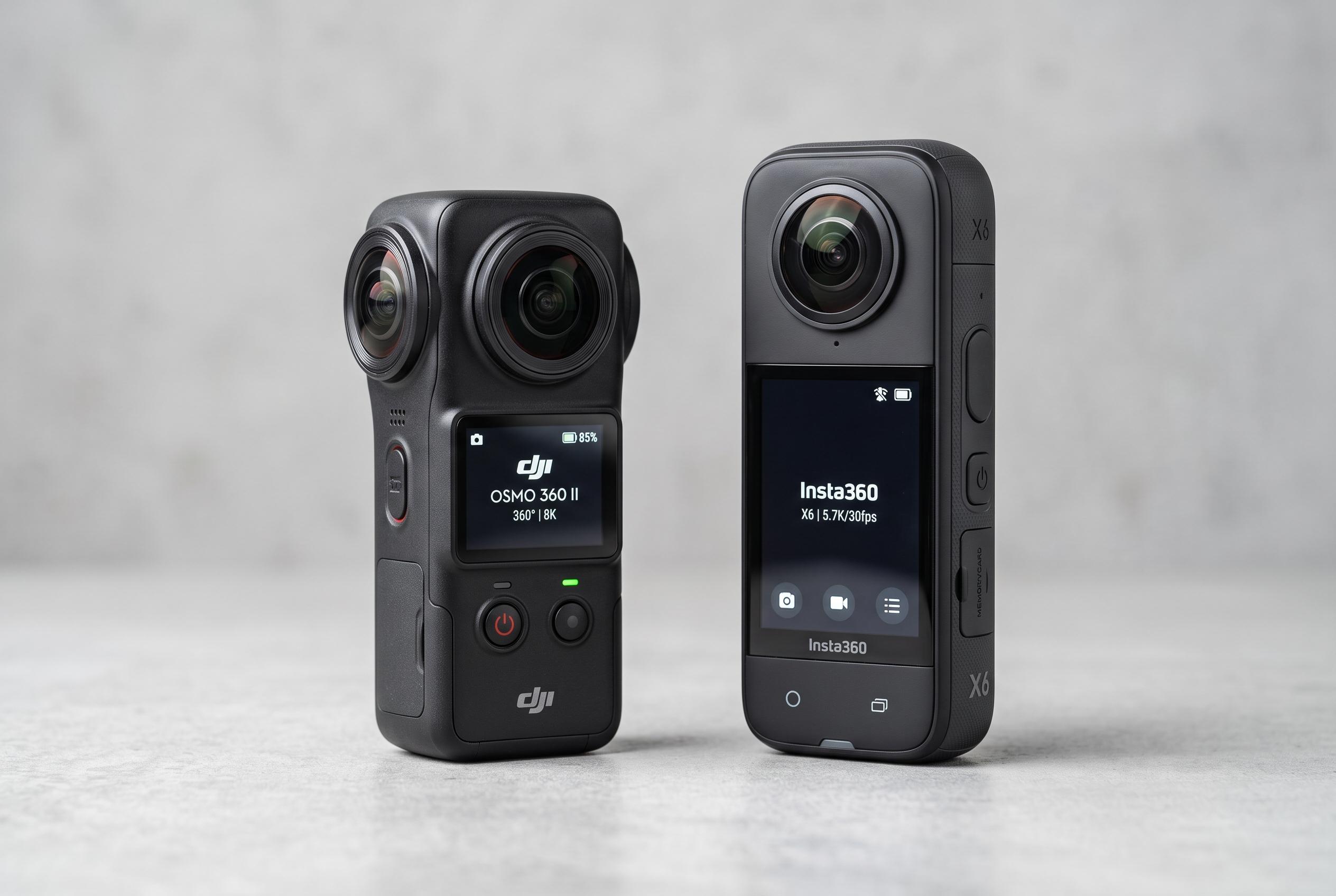

DJI is set to launch the Osmo 360 II, emphasising reliability and durability in a rapidly escalating market as Insta360 unveils its new X6 model with advanced features, sparking a head-to-head showdown for creators seeking stable, long-lasting 360-degree footage.
DJI is preparing to enter the next round of the 360-camera contest with the Osmo 360 II, due to launch on August 7, 2026, as rival maker Insta360 moves ahead with its own new model. According to the material supplied by Geeky Gadgets and Tech Court, DJI is pitching the camera as a more practical tool for long shoots, with a 2,150mAh battery, 27W USB-C fast charging and user-replaceable lenses aimed at reducing downtime and improving durability.
The timing matters because Insta360’s X6 is expected to arrive this week as well, turning the launch into a direct head-to-head. Leaks gathered by Gadgets360, Gizmochina and Digital Camera World suggest the X6 will push hard on image quality and portability, with reports pointing to 8K recording, 10-bit colour, improved HDR, stronger low-light performance and a more compact body than the X5. Some reports also say the X6 could include a 1,200-nit OLED touchscreen and a larger battery, while packaging leaks indicate a swappable lens system and a PureVideo mode for darker environments.
For DJI, the key selling points appear to be less about headline-grabbing specs and more about reliability. The company’s own Osmo 360 specifications page shows the current model already supports 27W fast charging and replaceable lenses, while the new version is expected to build on that foundation with better image processing, steadier footage and improved colour handling. That would put DJI in a strong position with users who value consistency on the road, on set or in demanding outdoor conditions.
The wider market picture is one of rapid escalation. Both brands are chasing the same creators: professionals looking for better stabilisation, stronger battery life and cleaner footage in difficult light, and enthusiasts who want a camera that is easy to carry and simple to repair. The real test will come once both devices are reviewed side by side, especially on low-light performance, overheating and endurance during long recording sessions.
Disclaimer: This content is intended for informational purposes only. Readers are advised to exercise their own judgement, conduct due diligence, or consult a qualified expert before acting on any information provided.