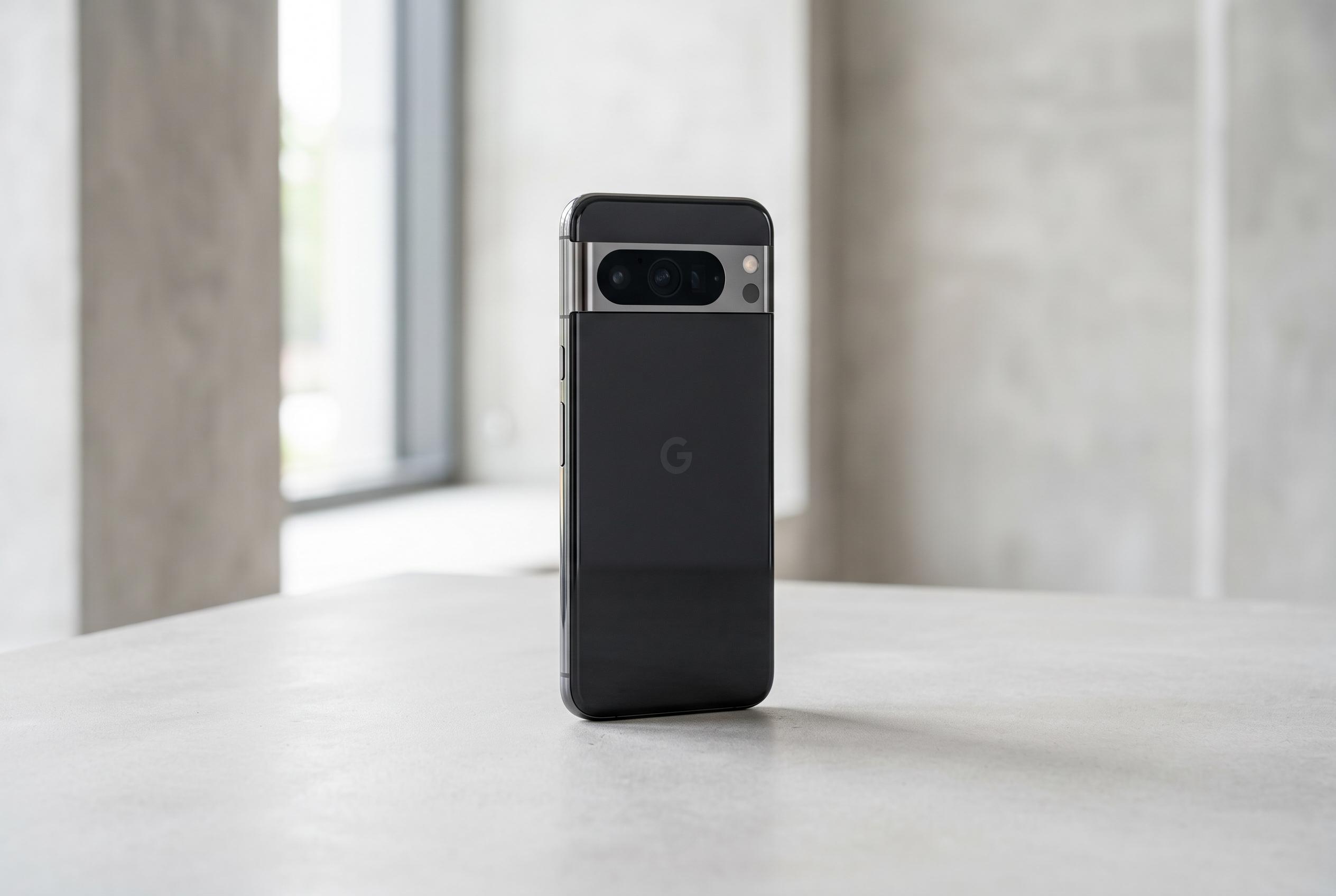

Google’s Pixel 11 series will feature the new Tensor G6 chip and Titan M3 security coprocessor, marking a significant step in mobile security and performance amid rising quantum threats.
Google’s Pixel 11 line is set to make a notable shift in mobile security as well as performance. According to The Next Web, all four models will use Tensor G6, Google’s next in-house chip, alongside a new Titan M3 security coprocessor built around NIST’s post-quantum cryptography standards. That makes the Pixel 11 the first Google phone designed to meet those standards, a move aimed at protecting data against threats that may become practical as quantum computing advances.
The security hardware is the more significant change. The Titan M3 is intended to handle quantum-safe secure boot and run Trusty, Google’s trusted execution environment, across the range. Google says the chip is meant to defend against “emerging, highly advanced digital attacks” and has Common Criteria certification at a level associated with SIM cards and bank cards. That matters because security specialists increasingly warn that encrypted data stolen now can be stored and decrypted later if future quantum systems become powerful enough.
Performance claims for Tensor G6 are more familiar, though still material. The chip is said to deliver 25% faster browsing, 15% quicker app loading and up to 20% better power efficiency than the Tensor G5. Google also says the updated TPU, or tensor processing unit, carries 50% more compute and greater memory bandwidth, allowing more of Gemini Nano to run on device. The company claims background tasks now run up to 3.5 times faster while using 3.5 times less energy.
Camera and image-processing features are also tied to the new silicon. Google says the same chip enables 120x Pro Zoom on the Pro models, 4K portrait video and Instant Night Sight that captures images up to 4.5 times faster. However, the company has not disclosed the manufacturing process or core layout of Tensor G6, leaving comparisons with Qualcomm and Apple chips difficult to judge before independent testing.
Pricing is moving higher across the series. The Pixel 11 starts at $899, with the Pro at $1,099, the Pro XL at $1,299 and the Pro Fold at $1,899. The base 128GB option has been dropped, which fits with reports that rising memory costs forced Google to rework the line-up. Android Central reported earlier this year that the company had signalled a price increase, with some models expected to start at higher storage tiers instead of lower entry prices.
Disclaimer: This content is intended for informational purposes only. Readers are advised to exercise their own judgement, conduct due diligence, or consult a qualified expert before acting on any information provided.