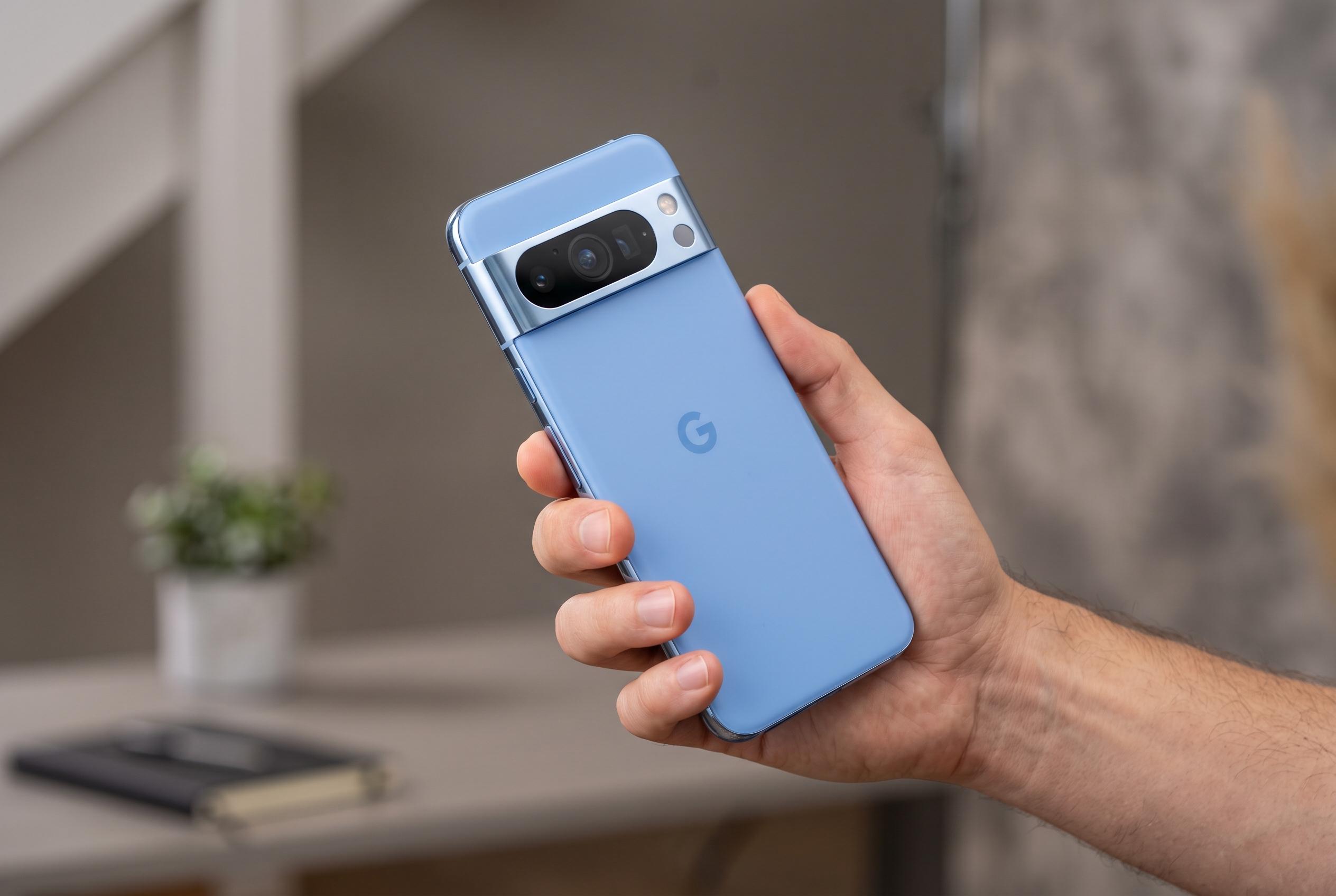

Google’s Pixel 11 series, expected to debut on August 12 in New York, features significant internal improvements including the new Tensor G6 processor, upgraded camera hardware, and enhanced wireless charging, signalling a refined flagship aimed at improved AI performance and user experience.
Google’s Pixel 11 appears to be an evolutionary update rather than a dramatic redesign, but the internal changes are substantial. According to Android Headlines, the new handset keeps the familiar compact form factor while adding a faster Tensor G6 processor, a more capable main camera, stronger wireless charging and longer software support. The timing also matters: Android Central reported that Google is expected to unveil the Pixel 11 series at its August 12 event in New York.
The biggest shift is the move to the Tensor G6, which Android Headlines says is built by TSMC on a 2nm process. The site reports that Google is claiming gains of up to 20% in power efficiency, 25% faster web browsing and 15% quicker app launches, alongside a larger jump in the chip’s image signal processor and tensor processing unit. In practice, that should help both everyday speed and on-device AI tasks, even if early benchmark leaks cited by Tom’s Guide suggest the Pixel 11 Pro XL may still lag the fastest rivals in raw performance.
Camera hardware also looks to be getting a more meaningful update than in recent Pixel generations. Android Headlines says the main rear camera now uses a 48-megapixel sensor with a larger 1/1.56-inch format, f/1.7 aperture, phase-detection autofocus and optical image stabilisation. The ultrawide and telephoto modules are said to stay largely unchanged, but improved processing from the new chip should still raise overall image quality. PhoneArena separately reported leaks pointing to a new 50-megapixel main sensor across parts of the Pixel 11 family, suggesting Google may be leaning more heavily on a revised primary camera system.
Battery and charging are another focus. Android Headlines reports a 4,985mAh battery, 30W wired charging and a jump from 15W to 25W wireless charging using Qi2.2. The phone is also said to include internal magnets, which would make magnetic accessories easier to use without a special case. That lines up with broader speculation around Google adding more accessory support as it tries to make the Pixel ecosystem more practical for daily use.
On the software side, the Pixel 11 is reported to ship with Android 17 and Google’s seven-year support policy for operating system upgrades, security patches and Pixel Drop features. Android Headlines also says the phone will use a Titan M3 coprocessor and deeper Gemini integration for security and AI functions. The display is said to be a 6.3-inch panel with Gorilla Glass Victus 2, up to 3,000 nits peak brightness and IP68 protection, reinforcing the impression of a compact flagship that is being refined in the areas most users notice first.
Disclaimer: This content is intended for informational purposes only. Readers are advised to exercise their own judgement, conduct due diligence, or consult a qualified expert before acting on any information provided.