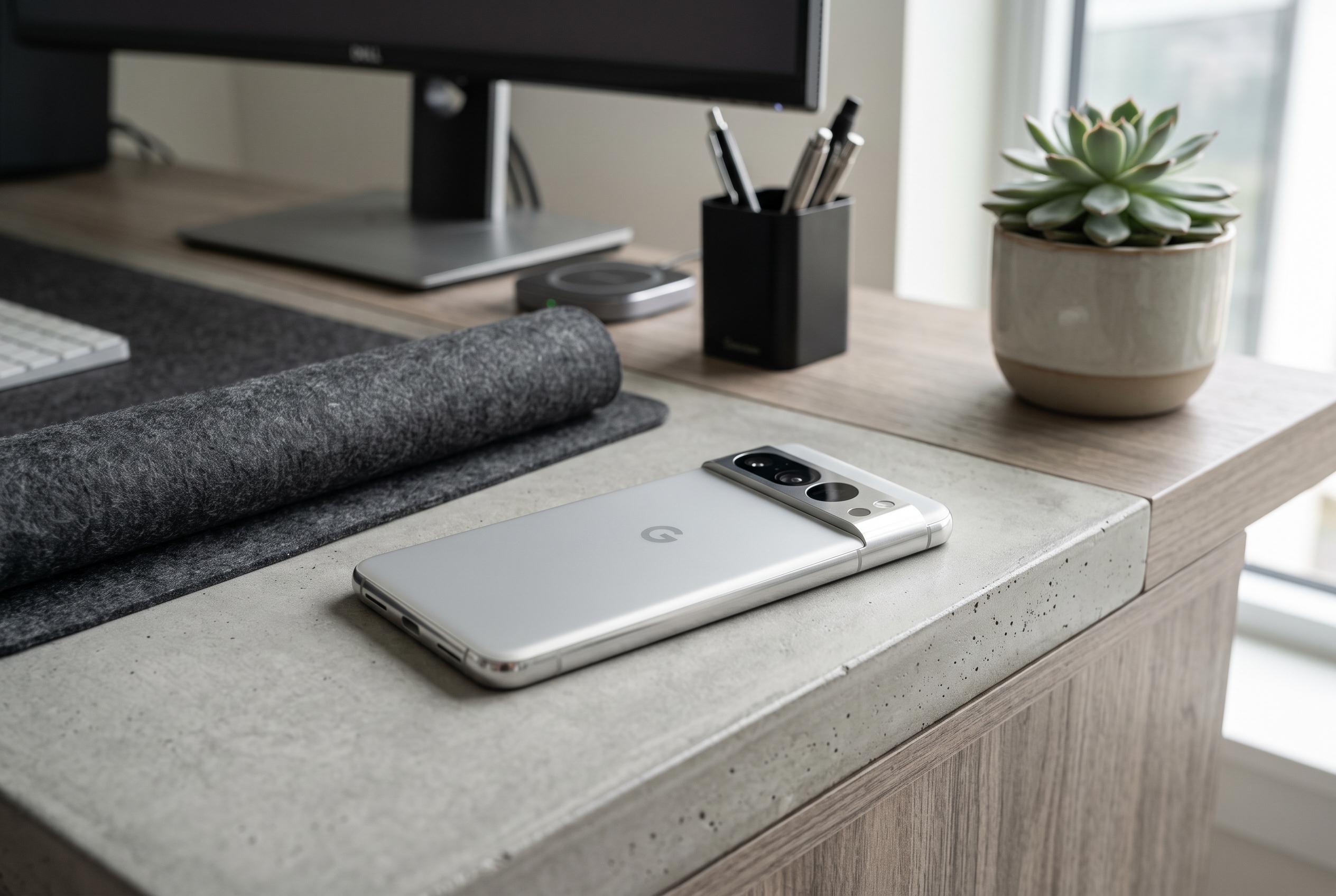

Early benchmark tests suggest Google’s upcoming Pixel 11 Pro may lag behind rivals in graphics-intensive tasks, raising questions about its gaming capabilities while emphasising its strengths in photography, AI and overall speed.
Google’s next flagship phone is already drawing attention for the wrong reason. A benchmark posted online suggests the Pixel 11 Pro could trail well behind rival Android devices in graphics-heavy tasks, even as Google prepares to pitch the handset around photography, on-device AI and general everyday speed rather than gaming muscle. According to Android Headlines, the test was run on a shop display unit before sales begin. The result was widely shared by a Reddit user and has reignited doubts about how far Google’s Tensor line can close the performance gap.
The 3DMark Wild Life Extreme run produced a score of 2,653 on the Pixel 11 Pro, a figure that looks modest beside top-tier Android phones due in 2026. Android Headlines noted that Samsung’s Galaxy Z Fold 8, using Qualcomm’s Snapdragon 8 Elite Gen 5, reached 7,135 in the same test. That kind of gap matters most in demanding 3D titles and sustained graphical workloads, where Tensor chips have historically been less competitive than Qualcomm’s flagship silicon.
Tom’s Guide has also reported a separate Geekbench leak for the Pixel 11 Pro XL, which is said to use the same Tensor G6 platform. Those results put the phone well behind the Samsung Galaxy S26 Ultra and Apple’s iPhone 17 Pro Max in both single-core and multi-core testing. Tom’s Guide said the handset appeared to run Android 17 with 16GB of RAM, but also cautioned that early benchmark leaks do not always mirror real-world use. Even so, the figures reinforce the impression that Google remains focused on balanced performance rather than raw speed.
That approach is consistent with Google’s wider Pixel strategy. In hands-on coverage of the Pixel 11 range, Tom’s Guide said the Pro model offers a strong mix of camera hardware, display quality and price, landing as the most rounded choice in the series. The publication also reported that Google has confirmed Tensor G6 uses TSMC’s 3nm process, not the previously rumoured 2nm node, though Google says the chip still brings faster web browsing, quicker app launches, better TPU performance and improved image processing. In practice, that suggests the Pixel 11 Pro may feel swift in normal use even if it remains a poor match for enthusiasts who prioritise gaming benchmarks.
Google is due to unveil the Pixel 11, Pixel 11 Pro, Pixel 11 Pro XL and Pixel 11 Pro Fold on 20 August 2026. For buyers, the key question is whether the line’s strengths in cameras, software and AI are enough to outweigh another clear weakness in graphics performance.
Disclaimer: This content is intended for informational purposes only. Readers are advised to exercise their own judgement, conduct due diligence, or consult a qualified expert before acting on any information provided.