
Google unveils its latest Pixel lineup, emphasising AI-driven functions, slimmer hardware, and increased prices, as it aims to integrate more software utility into everyday use.
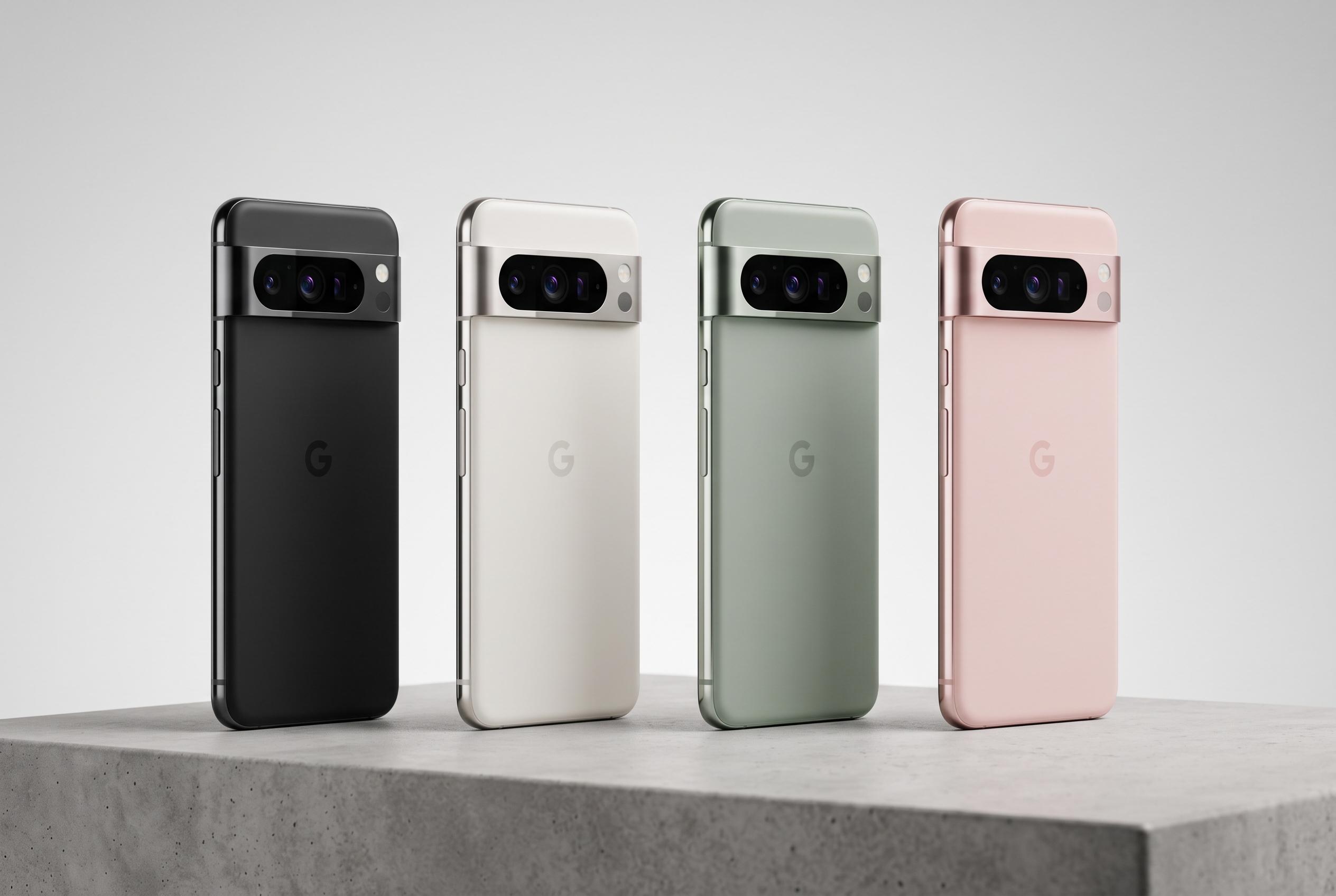
Google has refreshed its Pixel line with a stronger push into artificial intelligence, slimmer camera hardware and higher entry prices. Announced on 12 August 2026, the new range includes the Pixel 11, Pixel 11 Pro, Pixel 11 Pro XL and Pixel 11 Pro Fold, alongside a new tracking accessory called Pixel Tag. According to the Associated Press, the base model starts at $900, with the Pro, Pro XL and Fold priced at $1,100, $1,300 and $1,900 respectively, each marking a $100 rise from last year’s comparable devices.
The clearest theme across the range is Google’s attempt to make software feel more immediate and more useful in everyday tasks. The phones lean heavily on Gemini-powered functions such as improved speech-to-text, live translation for media, AI-assisted photo editing and tools that can pull still images from video or help users capture better shots. The company has also added features such as Magic Capture, intended for quick photo and video bursts, and HiLight, a coloured light system around the rear camera bar on the Pro models that signals Gemini activity and can be customised for certain callers.
Hardware changes are more incremental, but still notable. What HiFi reported that all four models use Google’s new Tensor G6 chip, while the standard Pixel 11 now begins with 256GB of storage rather than 128GB. The display panel across the range is brighter, with peak levels reaching up to 3,600 nits on the Pro and Fold models, a specification that should help in outdoor viewing and HDR video. The Pixel 11 Pro Fold is also thinner and lighter than its predecessor, while keeping two large OLED screens and an upgraded triple camera system.
Battery and charging have also been revised, although not always in ways that suggest a straight trade-off in favour of capacity. Android Central reported that the foldable’s battery has been reduced to 4,750mAh, down from 5,015mAh in the previous model, but Google is betting that the Tensor G6’s efficiency will offset the smaller cell. The company says the new phones can last up to 30 hours and support faster wireless charging, while Pro buyers receive six months of its AI Pro service, an incentive that underscores how central Gemini has become to the Pixel pitch.
Disclaimer: This content is intended for informational purposes only. Readers are advised to exercise their own judgement, conduct due diligence, or consult a qualified expert before acting on any information provided.