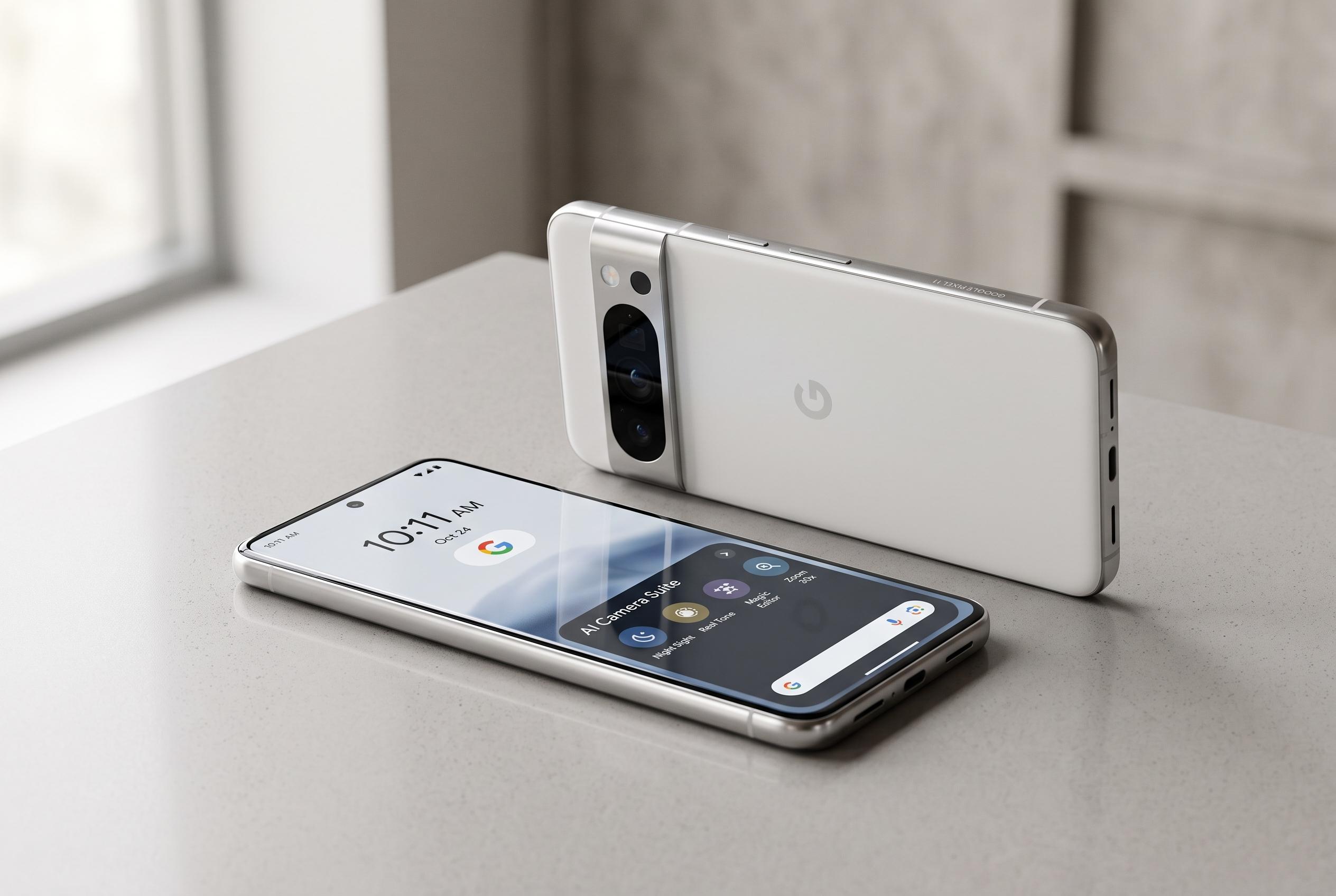

Google unveils the Pixel 11 series, integrating advanced AI tools and a stronger camera system aimed at enhancing automatic capture and editing, with mesmerising computational photography features including Magic Capture and Real Tone enhancements.
Google has formally unveiled the Pixel 11 series, and the standard model is being positioned around a stronger camera system backed by Tensor G6 and a broader set of AI tools. The focus is not only on higher-quality hardware but also on software that tries to make capture, selection and editing more automatic, particularly for fast-moving scenes and group shots.
The rear camera array consists of a 48-megapixel main sensor with an f/1.7 aperture, Quad PD, optical image stabilisation and a larger 1/1.56-inch format. It is joined by a 13-megapixel ultrawide camera with a 120-degree field of view and a 10.8-megapixel telephoto lens with 5x optical zoom. Google says the ultrawide and telephoto modules are familiar from the previous generation, but that computational photography gains should deliver better results. The phone also supports Super Zoom up to 30x through a mix of optical reach and image processing, while the main sensor enables Macro Focus without a separate macro camera.
Google is leaning heavily on Gemini-powered camera features. Magic Capture records video while the phone pulls out unblurred 12-megapixel HDR+ stills in the background. Camera Looks adds film-style effects such as Classic, Black Tie and Digi at the moment of capture rather than after the fact. Camera Coach is designed to offer live guidance on framing, lighting and composition. For people in the frame, Add Me combines two images so the photographer can be included, and Auto Best Take blends the best facial expressions from a burst of shots into one final image.
The Pixel 11 also keeps Google’s portrait and face-processing tools at the centre of the experience. Real Tone is intended to render a wider range of skin tones more accurately by adjusting white balance, exposure and face detection. Frequent Faces recognises people you photograph regularly and uses that data to improve recommendations and tone handling, with Google saying the information stays on-device. Top Shot continues to capture images before and after the shutter press so the phone can suggest a better frame if someone blinked or turned away.
Video support includes 4K capture at 24, 30 and 60 frames per second, along with 1080p at the same frame rates. The front camera can record 4K at 30 and 60 frames per second. Other tools include dual exposure on the main sensor, Macro Focus Video, 10-bit HDR recording and a set of audio features such as Audio Magic Eraser, Audio Zoom, stereo recording, Speech Enhancement and Wind Noise Reduction. Separate reports on Google’s teaser material also point to a redesigned back panel and new light-based features around the camera bar, underlining how much of the Pixel 11 pitch is built around visual distinction as well as imaging performance.
Disclaimer: This content is intended for informational purposes only. Readers are advised to exercise their own judgement, conduct due diligence, or consult a qualified expert before acting on any information provided.