
Google’s new Fitbit Air offers a minimalist, screenless fitness tracker designed for seamless, 24/7 health monitoring through a discreet sensor pod and an approachable app, challenging traditional smartwatches with its comfort and affordability.
Google’s Fitbit Air is a screenless fitness tracker aimed at users who want continuous health monitoring without the distraction of a display. The device is pitched as a minimalist alternative to a smartwatch, with heart-rate, sleep and activity tracking handled in the background and viewed later in the Google Health app. For people who already wear a smartwatch by day but remove it overnight, it is designed to fill the gap left by devices that need frequent charging and are less comfortable in bed.
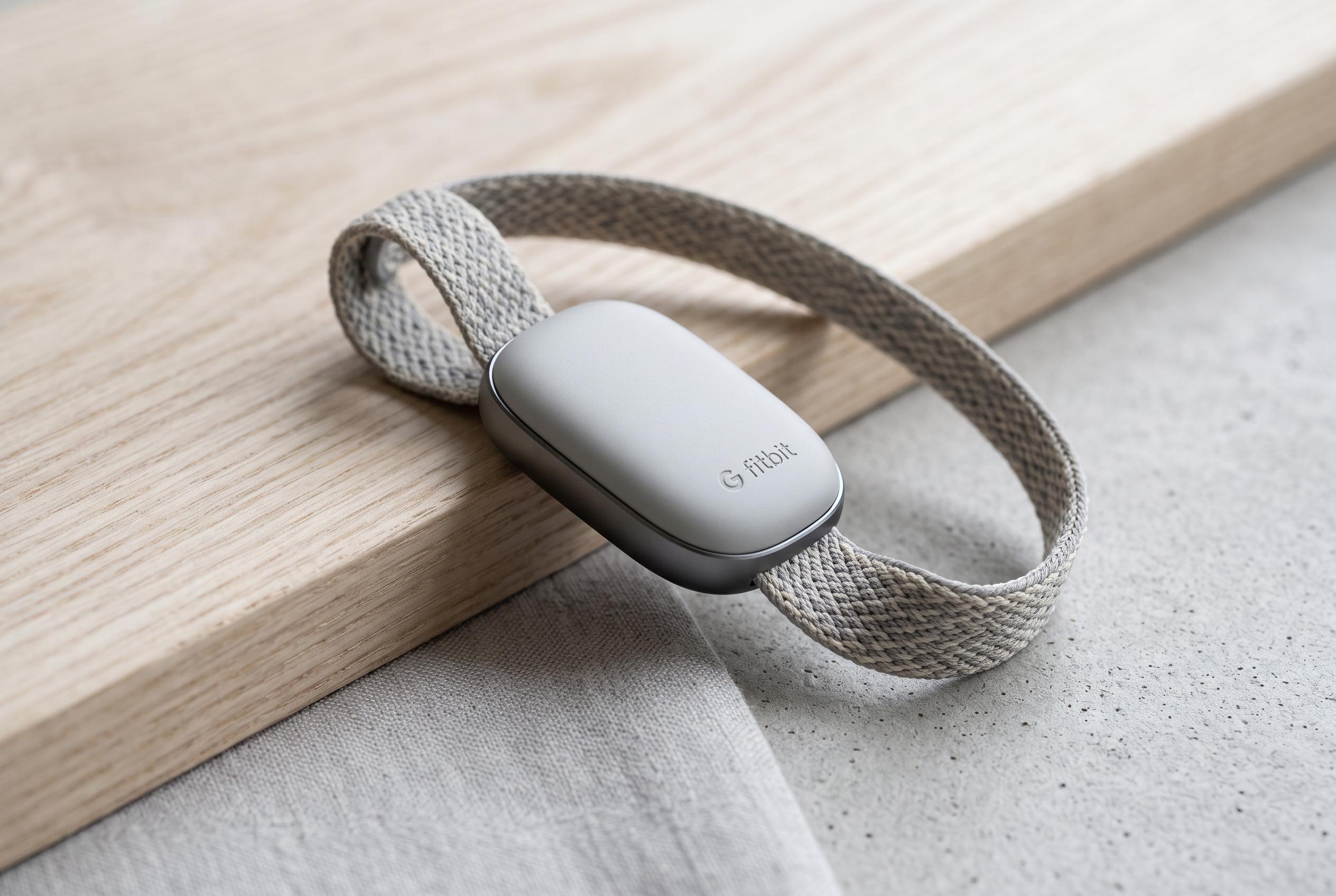
What distinguishes the Fitbit Air most clearly is its form factor. Google has built it around a small sensor pod and a slim band, with the tracking unit clipped into place rather than embedded in a bulkier watch case. Reviewers say the result is light, discreet and suitable for round-the-clock wear, while the hardware package includes sensors for heart rate, sleep, activity and blood-oxygen measurement. Gizmochina also reports that the device is one of the smallest in Google’s Fitbit range.
That emphasis on comfort matters because the Air is meant to be worn continuously. TechRadar and Tech Advisor both describe it as easy to forget on the wrist, which is exactly what many sleep and recovery trackers need to achieve. In practice, the appeal is not raw ambition but consistency: if a wearable is comfortable enough to wear all day and night, it can collect a fuller picture of rest, recovery and daily strain than a device that is regularly taken off.
The software side appears to be a major part of the pitch. According to Forbes, TechRadar and Tech Advisor, the Google Health app is where users see their data, and it includes AI-driven health coaching. Reviewers say the interface is straightforward and more approachable than many rival companion apps, with the coaching layer intended to turn raw metrics into practical guidance. That is important, because a displayless tracker depends entirely on the quality of its app to make the data useful.
Price is another part of the attraction. Forbes and TechCrunch put the Fitbit Air at $99.99, which positions it well below subscription-heavy competitors such as Whoop. Even so, Tech Advisor notes that some advanced functions require a subscription, which means the headline price does not tell the whole story. The Air is therefore best understood as a low-cost entry point into 24/7 health tracking, with the real value split between the hardware and Google’s paid coaching features.
The remaining question is not technical but practical: whether users are comfortable letting Google handle this much intimate health data. Continuous heart-rate, sleep and activity tracking can be very revealing over time, and the Fitbit Air is clearly built to collect that information in depth. For some buyers, the convenience and insight will outweigh the privacy concern. For others, it will be the deciding factor against the device altogether.
Disclaimer: This content is intended for informational purposes only. Readers are advised to exercise their own judgement, conduct due diligence, or consult a qualified expert before acting on any information provided.