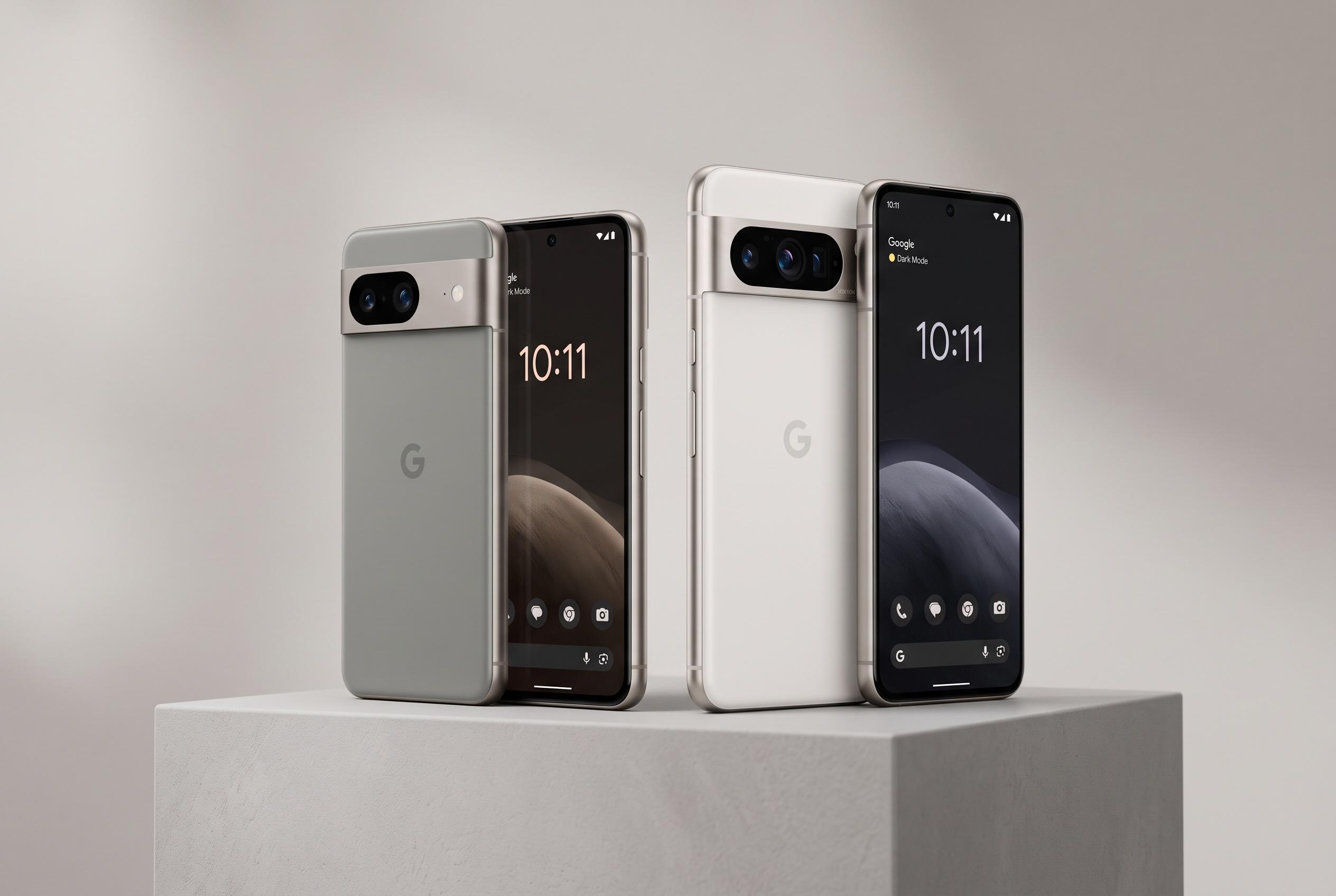

Google reveals detailed camera hardware for its Pixel 11 family, highlighting AI-driven enhancements and significant upgrades on the Pro models ahead of the Made by Google event in New York.
Google has set out the camera hardware for its Pixel 11 family before its Made by Google event in New York, signalling a product line that keeps the same three-tier structure: the standard Pixel 11, the Pixel 11 Pro and the Pixel 11 Pro XL. According to the company’s announcement, the emphasis remains on computational photography, with the Pro models carrying the most ambitious imaging upgrades and the base phone taking a more measured step forward.
On the regular Pixel 11, the changes appear relatively modest. The rear main camera rises to 48 megapixels with a larger 1/1.56-inch sensor, which should help it collect more light than the previous model. The ultrawide camera stays at 13 megapixels, the telephoto lens remains 10.8 megapixels with 5x optical zoom and 30x digital zoom, and the front camera is still 10.5 megapixels. PhoneArena’s specification listing broadly matches that picture, suggesting Google has preserved most of the Pixel 10-era camera layout while improving the primary sensor.
The more substantial hardware changes are reserved for the Pro phones. Google says both the Pixel 11 Pro and Pixel 11 Pro XL get a 50-megapixel main camera with a 1/1.3-inch sensor, a 48-megapixel ultrawide camera and a 48-megapixel telephoto camera with 5x optical zoom. The selfie camera rises sharply to 42 megapixels. The company is also leaning hard into software, including what it describes as AI-assisted 120x Pro Zoom. Reports from the launch event in Spain said the Pro handsets also support 8K video, underlining how much of Google’s pitch now depends on blending optics with machine learning.
The new cameras also arrive in a market where Apple still dominates US smartphone share, while Pixel remains a much smaller player. That makes photography one of Google’s clearest ways to compete. In the details shared so far, the Pixel 11 Pro and iPhone 17 Pro look closely matched on the main and ultrawide cameras, according to PhoneArena’s comparison, while Google holds an advantage in telephoto reach and selfie resolution. The trade-off is philosophical as much as technical: Google is pushing further with AI-assisted zoom, while Apple’s approach appears more conservative and more firmly tied to the image the lens can actually capture.
Disclaimer: This content is intended for informational purposes only. Readers are advised to exercise their own judgement, conduct due diligence, or consult a qualified expert before acting on any information provided.