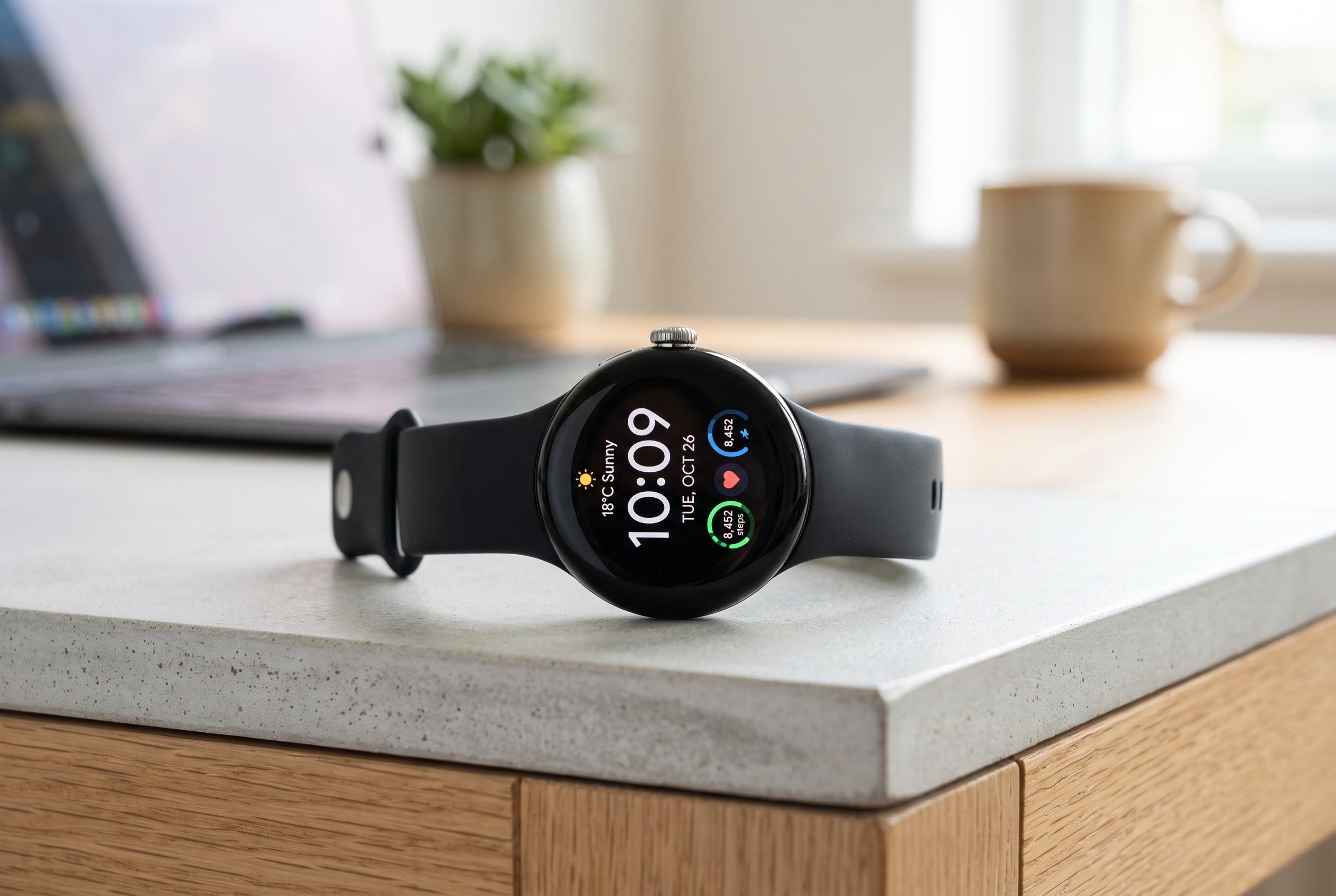

Google unveils the Pixel Watch 5 with a new breathing-emergency detection feature that uses AI algorithms to flag severe respiratory incidents and contact emergency services, initially available in select European markets due to regulatory approvals in the US.
Google used its Made by Google event to unveil the Pixel Watch 5, adding a new breathing-emergency detection feature that is designed to flag signs of severe respiratory distress and, if needed, contact emergency services with the wearer’s location. According to coverage from Android Central and T3, the system relies on an AI-driven algorithm that analyses data from sensors including PPG, the accelerometer and the barometer to detect potentially dangerous falls in blood oxygen levels.
The feature is intended for situations such as choking, a serious asthma-related episode, severe pneumonia or a drug overdose. Google said it is not meant to diagnose or treat illness, and it is not aimed at people with existing respiratory conditions. T3 reported that the watch can first vibrate and show a warning, then sound an audible alert, before starting a countdown and making an emergency call if the user does not respond.
Google also said the feature will not arrive immediately in the United States because it still needs approval from the Food and Drug Administration. Its initial rollout is expected in selected European Union markets, while T3 said the Pixel Watch 4 will receive the capability in some European countries, including the UK, through a software update rather than new hardware. Google’s support pages also show that many of its existing emergency functions depend on region, connectivity and whether the wearer is using a Wi-Fi or LTE model.
The new alert system sits within a broader health and safety push across Google’s wearable line. Android Central reported that the Pixel Watch 5 keeps the same overall design as the Pixel Watch 4, but adds the Snapdragon W5 Gen 2 chip, more storage and Wear OS 7 with Gemini Intelligence. Google also plans to extend health tracking features such as blood-pressure trends and insulin-resistance monitoring to Fitbit Air and several Pixel Watch models later this year. Even so, health groups such as the American Heart Association and the American Diabetes Association have long argued that consumer wearables remain useful for monitoring, but they do not replace established clinical tools such as upper-arm blood pressure cuffs.
Disclaimer: This content is intended for informational purposes only. Readers are advised to exercise their own judgement, conduct due diligence, or consult a qualified expert before acting on any information provided.