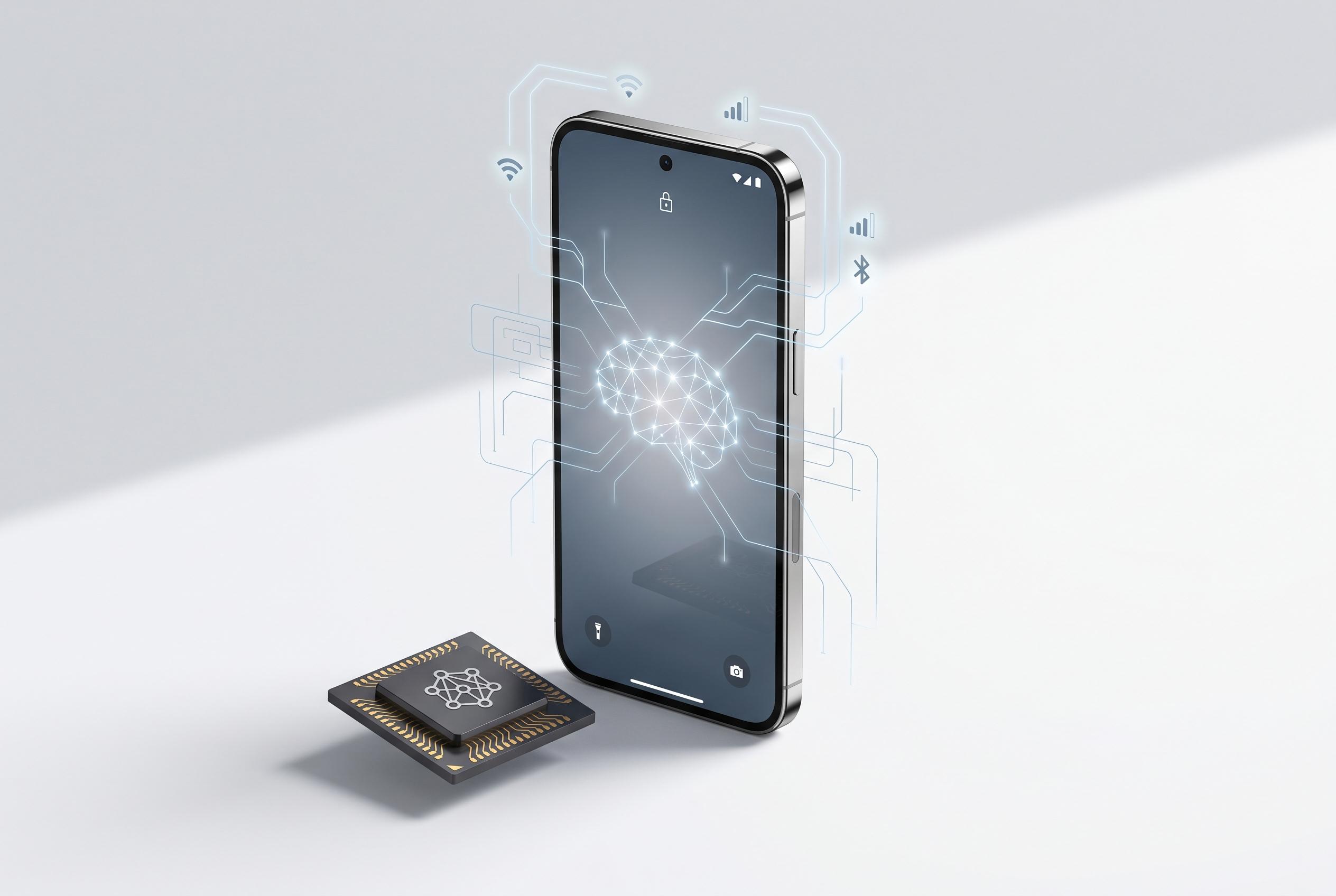

Google’s new Tensor G6 chip promises a more rounded mobile experience for Pixel 11 users, with improvements in connectivity, AI capabilities, and practical performance, signalling a strategic shift rather than benchmark dominance.
Google’s Tensor G6 is shaping up as a more rounded mobile chip for the Pixel 11 family, even if it still falls short of the raw muscle offered by Qualcomm and MediaTek rivals. Android Central said the new design keeps Google’s familiar emphasis on AI acceleration, but it also addresses two long-running weaknesses in Pixel hardware: inconsistent connectivity and middling sustained performance. The chip moves to Arm’s newer C1 Ultra and C1 Pro cores and, according to Google, brings a 25% gain in browsing speed and up to 20% better power efficiency than the Tensor G5.
The modem change may be just as important. Android Central reported that Google has dropped Samsung’s modem in favour of a MediaTek part, a shift that should improve reception and reduce the sort of intermittent connection problems some Pixel owners have reported in recent years. Google has not publicly named the component in its launch material, but it described the new modem as its most power-efficient yet. The chip also keeps TSMC’s 3nm manufacturing process rather than the 2nm node some earlier leaks suggested, which means the G6 is advancing through architecture rather than a process shrink.
Performance gains appear to be more selective than sweeping. Tom’s Guide reported that the Tensor G6 improves app launches and web browsing, but early benchmark leaks suggest the CPU still trails the fastest Android flagships, including Samsung’s Galaxy S26 Ultra. Android Central also noted that Google has kept the GPU relatively conservative, using a PowerVR CXTP part that is unlikely to transform gaming performance. That points to a familiar Pixel pattern: strong day-to-day responsiveness, but limited headroom for heavy gaming or long, sustained workloads such as extended 4K video capture.
Where Google is making its clearest push is in on-device AI. The TPU is said to be 50% more powerful, and that extra headroom underpins features such as Gemini Intelligence, Live Translate, Instant Night Sight and 120x zoom on the Pro models. Android Central said the G6’s AI focus is central to Google’s strategy, with the company leaning on Gemini Nano and a growing set of software features to distinguish Pixels from rivals. The chip also includes a Titan M3 security co-processor, which replaces Titan M2.
The Tensor G6 powers the full Pixel 11 range, which Google officially announced on 12 August 2026. Android Central said the line-up includes the Pixel 11, Pixel 11 Pro, Pixel 11 Pro XL and Pixel 11 Pro Fold, with the base model now starting at 256GB. Other coverage of the launch said the phones go on sale on 20 August, with prices starting at $899 and rising to $1,899 for the foldable. The hardware story is therefore familiar in one sense: Google is still not chasing benchmark supremacy. But this time, the company appears to have made a more credible effort to improve the practical weaknesses that have defined Tensor before.
Disclaimer: This content is intended for informational purposes only. Readers are advised to exercise their own judgement, conduct due diligence, or consult a qualified expert before acting on any information provided.