
German accessories maker Hama launches the Ring One, a low-cost smart ring, seeking to disrupt the growing but niche market through widespread European retail presence, challenging premium brands like Oura.
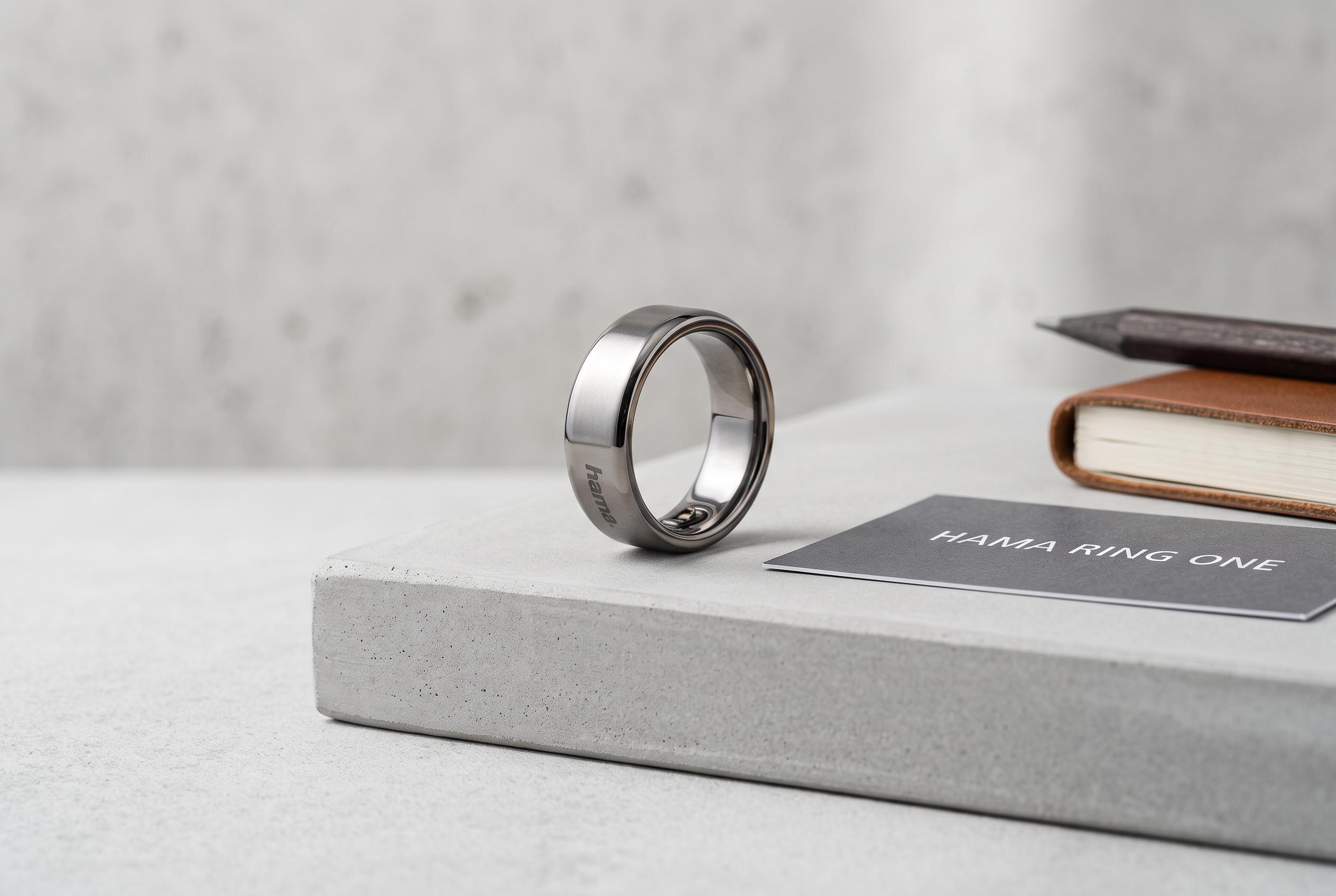
Hama GmbH & Co KG, the German accessories maker best known for phone cases, charging cables and other everyday electronics add-ons, has moved into smart rings with a product designed less to impress enthusiasts than to test whether ordinary retail can widen the category’s appeal. The Ring One, announced on August 4, costs €129 and carries no subscription charge, placing it well below the premium rings that have defined the market so far. According to Hama, the device is meant to use the company’s existing retail reach across Europe to put a health tracker in front of shoppers who would not otherwise seek out a specialist wearable brand.
That strategy arrives as the smart ring segment grows quickly but remains small compared with smartwatches. Grand View Research said the market was worth about $417.5 million in 2025 and is forecast to rise to $502.4 million in 2026, with annual growth of roughly 22.5% expected through 2033. Bloomberg, citing IDC data, has also reported that shipments are rising sharply, even as the category remains niche. The appeal is clear enough: smart rings are discreet, and for some buyers they are more comfortable than wearing a watch all day and all night. The harder problem has been distribution, not demand.
Hama is trying to exploit that gap with a product that can sit in mainstream consumer electronics stores rather than only on a direct-to-consumer website. The company, founded in 1923, says it has about 2,500 employees across 19 international locations and sells through a broad European retail network. That gives the Ring One a route to market that startups have struggled to match. Oura, Ultrahuman and RingConn have all built recognition in the category, but their sales models remain heavily online, and Oura in particular has leaned on premium positioning and a subscription model that Hama is explicitly rejecting.
On the hardware side, the Ring One covers the basics expected of a modern smart ring: heart rate, heart rate variability, blood oxygen, body temperature, sleep, steps and sports tracking across 120 disciplines. It also includes vibration alerts and menstrual cycle reminders, with all data funnelled into the Hama Active app without an added fee. The ring is made from stainless steel rather than titanium, a choice that helps keep the price down but likely adds weight compared with higher-end rivals. Hama says it offers 5 ATM water resistance and about four days of battery life, which is adequate but well short of some more expensive alternatives.
The larger question is whether a lower price and a familiar retail brand are enough to persuade first-time buyers that a smart ring is worth trying at all. The current market suggests that comfort and convenience matter, but so does the moment of discovery: many consumers still encounter wearables online, not in a shop aisle beside speakers and charging leads. Hama is betting that a mass-market European presence can change that, and that the smart ring’s next phase of growth will come not from better sensors alone but from better shelf space.
Disclaimer: This content is intended for informational purposes only. Readers are advised to exercise their own judgement, conduct due diligence, or consult a qualified expert before acting on any information provided.