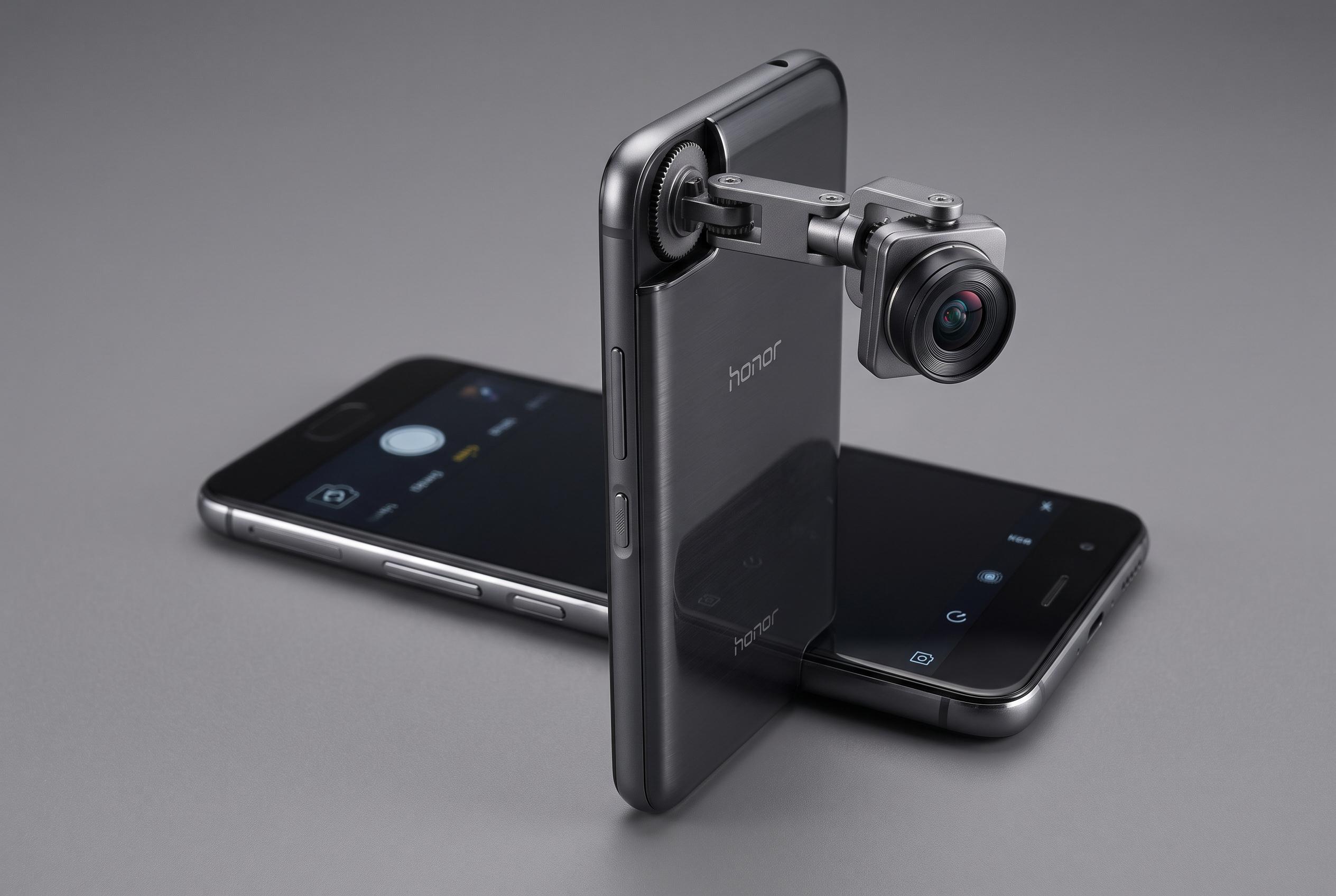

On August 12, Honor and Google face off with radically different flagship phones , one boasting a motorised camera arm, the other relying on computational photography, in a contest set to redefine premium smartphone innovation.
Honor and Google are set for an unusual head-to-head on August 12, when both companies plan major phone launches on the same day. That coincidence creates a neat contrast between two very different ideas of what a flagship camera phone should be: Honor’s Robot Phone, with a moving, motorised camera system, and Google’s Pixel 11, which places its faith in software and the company’s long-established computational photography playbook.
According to Google’s own event details, the Pixel 11 line will be unveiled at its Made by Google showcase in New York on August 12, with pre-orders opening that day and retail availability expected roughly a week later. Tom’s Guide and other leak-watchers say the wider family will include the Pixel 11 Pro Fold, while reports suggest the base phone may start at $899 and come with 256GB of storage. Google is also being linked with a new Tensor G6 chip built on a 2nm process, alongside a few cosmetic changes and a possible notification light feature called HiLight.
Honor’s Robot Phone, meanwhile, is the more radical device. The company has described it as a handset with a 200-megapixel main camera mounted on a 4-degree-of-freedom robotic arm that can rotate, track subjects and tuck back into the body when not in use. Honor has also indicated a 50-megapixel ultrawide camera, a 200-megapixel telephoto lens and AI-assisted imaging features, which would make it one of the most ambitious camera systems ever fitted to a phone. The trade-off is obvious: this is a far more complex piece of hardware, and complexity usually brings cost, weight and durability questions with it.
The Pixel 11 is taking the opposite route. Leaks reported by TechRadar and others suggest the base model may again ship with two rear cameras rather than chasing extreme hardware counts, relying instead on Google’s image processing and on-device AI to improve the final result. That strategy has long been central to the Pixel brand: produce clean, consistent photographs without asking users to think about lenses, gimbals or camera modes. For many buyers, that is the point. For others, it may look conservative beside Honor’s theatrics.
Price and availability may decide the contest before camera quality does. Honor has opened pre-orders in China and says a wider rollout is coming, but there is still no confirmed international price or shipping date. Google, by contrast, is preparing a broad launch window with clear timing for pre-orders and a likely retail release later in August. That makes the Pixel 11 the practical choice for most shoppers, even if the Honor Robot Phone is the more eye-catching experiment. In that sense, the matchup reflects a familiar divide in smartphones: one company is trying to invent the next big thing, while the other is trying to make the best version of a phone people will actually buy.
Disclaimer: This content is intended for informational purposes only. Readers are advised to exercise their own judgement, conduct due diligence, or consult a qualified expert before acting on any information provided.