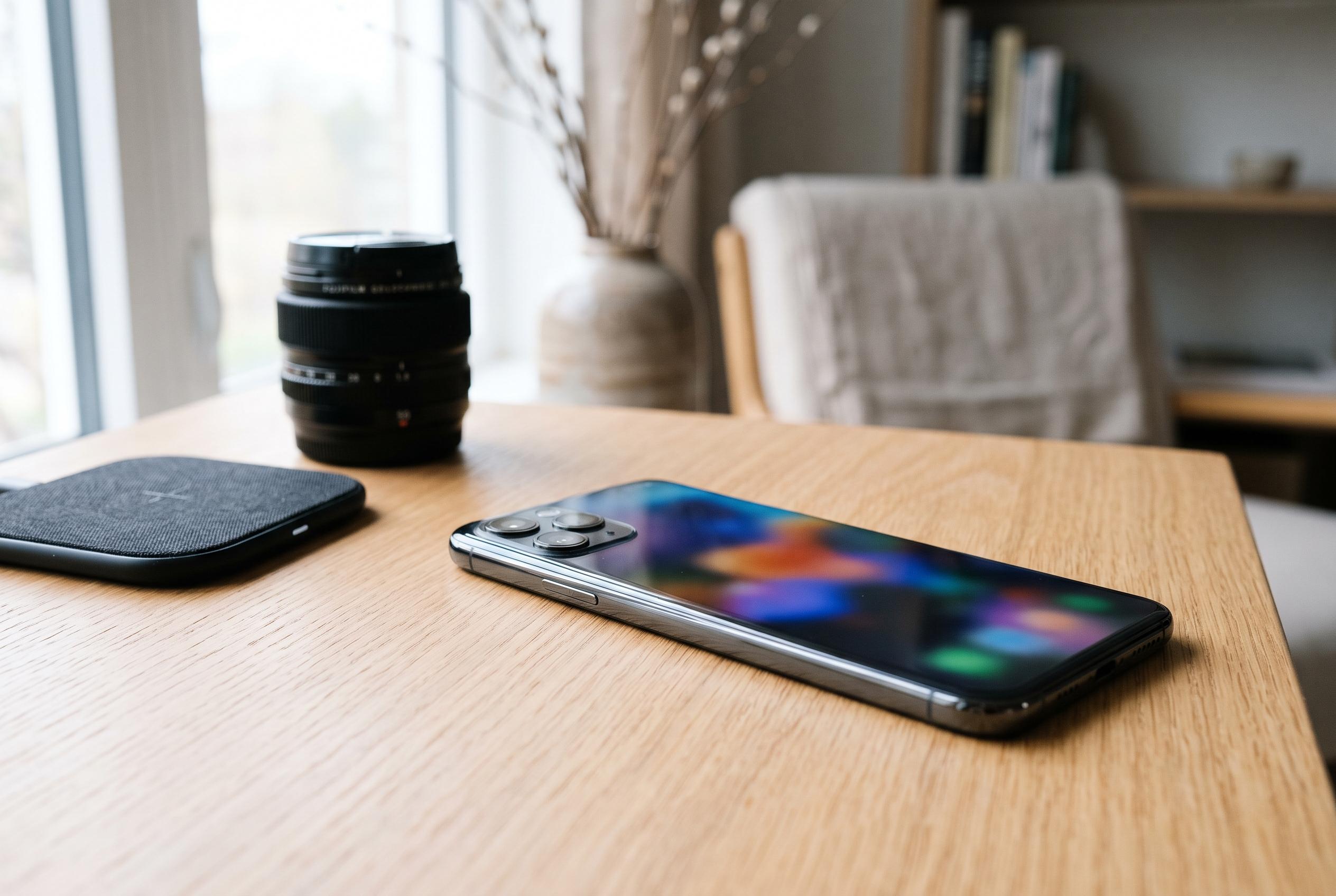

Huawei’s camera-focused Nova 16s Pro delivers a 200MP main sensor, 3.7x optical zoom, a 7,000mAh battery and a 120Hz LTPO OLED display, but its lack of native Google services remains a significant compromise.
Huawei’s Nova 16s Pro is another reminder that smartphone value is rarely a matter of raw specifications alone. On paper, the device packs a 200-megapixel main camera, a 50-megapixel periscope telephoto lens, a 50-megapixel ultra-wide camera, a 6.84-inch LTPO OLED display and a 7,000mAh battery. Huawei’s own product page and third-party reports broadly align on those headline features, while also placing the phone in the upper mid-range rather than the flagship tier. According to Huawei, the handset also adds front and rear True-to-Colour camera hardware and AI-assisted photography tools, reinforcing the company’s focus on imaging rather than pure performance.
That emphasis is reflected in the wider positioning of the phone. PhoneArena reported that the Nova 16s Pro comes with 12GB of RAM, storage options of 256GB and 512GB, and the Kirin 9010S chipset, while GSMArena and Notebookcheck described the model as part of Huawei’s push to sell a highly specified, camera-led handset with a premium finish. The design appears to follow that brief closely, with the device offered in several colourways, including Breathing Crystal, Isle Blue, Starry Black and Sky White. The result is a product that tries to stand out visually as well as technically, even before the cameras are considered.
The camera system is the clearest selling point. Huawei says the main camera uses a large RYYB sensor, a technology the company has relied on for improved light capture, while the telephoto lens offers 3.7x optical zoom. That matters because optical zoom preserves more detail than digital enlargement, making the phone more useful for portraits, travel shots and distant subjects. The ultra-wide lens adds flexibility for landscapes, architecture and group photos, giving the handset a more complete photographic toolkit than phones that lean too heavily on a single main sensor.
Huawei also appears to be pushing image quality through software and supporting hardware. Its product information highlights colour-accurate imaging and AI-based creative features, while the review cited in the supplied material notes tools such as reframing, subject repositioning, glare reduction and expression selection. That combination is designed to make editing easier for casual users who want better-looking results without moving into advanced photo software. It also fits Huawei’s broader camera strategy: deliver strong baseline results, then add features that make the phone useful after the shutter is pressed.
Beyond photography, the Nova 16s Pro’s display and battery capacity are the other major attractions. The 6.84-inch LTPO OLED panel supports a 120Hz refresh rate and reaches a quoted peak brightness of 6,000 nits, which should help with outdoor visibility and media playback. The 7,000mAh battery is unusually large for a handset in this class, and Huawei says it supports 100W wired charging. In practical terms, that combination should reduce charging anxiety for heavy users, although it also suggests the phone may be aimed at buyers who value endurance more than thinness or light weight.
The main caveat remains software. As the review material makes clear, Huawei devices still do not ship with native Google Mobile Services, which can complicate access to apps and services that many Android users take for granted. The review describes GBox as a workable route to apps such as YouTube, Google Drive, Facebook and the Play Store, but that is not the same as having full, official Google integration. For buyers already invested in Google’s ecosystem, that distinction will matter more than any camera specification.
Taken together, the Nova 16s Pro looks like a deliberately balanced compromise: strong hardware, a large battery, a high-end display and a versatile camera array, offset by a software environment that may require extra effort. That makes it most attractive to users who prioritise photography and endurance and who are comfortable working around Huawei’s ecosystem limitations. For them, the phone appears to offer a compelling package. For everyone else, the software friction may still outweigh the rest of the specification sheet.
Disclaimer: This content is intended for informational purposes only. Readers are advised to exercise their own judgement, conduct due diligence, or consult a qualified expert before acting on any information provided.