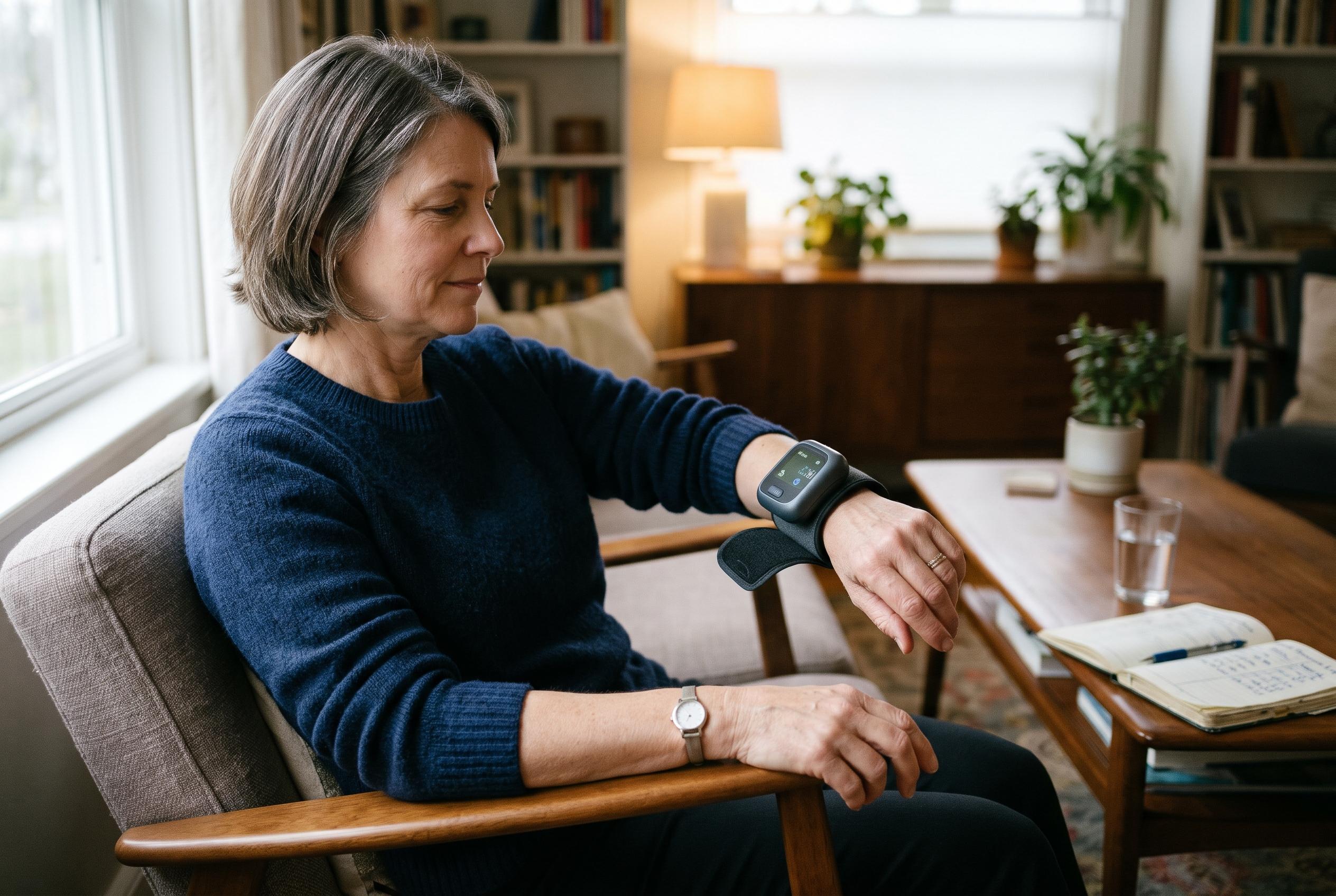

Huawei is presenting the WATCH D3’s inflatable wrist cuff and ambulatory monitoring features as tools for hypertension management, but pricing, availability and evidence for routine clinical use remain unclear.
Huawei used a major hypertension conference in Dubai to reposition its latest wearable as a clinical device first and a consumer gadget second. The HUAWEI WATCH D3 was introduced during the company’s MEA Tech Innovation Talks at Grand Plaza Movenpick on 23 October, alongside the International Society of Hypertension and the European Society of Hypertension event running in the city from 22 to 25 October. The timing was intentional: Huawei wants the watch seen as part of blood pressure management, not just another fitness tracker.
The key technical difference is the device’s inflatable wrist cuff. That design places it closer to conventional blood pressure measurement than the optical sensors used in most smartwatches, which remain far less convincing to many clinicians. Professor George Stergiou, president of the International Society of Hypertension, described the WATCH D3 as a novel and reliable way to observe blood pressure profiles and patterns. He also noted that the society and the European Society of Hypertension support the clinical use of validated wrist-cuff monitors, while still calling for more evidence on how such devices fit into routine care.
Huawei is also leaning on ambulatory blood pressure monitoring, or ABPM, as a potential selling point. According to HuaweiCentral’s report from the ESC Congress 2026, the WATCH D3 can provide more refined blood pressure readings, including measurements before and after exercise, and can suggest suitable exercise intensity. The same report says the watch can issue automated reminders during environmental changes such as altitude shifts or temperature drops. That approach could make ABPM less intrusive than the conventional upper-arm cuff systems that patients typically wear for 24 hours, a point echoed by researchers speaking at the Dubai event.
The company is broadening the health pitch beyond hypertension. Professor Maryam Al Saeed of Mohammed Bin Rashid University of Medicine and Health Sciences said Dubai Health and Huawei are running a clinical research project on non-invasive wearables for earlier diabetes risk detection. Huawei also highlighted coronary heart disease risk research and said it has created a Wearable Blood Pressure Technology Innovation Fund with the International Society of Hypertension. The company said its research and development budget reached USD 28.62 billion in 2025, equal to 21.8% of revenue. Beyond health, Huawei also used the event to display foldable phones and camera devices, while chief technology officer Edwin You outlined the company’s Tau Law chip design approach, which it says focuses on reducing signal propagation delays rather than simply shrinking transistors.
For now, the largest commercial question remains unanswered: Huawei did not discuss pricing or regional availability for the WATCH D3. That leaves the device with an ambitious clinical narrative, but an uncertain route to mainstream adoption.
Disclaimer: This content is intended for informational purposes only. Readers are advised to exercise their own judgement, conduct due diligence, or consult a qualified expert before acting on any information provided.