
Huawei extends its Watch D3 to the UK and European markets, offering a clinically aimed smartwatch with cuff-style blood pressure measurement, advanced health features, and a refined design for extended wear.
Huawei is bringing its Watch D3 to the UK and more European markets, extending a product line that treats the wrist like a clinical monitoring point rather than a standard smartwatch sensor array. The device centres on blood pressure measurement, using an inflatable strap to take cuff-style readings without a separate arm band. TechRepublic said the model follows its Munich debut earlier this month, while later hands-on and review coverage from TechRadar, Notebookcheck and T3 described it as a more refined successor to Huawei’s earlier cuff-based watch.
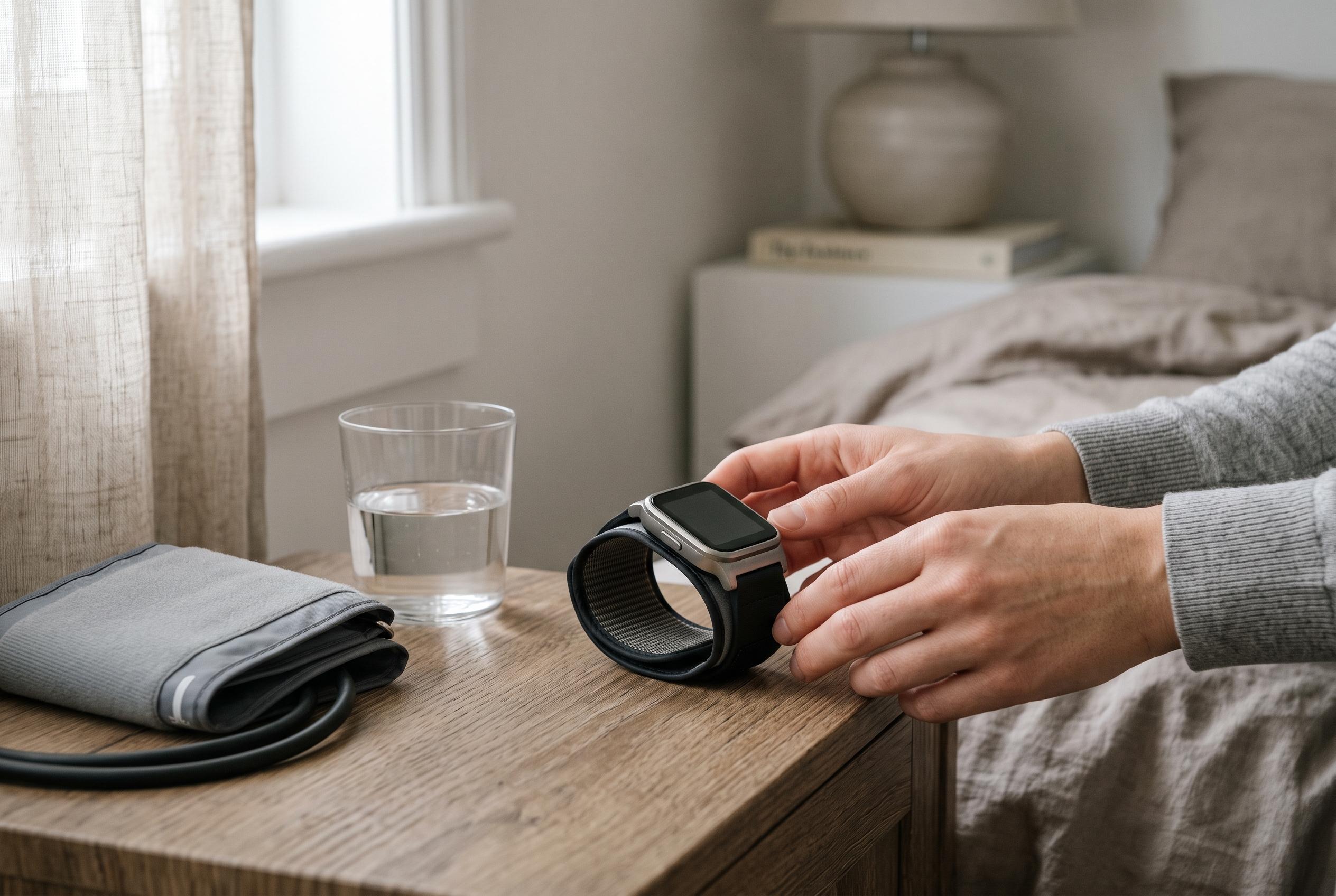
The key distinction is mechanical, not cosmetic. Inside the strap sits an airbag and pressure sensor that inflate around the wrist and use the oscillometric method to determine systolic and diastolic pressure. Unlike many consumer wearables that infer cardiovascular trends indirectly, Huawei’s approach is aimed at producing direct measurements and repeated checks, including 24-hour ambulatory blood pressure monitoring. Huawei Health can compile those readings into a report for a clinician, and the watch carries CE certification for its blood pressure function under European medical-device rules, according to TechRepublic and the later review coverage.
Huawei has also reworked the form factor. TechRepublic reported that the Watch D3 is thinner than the Watch D2 at 11.3mm, with a larger 1.92-inch display and a narrower strap assembly. TechRadar and Notebookcheck both said the device weighs 40g and uses a 1.92-inch AMOLED panel with a peak brightness of 3,000 nits. Huawei also says the new strap is lighter than the previous version, which matters because the watch is designed for extended wear, including overnight monitoring.
That extended wear is where the device is meant to stand apart from ordinary smartwatch health tools. The D3 can take readings before and after supported workouts and issue alerts if measurements are elevated before exercise, according to TechRepublic. It also retains ECG, sleep tracking and Bluetooth calling, so the blood pressure function sits alongside broader health and communication features rather than replacing them. Reviewers noted, however, that the mechanical airbag may still feel noticeable during long periods on the wrist, even if the pump is quieter and the overall design is slimmer than before.
For users in the UK and Europe, the bigger question is less whether the watch can take a reading and more whether it fits the clinical purpose. TechRepublic pointed out that ambulatory monitoring is often recommended when doctors want blood pressure data outside the consultation room, especially when office readings are inconclusive or do not match home measurements. Huawei says the watch should be worn with the wrist level to the heart and kept still during standard checks, and it sets wrist circumference limits of 13cm to 21cm. UK pricing starts at £399.99, with European listings at €449, placing the Watch D3 firmly in premium territory for a device that is best judged as a health instrument first and a smartwatch second.
Disclaimer: This content is intended for informational purposes only. Readers are advised to exercise their own judgement, conduct due diligence, or consult a qualified expert before acting on any information provided.