
Huawei unveils the Watch GT 7 Pro, a more specialised smartwatch focusing on indoor skiing, cycling, and golf, with premium materials and enhanced multisport capabilities, aiming to strengthen its position in the wearables market.
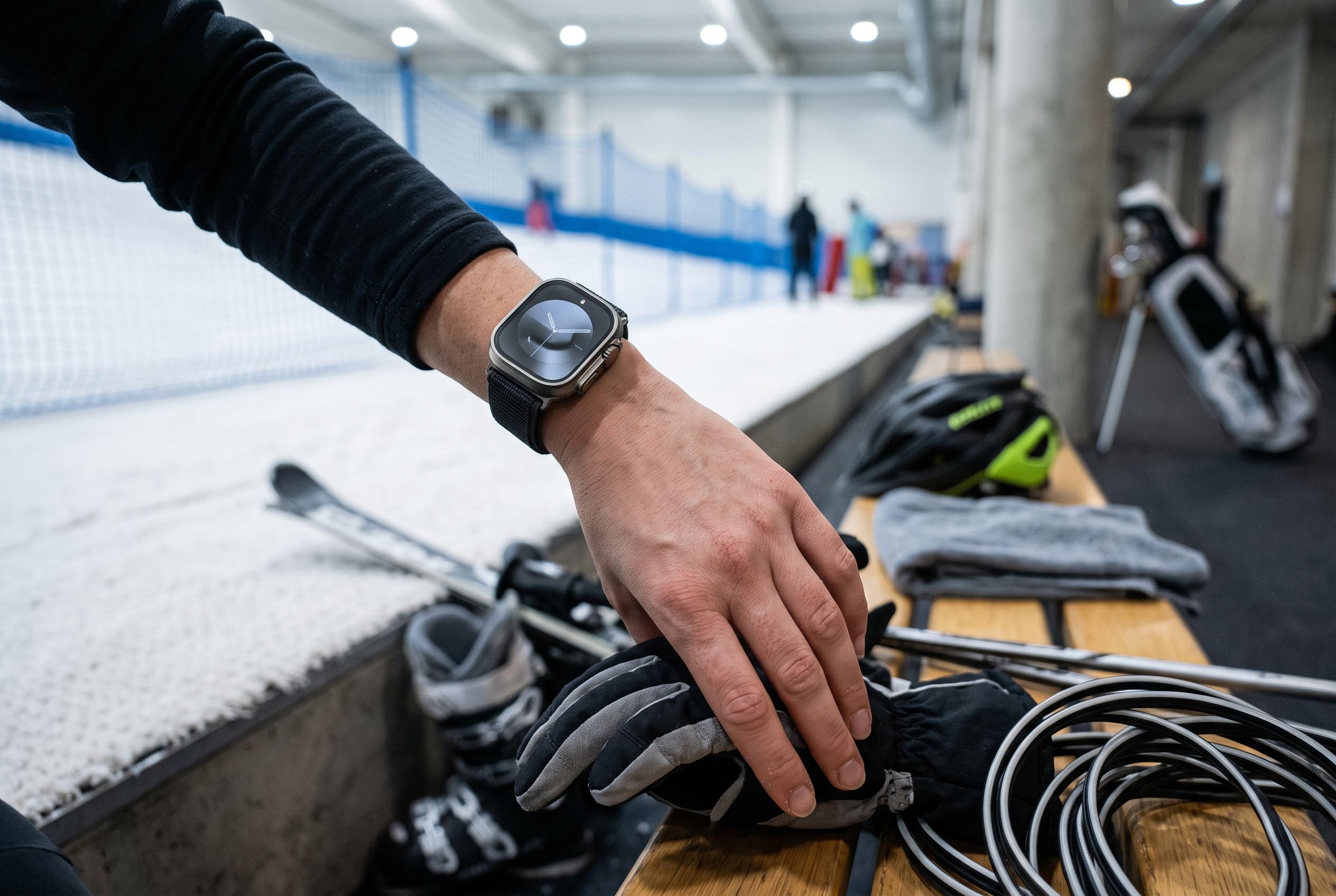
Huawei has pushed the Watch GT range further into specialist sport rather than general smartwatch convenience, making indoor skiing the signature addition on the new Watch GT 7 Pro unveiled in Munich on 2 September. The Pro model is already on sale in the UK and Spain, with Brazil due to follow on 9 September, and it arrives with premium materials plus a set of skiing, cycling and golf tools that are unusually targeted for a watch aimed at the mainstream market.
That shift matters because Huawei is launching from a stronger position in wearables than in previous cycles. La Vanguardia, citing IDC, said the company led the global wrist-worn device market in the first quarter of 2026 with a 20.2% share. The Watch GT 7 Pro sits above standard GT 7 models in 41 mm and 46 mm sizes, and it was introduced alongside the Watch D3 in what Expert Reviews and T3 both portrayed as one of Huawei’s largest wearable releases of the month.
Huawei is also being explicit about where the Pro badge is meant to count. Reports from Spain and the UK describe a 46 mm watch built around a titanium alloy body, a nanoceramic bezel and sapphire glass, while Notebookcheck noted that speakers, microphones, NFC, GNSS and Bluetooth 6.0 remain part of the standard specification. Battery claims stay aggressive at up to 21 days in light use, 12 days in regular use and seven days with the always-on display enabled. Notebookcheck also said the device first appeared in China at ¥2,688 before broader launch details were settled.
The main attempt to stand out, however, is in snow sports. La Vanguardia said Huawei was presenting the device as capable of measuring indoor skiing, a notable claim in a category still centred mainly on outdoor GPS exercise. Across reports in Spain and the UK, the watch is said to log slope gradient, speed, descent and run counts without GPS indoors, then extend that data outdoors with maps for more than 3,000 ski resorts, plus left and right turn tracking, turn frequency, turn radius, fall-line analysis and G-force estimates.
Cycling receives nearly as much attention. T3 reported that Huawei’s updated positioning system blends satellite navigation with accelerometer and gyroscope data when reception drops, with the aim of preserving route accuracy through tunnels or tree cover while easing GPS polling during very long sessions to conserve battery. AS/MeriStation added climb planning, gradient data, AI-based training analysis and audible or haptic warnings for sharp bends, indicating that Huawei wants the watch to offer active guidance rather than simply record a ride for later review.
Golf is another area where Huawei is trying to justify the higher price. Expert Reviews and AS/MeriStation reported slope-adjusted distance readings, automatic rotation of the green view and manual flagstick positioning, making the watch a more serious on-course aid than a basic score counter. The same launch also brought a Physical Readiness score and a morning summary built from sleep, heart-rate variability, emotions and activity, while mini workouts return as a lighter feature designed to encourage movement during the working day.
Those additions fit a broader software strategy in which Huawei is trying to turn raw health readings into something more immediately useful. Across the launch coverage, Health Insights is presented as a layer that interprets sleep, recovery and training rather than just listing measurements, while Curve Pay is being positioned as the route to contactless payments from the wrist in European markets. AS/MeriStation also reported that a two-year HUAWEI Care protection package is included in Spain, covering certain accidental damage and battery replacement if capacity falls below 85%, which is not a routine inclusion at this end of the market.
The commercial picture has also moved on since the earliest reports. Notebookcheck said international availability had not yet been confirmed when it first covered the watch, but UK outlets later put the Watch GT 7 Pro on sale from 2 September at £380, while Spanish coverage listed a €429 price from the same date. Canaltech reported that Brazil will follow on 9 September, with sales handled exclusively through Mercado Livre at a launch price of R$1,499 against an official R$2,499 list price, and that the standard Watch GT 7 will arrive there later.
Taken together, the launch suggests Huawei sees an opening between low-cost fitness devices and the most expensive adventure watches. The Watch GT 7 Pro remains a large 46 mm product and will not suit every wrist, yet the company’s pitch is more focused than before: long battery life, harder-wearing materials and sport modes that go beyond the usual running and step-counting brief. In a smartwatch market where many devices remain broad but shallow, Huawei is betting that deeper features for skiers, cyclists and golfers will matter more than one more layer of general-purpose software.
Disclaimer: This content is intended for informational purposes only. Readers are advised to exercise their own judgement, conduct due diligence, or consult a qualified expert before acting on any information provided.