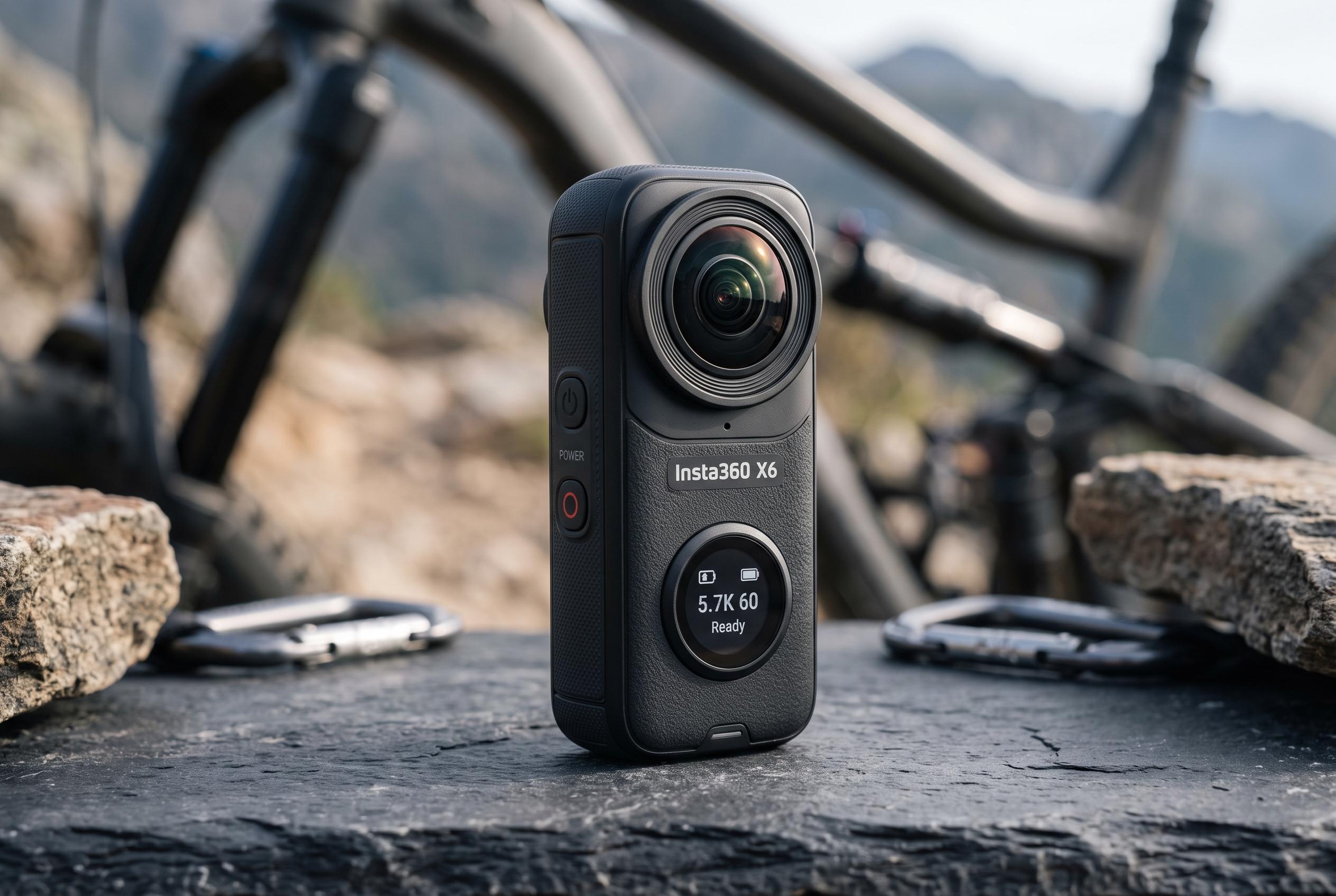

Insta360’s X6 introduces significant improvements over the X5, including larger sensors, higher resolution video, and enhanced durability, positioning it as a formidable choice for professionals and outdoor enthusiasts despite a higher price.
Insta360’s X6 does not reinvent the company’s 360 camera formula, but it does sharpen it in the places that matter most. TechRadar’s comparison with the X5 says the newer model is a clear step forward for image quality, battery life and professional video work, even if the older camera remains a strong all-rounder and may soon become the better value choice if discounts follow its loss of flagship status. The X5 had already set a high bar since its launch in spring 2025, where it established itself as TechRadar’s top 360 camera despite pressure from rivals such as DJI and GoPro.
The most important change is the move to larger 1/1.1-inch sensors in the X6, up from 1/1.28-inch sensors in the X5. That gives the newer camera more light-gathering ability, which TechRadar found most useful in low-light shooting rather than bright daylight. The X6 also raises the ceiling for 360 video to 8K at 50fps, compared with 8K at 30fps on the X5, and lifts still-photo resolution from 72MP to 120MP. The result is not a dramatic overhaul, but it is a genuine improvement, especially for users who care about cleaner detail and better noise control after dark.
Durability has also been pushed further. According to TechRadar, the X6 is IP68-rated and waterproof to 20m without a case, compared with 15m on the X5. With the official dive housings, both cameras reach 60m. Insta360 says the X6’s lenses are also more scratch-resistant and cheaper to replace than the X5’s. The body is shorter and lower in profile too, which should make it less cumbersome on helmets and other worn mounts. For users who shoot outdoors, travel frequently or work in rough conditions, those refinements are practical rather than cosmetic.
Battery life is another area where the X6 pulls ahead decisively. TechRadar reported a rated runtime of 140 minutes at 8K/30fps for the X6, versus 93 minutes for the X5, and its own testing closely matched that claim. The X5, by contrast, shut down from heat after 47 minutes in the same test conditions, while the X6 completed long recordings without overheating. The newer model also adds built-in storage, with 47GB usable space alongside a microSD slot, although it charges slightly more slowly than the X5.
For more serious editors, the X6 introduces features that go beyond consumer convenience. It supports 10-bit colour in every shooting mode, including low-light capture, whereas the X5 restricts that depth in its PureVideo mode. TechRadar also says the X6 is the first 360 camera to offer in-camera Dolby Vision and native DaVinci Resolve compatibility, provided Resolve 22 is available. That makes the X6 more attractive for users building a formal post-production workflow, not just quick social clips through the mobile app.
There are trade-offs. TechRadar said the X6’s companion app was unstable during testing, which makes the software experience harder to judge until retail units and updates settle in. Price is another issue: the X6 standard bundle starts at $669.99 in the US and £619 in the UK, which is a meaningful jump over the X5’s launch price of $549.99 and £519.99. Even so, TechRadar’s conclusion is straightforward: existing X5 owners do not need to rush to upgrade, but first-time buyers who can afford the extra cost are likely to be better served by the X6.
Disclaimer: This content is intended for informational purposes only. Readers are advised to exercise their own judgement, conduct due diligence, or consult a qualified expert before acting on any information provided.