
Med-El introduces its smaller, connectivity-enabled Sonnet 3 cochlear implant audio processor to India during CIGICON 2026, marking a significant advancement in clinical cochlear implant technology tailored to local healthcare pathways.
MED-EL has used CIGICON 2026 in Agra to bring its SONNET 3 cochlear implant audio processor to India, more than a year after the device was cleared by the US Food and Drug Administration and entered American commercial distribution. MED-EL’s professional events calendar lists CIGICON as running from 4 to 6 September 2026, indicating that the Indian debut was aimed squarely at surgeons, audiologists and other hearing-care specialists rather than a consumer showcase. (medel.pro)
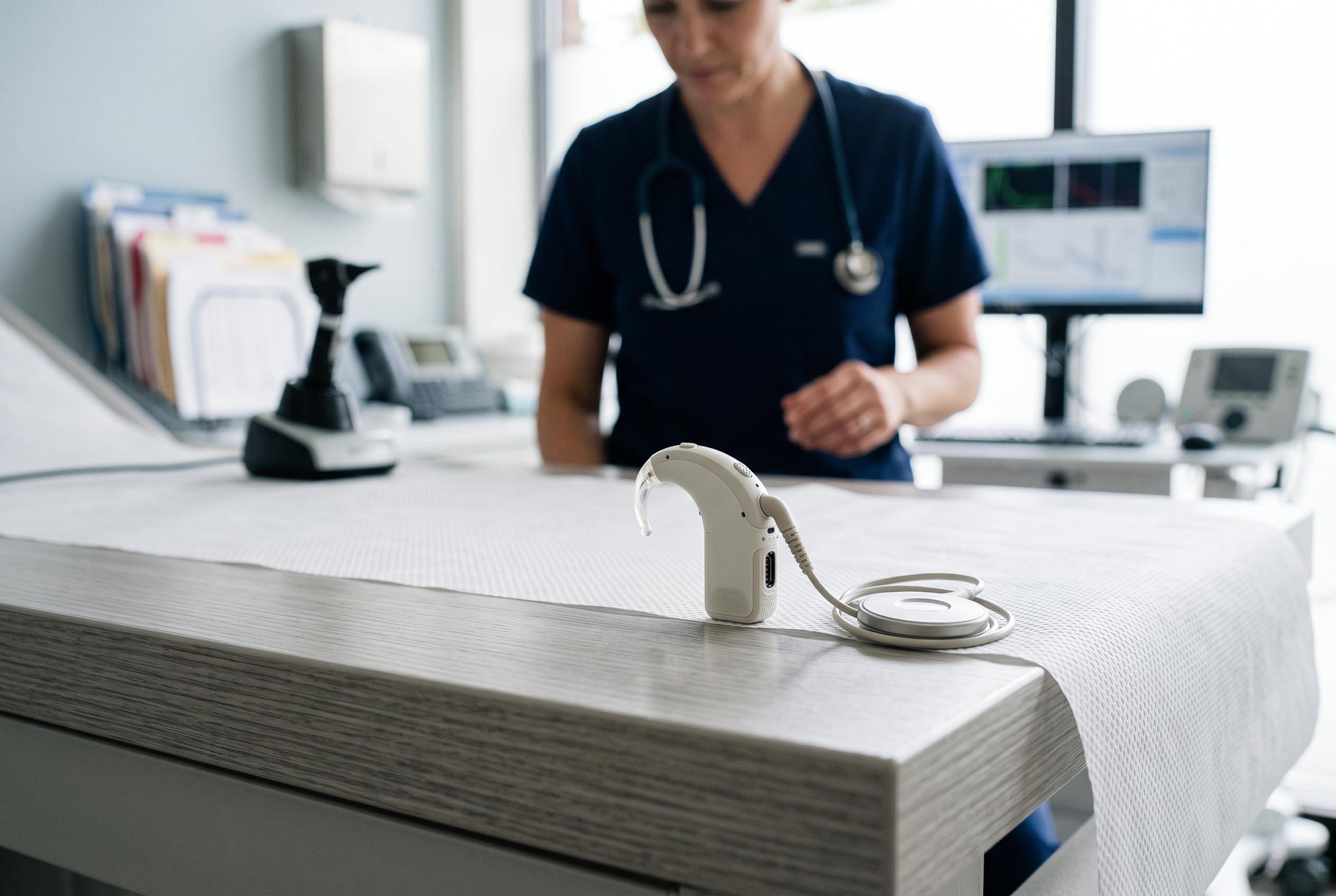
For recipients, the selling point is a smaller behind-the-ear unit with fewer add-ons. In its US launch material, MED-EL said SONNET 3 is 2.0g lighter and more than 18% shorter than SONNET 2 with AudioStream. The processor can take calls and music streamed directly from supported Apple and Android devices, and the company also says compatible smart TVs and digital media players can send audio straight to the unit. Other features highlighted by MED-EL include binaural streaming for some bilateral users, a Touch Key for programme changes, a flexible earhook and IP68 water protection. (medel.com)
The company has also tried to position SONNET 3 as a clinically useful upgrade, not simply a smaller processor. When MED-EL prepared the US launch for the American Cochlear Implant Association meeting in Boston in April 2025, Allison Racey, the group’s vice-president of clinical research, said: “ACIA is a great meeting for the cochlear implant community to further the goal of using clinical research to drive evidence-based practice,”. Amanda D. Sloop, a research assistant professor at the University of North Carolina’s department of otolaryngology/head and neck surgery, said the new unit answered long-standing demands for a processor that was smaller, more comfortable, more durable and capable of direct streaming. Sessions at that meeting also focused on single-sided deafness, OTOPLAN-guided electrode selection and early feedback from SONNET 3 users. (hearinghealthmatters.org)
CIGICON offered a logical venue. The Cochlear Implant Group of India says it was formed in November 2024, is registered under the Karnataka Societies Registration Act and brings together ENT surgeons, audiologists and rehabilitationists working in cochlear implantation. MED-EL India, announcing the launch, argued that “technology alone cannot transform outcomes” and linked the processor to a longer pathway of diagnosis, surgery, rehabilitation and follow-up. That framing matters in India, where access to specialist care, parental acceptance, surgical capacity and rehabilitation still affect how widely cochlear implants are taken up, especially by children. (cigicon2026agra.com)
The US regulatory record adds a more technical layer. An FDA summary for the MED-EL Cochlear Implant System lists SONNET 3 (EAS) among the approved audio processors and says it can be fitted using the MAX Programming Interface, MAESTRO 10 and above, HearCare MED-EL and AudioKey 3 and above. The same document says the agency’s decision on expanded paediatric indications for the system drew on a prospective study arm covering 38 children implanted at five sites, alongside a retrospective dataset of 209 children. That does not amount to an India-specific clinical assessment, but it shows the processor sits within a heavily regulated, software-linked treatment platform. (accessdata.fda.gov)
The rollout has therefore been staggered across markets. In the US, MED-EL said in February 2025 that availability was expected in early 2025, and the company used the ACIA meeting in Boston from 30 April to 3 May 2025 as its formal launch setting. The same US announcement said patients who received a MED-EL cochlear implant from 1 September 2024 could exchange one processor for SONNET 3 through the TechSwap programme, while a device registry entry published on 26 February 2025 already marked a SONNET 3 kit as being in commercial distribution. India’s September 2026 debut arrives later, but it places the processor before a clinician audience at a time when connectivity, fitting flexibility and long-term support are all central to cochlear implant care. (medel.com)
Disclaimer: This content is intended for informational purposes only. Readers are advised to exercise their own judgement, conduct due diligence, or consult a qualified expert before acting on any information provided.