
OPPO has unveiled the Find X10 series with Hasselblad imaging, 144Hz LTPO OLED displays, 8,000mAh batteries and ColorOS 17, led by the Pro Max’s triple-200MP rear camera system.
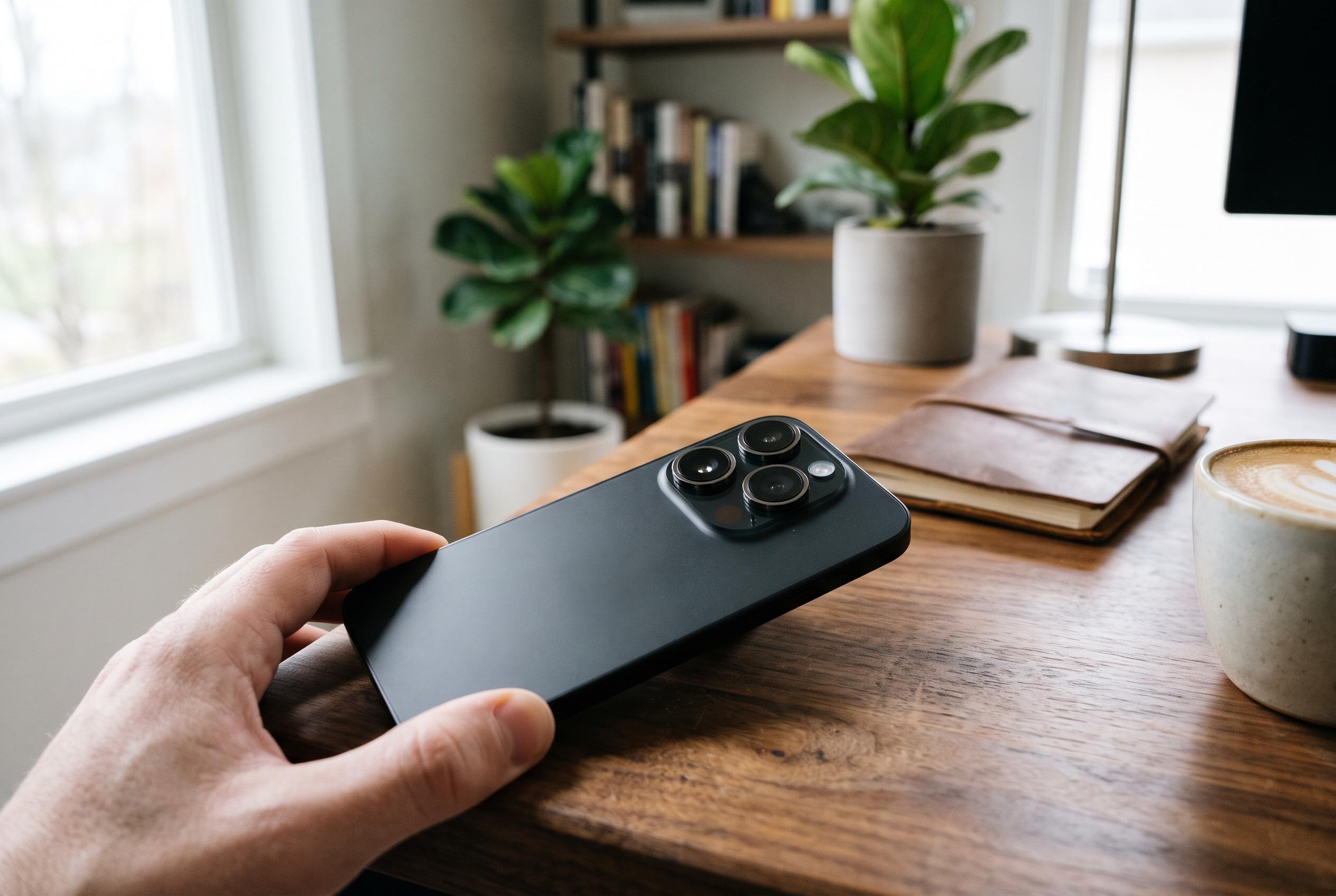
OPPO is moving its Find X10 family into the spotlight with a launch that puts camera hardware at the centre of the pitch. The company has announced the global debut of the Find X10 and Find X10 Pro Max, framing both phones as premium flagships built around Hasselblad co-engineered imaging, larger batteries, faster displays and ColorOS 17. The series follows a familiar pattern for high-end Android launches, but OPPO is leaning more aggressively than usual on specification depth, particularly in photography. According to the company’s announcement, the Pro Max carries an industry-first triple 200MP rear camera system, while the standard model uses a dual 200MP setup.
The camera divide is the clearest distinction between the two handsets. The Find X10 pairs two 200MP sensors with a 50MP ultrawide camera and a 50MP front camera, while the Find X10 Pro Max adds a third 200MP sensor and keeps the same 50MP selfie camera. OPPO says both devices use its LUMO True Image Engine, designed to improve colour handling and computational photography. TechRadar’s early review of the Pro Max says the triple 200MP array extends across the main, ultrawide and telephoto modules, giving the phone an unusually broad imaging specification even by flagship standards.
Display hardware is another area where OPPO is clearly targeting premium buyers. Both phones use flat LTPO OLED panels with a 144Hz refresh rate and a quoted peak local brightness of up to 3,600 nits. The standard Find X10 has a 6.59-inch screen, while the Pro Max stretches to 6.78 inches. That combination should matter most to users who care about fluid scrolling, gaming responsiveness and outdoor visibility. Review coverage from TechRadar also points to professionally tuned colour output on the Pro Max, reinforcing OPPO’s message that this is a camera phone first, but not a compromise elsewhere.
Power and battery life are equally ambitious. The China-market versions listed in the source material use MediaTek’s Dimensity 9600M in the Find X10 and Dimensity 9600 Pro in the Find X10 Pro Max, paired with 8,000mAh batteries. Both support 80W wired charging and 50W wireless charging. TechRadar’s reporting adds an important regional caveat: battery capacity can differ by market, with lower figures in some regions, which means buyers should not assume the specifications announced for one territory will necessarily carry over unchanged to another. That point is especially relevant for anyone comparing launch material with later retail listings.
OPPO is also positioning the Find X10 series as part of a broader software and ecosystem push. Both phones run ColorOS 17 based on Android 17 and include a customisable Snap Key on the left side of the frame for shortcuts such as camera access and AI Mind Space. The company is pairing the phones with other hardware too, including the Pad Mini tablet and Enco X4 earbuds, which suggests the launch is intended to strengthen OPPO’s wider premium ecosystem rather than simply refresh its flagship phone line.
Pricing remains the least certain part of the picture. The source material includes leaked figures for the Indian market, but those should be treated cautiously until OPPO confirms official retail prices. Reuters-style reporting on premium Android launches has often shown how widely early estimates can differ from final local pricing, and the Find X10 family is likely to follow that pattern once taxes, storage options and regional configurations are finalised. For buyers outside India, and particularly in import-driven markets, after-sales support, warranty coverage and authorised availability may matter as much as the headline specification sheet.
Taken together, the Find X10 and Find X10 Pro Max show how far smartphone makers are still willing to push hardware differentiation at the top end. OPPO is not relying on a single standout feature. Instead, it is combining very large sensors, bright high-refresh displays, heavy battery capacity and a full software refresh to make the case for a new premium tier. The Pro Max is the more extreme device, with its triple 200MP camera array and larger panel, but the standard Find X10 is still positioned as a serious flagship rather than a trimmed-down alternative. The real test, once the phones reach stores, will be whether the final regional pricing and software experience match the scale of the specification list.
Disclaimer: This content is intended for informational purposes only. Readers are advised to exercise their own judgement, conduct due diligence, or consult a qualified expert before acting on any information provided.