
Oura’s fifth-generation ring improves on size and features, blending jewellery aesthetics with advanced health tracking and software updates, though ongoing subscriptions remain a consideration.
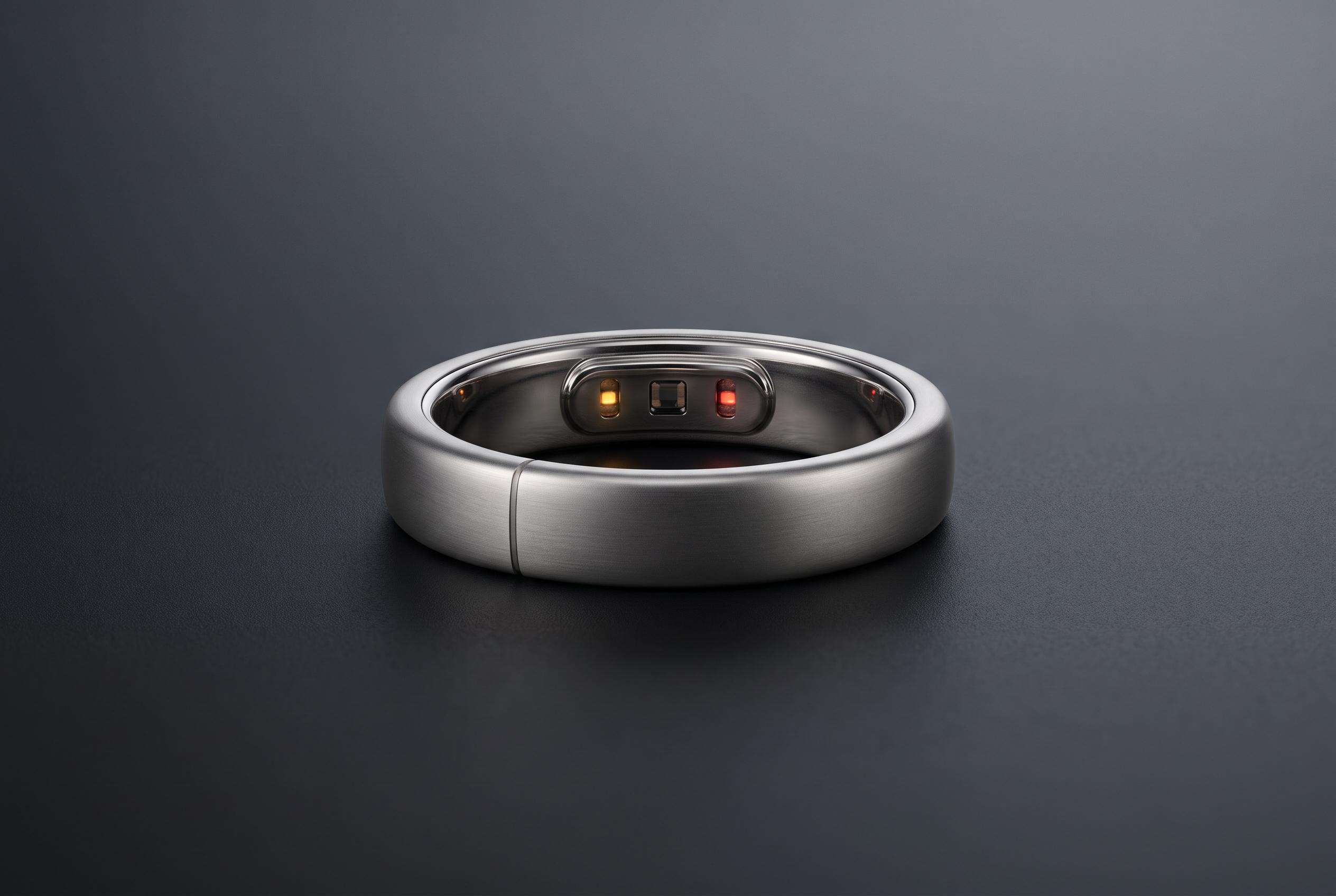
Oura’s fifth-generation ring is a clear refinement rather than a reinvention, but the change is meaningful: the company has made its most discreet wearable noticeably slimmer while keeping the core appeal intact. WiFiHifi’s review says the Oura Ring 5 feels more like jewellery than a gadget, and official product material confirms that the new model is built from titanium and designed to withstand everyday wear, including water exposure. The ring is available in sizes 6 to 13, with a range of finishes.
That reduced profile is not only cosmetic. Oura says the new sensor layout, stronger LEDs and revised signal architecture are intended to improve skin contact and reading quality across a wider range of fingers and skin tones. MacRumors reported that the ring is 40% smaller than its predecessor, yet still delivers roughly a week of battery life, a claim that lines up with WiFiHifi’s own finding that endurance has improved rather than suffered.
In use, the software remains the main reason to buy into the platform. WiFiHifi found the tracking highly accurate for sleep, vitals and workouts, with automatic activity detection standing out as especially reliable for lower-motion exercise such as Pilates. Tom’s Guide also said the ring’s sleep tools can be genuinely useful in shaping routines, pointing to bedtime guidance, circadian insights and mindfulness features as practical additions rather than decorative extras.
There are, however, familiar trade-offs. Oura still expects most users to pair the hardware with a subscription, and WiFiHifi noted that the monthly fee is a sticking point for buyers comparing it with rival rings that do not charge ongoing access costs. In a separate comparison, Tom’s Guide found the Oura Ring 5 and Garmin’s screenless Cirqa produced broadly similar sleep data over ten days, although Oura more consistently captured awake time before sleep, reflecting the user’s phone habits.
Taken together, the Oura Ring 5 looks like the strongest version of Oura’s idea so far: smaller, more polished and still very capable. Healthline reported that Oura is also expanding the platform’s software layer with more than 50 metrics and newer health features, including GLP-1-related insights, which suggests the company is trying to justify the recurring cost through deeper analysis rather than hardware alone. For buyers who want a sleek ring first and a fitness device second, it remains one of the most convincing options on the market.
Disclaimer: This content is intended for informational purposes only. Readers are advised to exercise their own judgement, conduct due diligence, or consult a qualified expert before acting on any information provided.