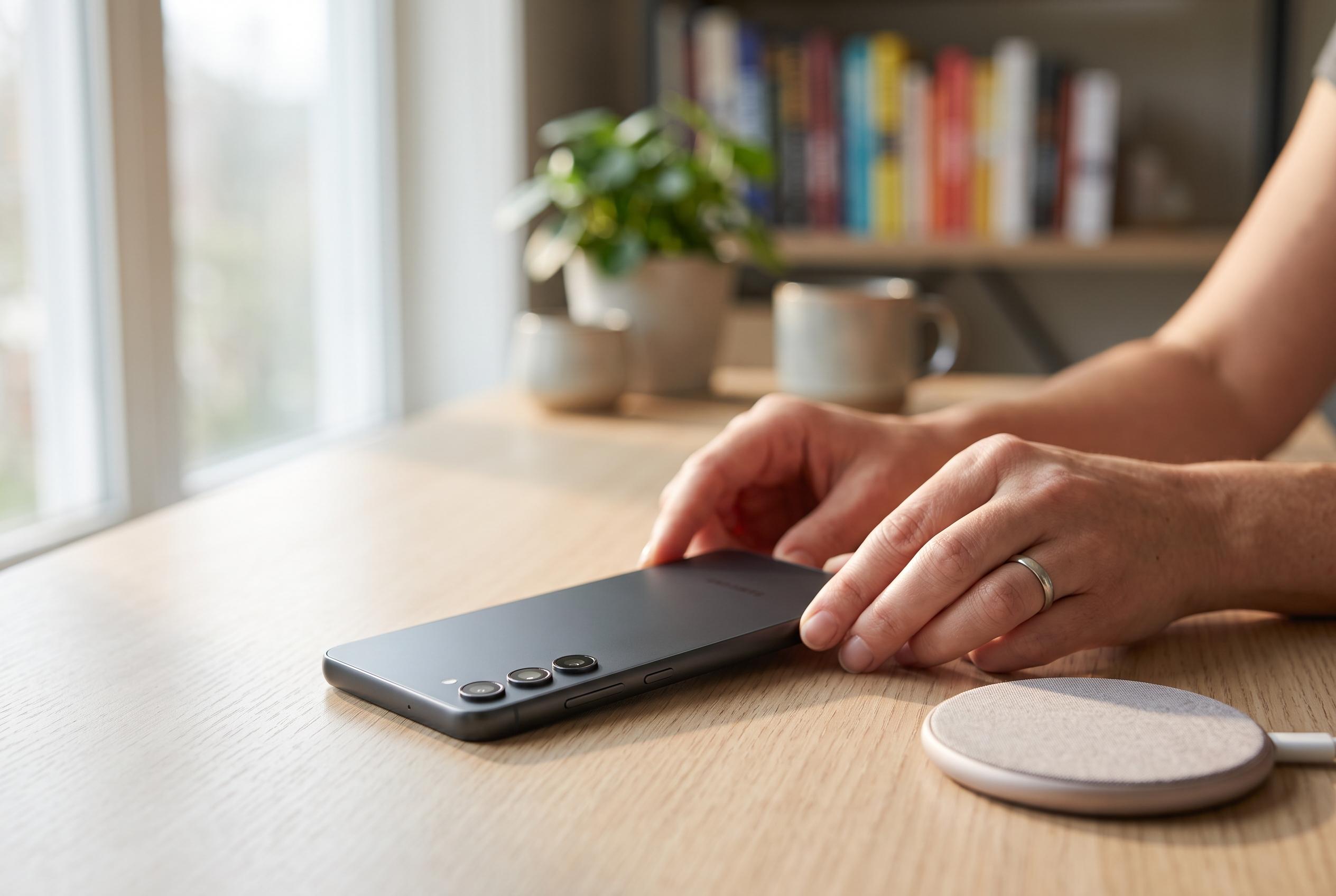

Samsung’s Galaxy S26 FE maintains its reputation for delivering flagship features at a lower cost, with refinements in design, display, and software support, though hardware updates remain modest for 2026.
Samsung’s Galaxy FE line has long been built around a clear idea: deliver much of the flagship experience at a lower cost. The Galaxy S26 FE follows that formula closely, pairing a 6.7-inch AMOLED display, triple rear cameras, wireless charging, IP68 protection, Galaxy AI features and long-term software support with a design that will look familiar to anyone who has used a recent Samsung phone. The result is a device that feels polished and capable, even if it is not a dramatic reinvention. According to early reviews, Samsung has chosen evolution over overhaul, keeping the overall proposition close to the previous generation while updating the chipset and software stack. TechSpot also notes that the higher launch price makes the phone harder to recommend without discounts.
Physically, the phone strikes a sensible balance between size and handling. SamMobile says the handset uses Gorilla Glass Victus+ on both sides with an aluminium frame, while keeping the profile to 7.4mm and the weight to 193g. That makes it slender for a device with a large display, and the IP68 rating adds the level of durability buyers now expect in this class. The design language is recognisably Samsung, but the camera layout has been tweaked enough to distinguish it from the previous FE model. Digital Camera World says the revised camera island and glossy finishes give the phone a slightly fresher appearance, even if the wider shape remains familiar.
The display remains one of the S26 FE’s strongest assets. Samsung’s 6.7-inch Dynamic AMOLED 2X panel uses FHD+ resolution and a 120Hz refresh rate, which is enough to keep scrolling smooth and text sharp without pushing battery demands too far. The panel is also bright, with a peak rating of 1,900 nits, making outdoor use more practical than on many mid-range phones. Notebookcheck describes the screen as a bright 120Hz AMOLED panel, and 91Mobiles praises its size and fluidity. Samsung has not moved to more advanced LTPO technology here, so this is still a conventional high-refresh display rather than a variable-rate flagship panel, but for most buyers it remains an easy screen to like.
The camera system is more about usefulness than spectacle. Samsung combines a 50MP main sensor with optical stabilisation, a 12MP ultrawide camera and an 8MP telephoto lens with 3x optical zoom. In practice, the main camera produces clean, balanced images with solid dynamic range, while the telephoto adds genuinely useful reach instead of existing only to fill out the specification sheet. The ultrawide is less detailed than the primary camera, but keeps colour fairly consistent. Reviewers cited by Digital Camera World say Samsung has also improved stabilisation, zoom and night video behaviour through software, while 91Mobiles highlights good daylight results. That said, the hardware itself is broadly unchanged from the last generation, which means the S26 FE is competing more on tuning and software than on fresh camera parts.
Performance is led by the Exynos 2500, Samsung’s newer 3nm chip. For normal use, the phone feels fast and responsive, handling multitasking, social media, photography and video without strain. The 8GB of RAM is adequate, though not especially generous for a 2026 device at this level. Gaming is also viable, but sustained heavy workloads can still produce heat and inconsistent frame rates, which leaves dedicated gaming phones and some rivals ahead for long sessions. Notebookcheck and TechSpot both point to the same broader issue: the S26 FE is competent, but much of its hardware foundation is close to what came before. That matters because Samsung has not used the Exynos upgrade to radically change the experience.
Software support remains one of the phone’s clearest strengths. The S26 FE runs Android 17 with One UI 9, and Samsung’s long update commitment gives it an unusually long useful life for a mainstream Android handset. Samsung says buyers will get seven generations of Android upgrades and seven years of security patches, which is a meaningful selling point for anyone who keeps a phone for several years. Galaxy AI features such as Photo Assist, Now Brief, Now Nudge and Gemini integration help the device feel current rather than stripped back. The trade-off is familiar Samsung software baggage: One UI is feature-rich, but it is not the lightest interface available, and the phone arrives with enough pre-installed services to require some tidying.
Battery life is respectable rather than class-leading. The 4,900mAh cell is unchanged, and Samsung pairs it with 45W wired charging, 15W wireless charging and Wireless PowerShare. Independent hands-on testing reported by WalasTech found around 8 hours and 40 minutes of screen-on time in mixed use, while a PCMark battery score of 16 hours and 54 minutes suggests solid endurance for a phone with this capacity. The move to USB 2.0 over USB-C is a more significant compromise, especially because it removes wired DeX and slows wired file transfers. For most people, that will not matter day to day. For power users, it is one of the device’s more visible cuts. In the wider market, that balance of premium features and obvious compromises explains the S26 FE’s position: an appealing Samsung phone for mainstream buyers, but not the obvious choice for users prioritising the fastest charging, the best sustained performance or the newest camera hardware.
Disclaimer: This content is intended for informational purposes only. Readers are advised to exercise their own judgement, conduct due diligence, or consult a qualified expert before acting on any information provided.