
Samsung’s latest Galaxy Z Fold8 introduces a deliberate foldable design tailored for varied usage, enhancing mobile entertainment and productivity with two distinct screens and improved usability.
Samsung’s Galaxy Z Fold8 appears to be the point at which the foldable format finally starts to feel deliberate rather than experimental. According to the official product information and hands-on coverage, the phone has been shaped around how people actually use mobile devices: a compact outer screen for quick tasks, and a larger inner display for sustained viewing, reading and gaming. The result is a device that makes a stronger case as an entertainment machine than earlier generations of foldables. The 201-gram weight also helps, since this is light enough to feel far closer to a normal flagship handset than a pocketable tablet.
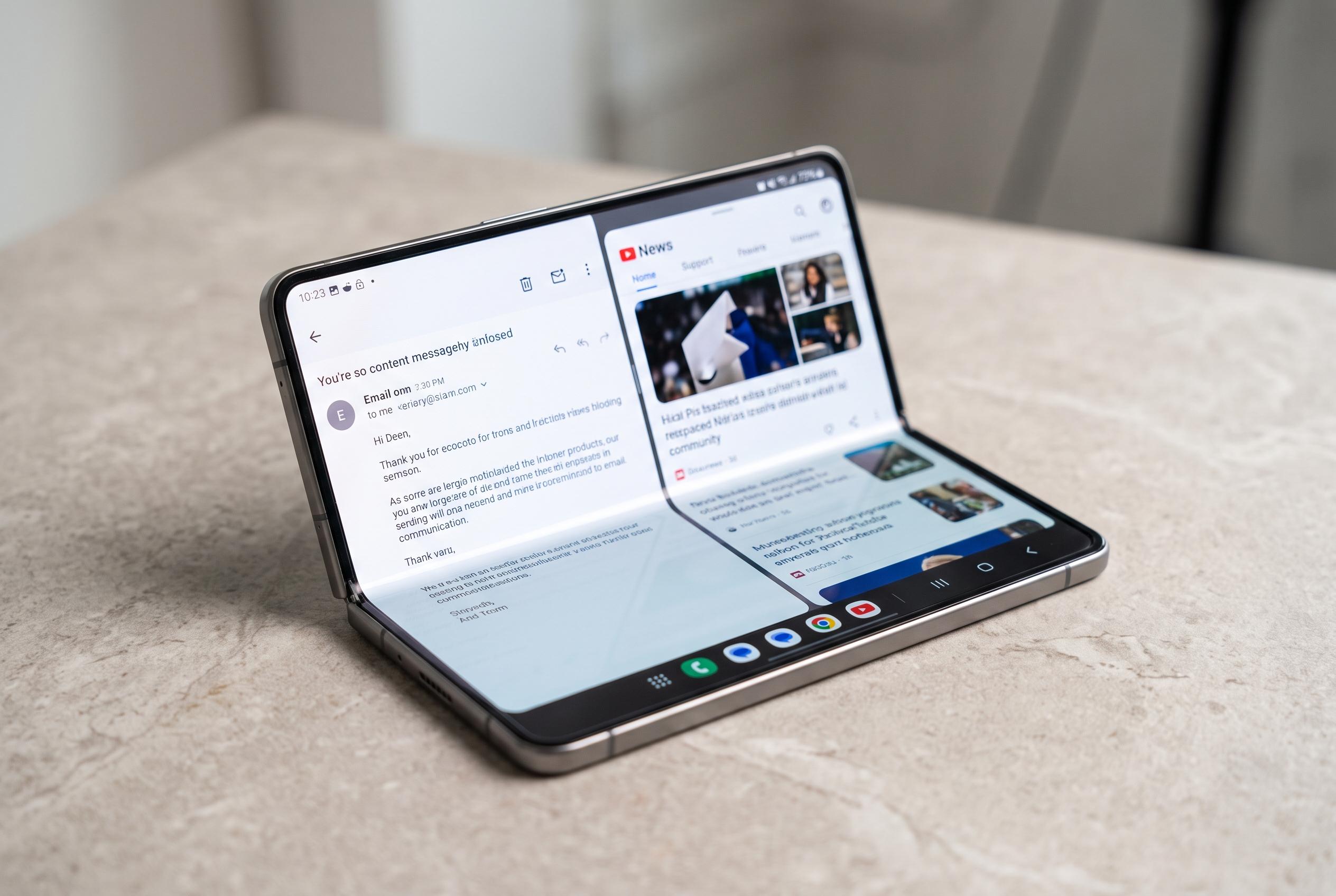
The key change is the split between the two displays. Samsung’s 5.5-inch cover screen uses a tall 10:16 layout that suits short-form video, messaging and browsing without needing to unfold the device, while the 7.6-inch main panel uses a squarer 4:3 shape intended for longer sessions. That distinction matters because it acknowledges two very different kinds of phone use: fast, one-handed interaction on the outside, and more settled consumption on the inside. SamMobile’s hands-on report said the wider cover display makes the phone easier to live with day to day, while the inner screen is better suited to entertainment and productivity.
That inner display is where the Fold8 most clearly separates itself from a conventional smartphone. Samsung says the battery is rated for up to 26 hours of video playback, and the official material also puts peak brightness at 3,000 nits, which should help when watching or reading outdoors. In practice, black bars will still appear on most films because contemporary video is rarely made in a 4:3 format, but the larger canvas still changes the viewing experience. The same is true for books, web pages and digital magazines, which feel more natural on a square-ish panel than on a traditional tall phone screen.
Gaming is another area where the hardware appears well matched to the form factor. The Snapdragon 8 Elite Gen 5 for Galaxy gives the Fold8 the performance headroom needed for demanding titles, while the larger display makes touch controls and on-screen menus less cramped. Smartprix noted that the screen size and reduced crease visibility improve usability, though optimisation will still determine how well individual games take advantage of the unusual shape. Samsung’s own positioning, backed by launch reporting from SamMobile, frames the device as a media-first foldable rather than a generic productivity tool.
There are still compromises. Android Central cautioned that the Fold8 remains expensive, that its camera system is not class-leading and that it does not support the S Pen, which may matter to buyers who want note-taking or precision input. Even so, the broader direction is clear. Samsung is no longer selling the Fold purely as a bigger phone that happens to fold. It is presenting a device whose outer and inner screens are designed for different kinds of behaviour, and that makes the Fold8 feel more coherent than many earlier attempts at the category.
Disclaimer: This content is intended for informational purposes only. Readers are advised to exercise their own judgement, conduct due diligence, or consult a qualified expert before acting on any information provided.