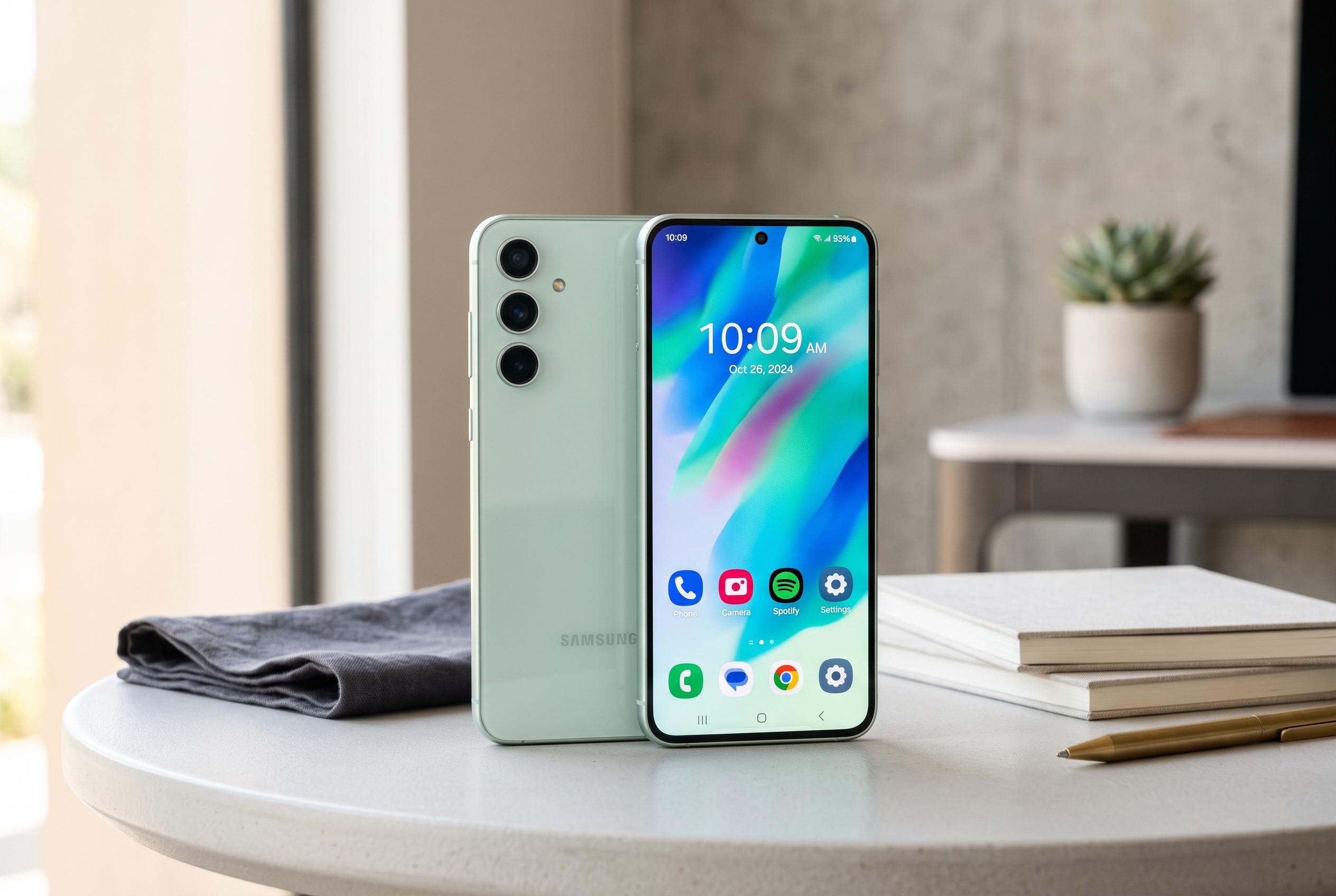

Samsung, Lava, and Huawei reveal new devices with brighter screens, enhanced AI, and premium materials, intensifying the race in the mid-range tech market.
Samsung’s next Fan Edition handset is being positioned as a value-driven addition to the premium mid-range market, while Lava has now formally unveiled the Agni 4 in India, adding a second device to a wave of recent launches that lean heavily on faster displays, larger batteries and AI software. Huawei’s new GT 7 Pro smartwatch sits in the same pattern: more sensors, brighter screens and broader connectivity, but at a price that still targets a wider audience.
According to leaked specifications carried by PhoneArena, the Galaxy S26 FE is expected to use a 6.7-inch Dynamic AMOLED display with a 120Hz refresh rate, IP68 protection and Corning Gorilla Glass Victus+. The same report says Samsung is likely to pair the phone with the Exynos 2500 chip, 8GB of RAM and storage options of 128GB or 256GB, while Android 17 and up to seven OS upgrades are also being discussed. The camera set-up is said to include a 50-megapixel main sensor, a 12-megapixel ultra-wide lens and an 8-megapixel telephoto unit with 3x optical zoom, alongside a 12-megapixel front camera capable of 4K video at 60 frames per second.
By contrast, Lava has already taken the Agni 4 public. Business Standard reported that the phone uses MediaTek’s Dimensity 8350 processor, 8GB of LPDDR5X memory and 256GB of storage, with Android 15 installed at launch. It also brings a 6.67-inch 1.5K AMOLED panel, a 120Hz refresh rate and peak brightness of 2,400 nits. The rear camera array combines a 50-megapixel main sensor with an 8-megapixel ultra-wide lens, while the front camera is a 50-megapixel unit. Lava is also highlighting its Vayu AI assistant, a 66W wired charging system and colour options that include Phantom Black and Lunar Mist.
Huawei’s GT 7 Pro follows a similar formula in wearable form. The company says the watch uses a titanium frame, an AMOLED display measuring 1.47 inches and rated at 3,000 nits, plus IP69 resistance and 64GB of internal storage. It also includes sensors for heart rate, blood pressure, blood oxygen and body temperature, along with Bluetooth 6.0, NFC, satellite positioning and a 867mAh battery with 10W wireless charging. Huawei is pricing it at around €380, which places it in the upper mid-tier of the smartwatch market.
Taken together, the leaked Samsung details, Lava’s launch and Huawei’s new watch suggest that hardware makers are still competing on the same core features: brighter screens, quicker charging, stronger durability and more on-device AI. The differences are in scale and pricing, with Samsung’s FE line aiming to bring flagship-style features down the range, Lava trying to establish itself with aggressive specifications and Huawei leaning on health tracking and premium materials.
Disclaimer: This content is intended for informational purposes only. Readers are advised to exercise their own judgement, conduct due diligence, or consult a qualified expert before acting on any information provided.