
Samsung launches the Galaxy Watch Ultra2 and Galaxy Watch9, redefining wearable tech with a focus on continuous health monitoring, fitness coaching, and preventative insights, marking a shift from traditional smartwatch features.
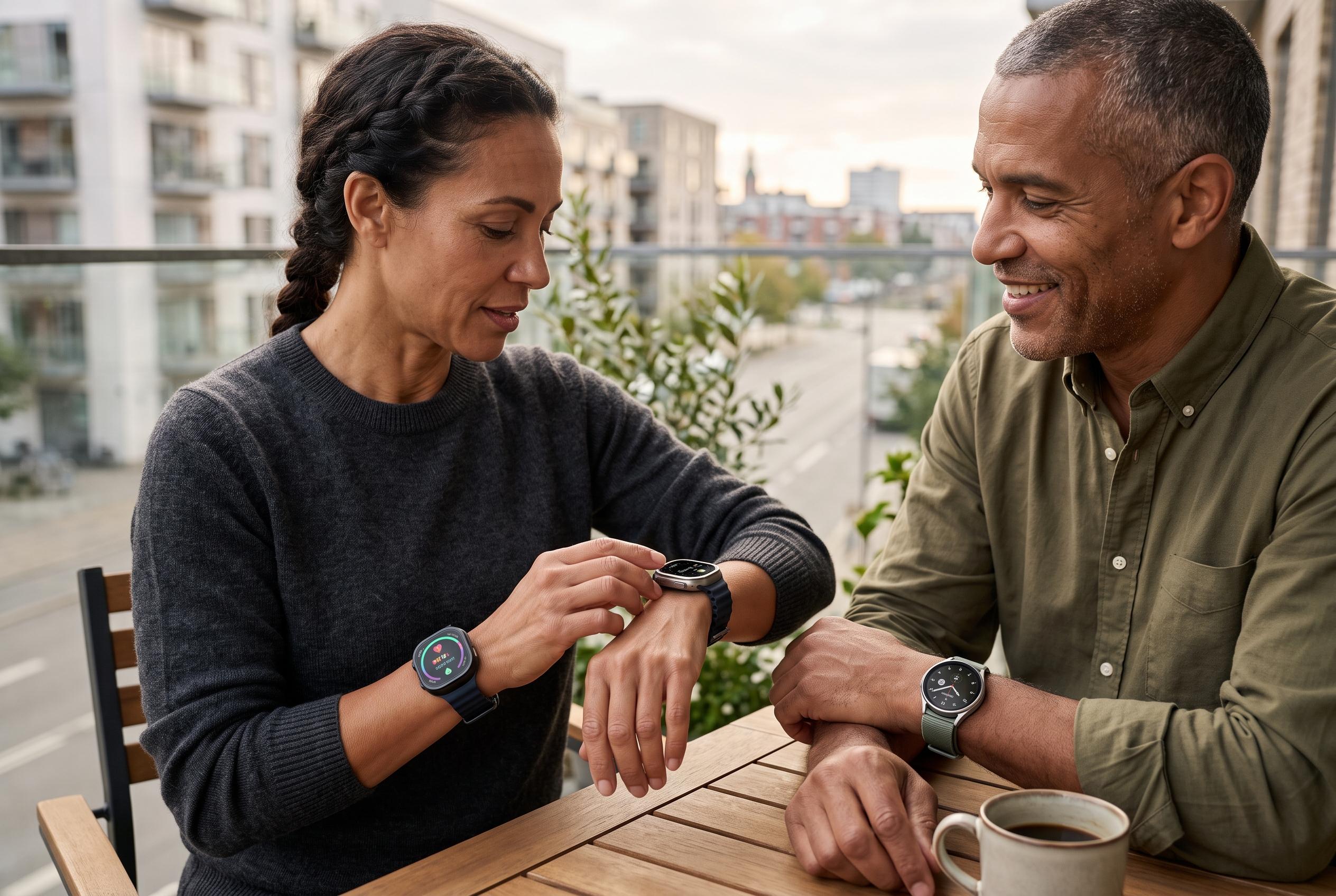
Samsung is pushing its latest watches further into the wellness space, positioning the Galaxy Watch Ultra2 and Galaxy Watch9 as devices built not just for workouts but for day-to-day health management. In Samsung Newsroom’s new videos, the company frames the two models as tools for runners, sleepers and anyone looking for more continuous health monitoring rather than occasional check-ins.
The Galaxy Watch Ultra2 is aimed at more demanding training. According to Samsung’s product information, it includes Trail Run mode to help runners keep pace across changing terrain, while also adding cycling metrics such as cadence, power and speed. The watch also carries safety features including an 86-decibel siren, fall detection and emergency SOS, and it can connect with Strava for workout tracking.
The Galaxy Watch9 takes a broader everyday-wellness approach. Samsung says it offers sleep monitoring, energy scoring, sleep coaching and sleep apnoea risk detection, alongside continuous heart-health tracking, blood pressure estimation and vital signs monitoring. It also includes a Fitness Index, running coach programmes and daily cardio load tracking, with integrations for Strava and iFIT.
Coverage from Tom’s Guide and Android Central suggests the Watch9 is a more iterative hardware refresh, keeping a similar design to the Watch8 while moving to Qualcomm’s Snapdragon Wear Elite chip and slightly larger batteries. Both outlets reported a starting price of $379 for the 40mm model, with the 44mm version priced higher, and said Samsung has leaned heavily on software features such as Vitals, Heart Health Score and Fitness Index to make the new generation stand out. That points to a familiar strategy: modest changes in appearance, but a heavier emphasis on health data, personal coaching and preventative insights.
Disclaimer: This content is intended for informational purposes only. Readers are advised to exercise their own judgement, conduct due diligence, or consult a qualified expert before acting on any information provided.