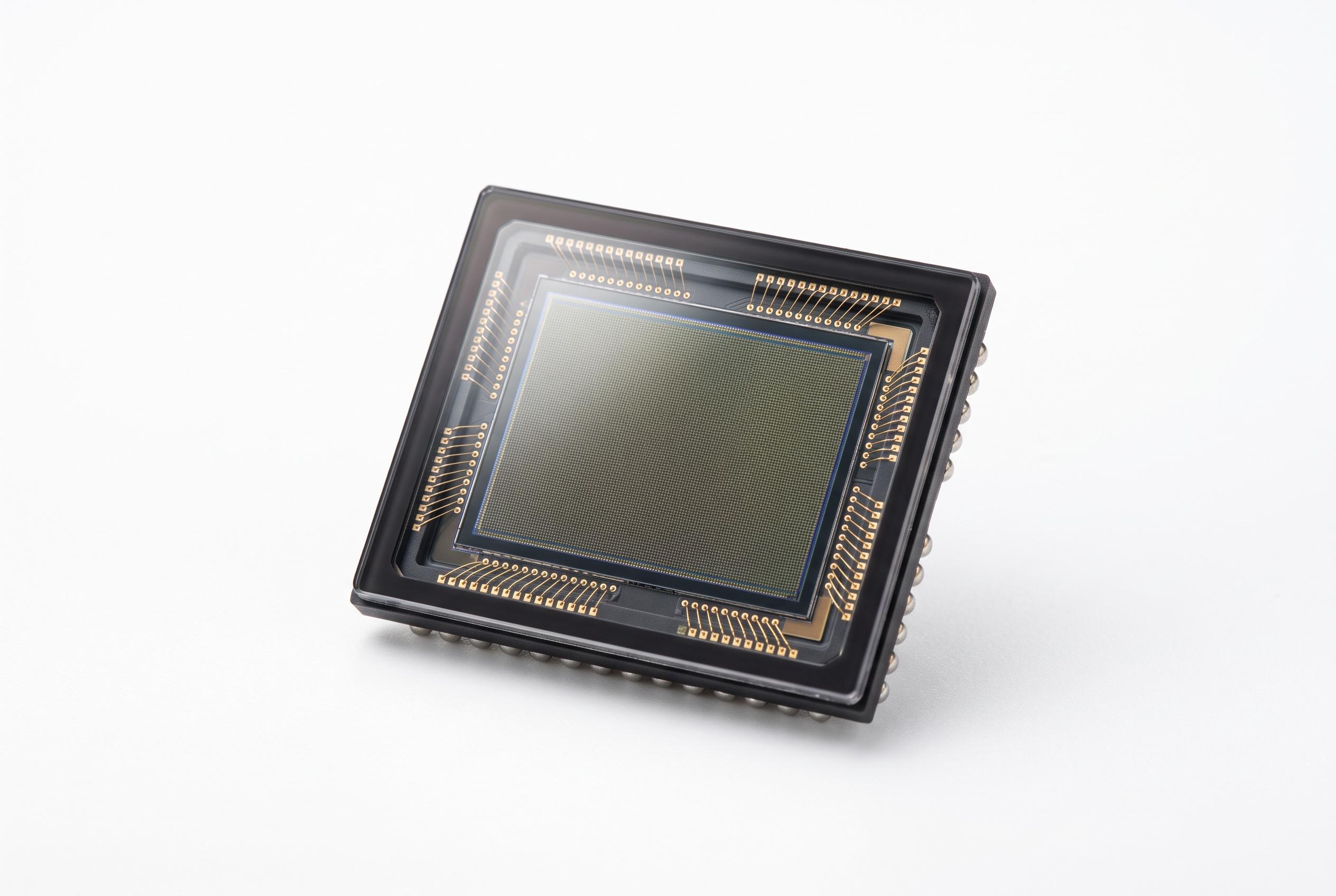

Samsung has launched the ISOCELL HPC, a 200-megapixel mobile image sensor with significant improvements in HDR, light collection, and video capture, aiming to redefine high-end smartphone photography.
Samsung has introduced the ISOCELL HPC, a 200-megapixel mobile image sensor aimed at flagship smartphones and other handset cameras. The company says the new chip is already in mass production and is designed to push resolution, low-light performance and video capture further than earlier 200MP parts in its lineup. Samsung also says the sensor uses its latest DeepPix pixel technology, which increases full well capacity by 60% versus the previous generation, helping the sensor collect more light while cutting noise and keeping detail in bright and dark areas.
The sensor’s main technical step forward is single-frame 16-bit HDR, which Samsung says can deliver up to four times more colour information than conventional HDR. It also preserves HDR processing across 1x, 1.5x, 2x, 3x and 4x in-sensor zoom, which matters because many smartphone cameras lose tonal range as they crop into the sensor. Samsung says the chip also uses High Precision Microlens and High Transmittance ARL layers to improve light capture and reduce reflection and scattering before light reaches the photodiode.
In practical terms, the ISOCELL HPC is a 1/1.3-inch sensor with 0.6μm pixels and a maximum output of 16,384 by 12,288 pixels. It uses a Tetra²pixel RGB Bayer pattern and Super QPD autofocus. Samsung says the device can record 8K video at 30 frames per second, 4K at 180fps and Full HD at 360fps without autofocus. Those specifications put it among the most aggressive mobile image sensors announced by the company, especially for users who want high-resolution stills and very fast motion capture.
The launch also underscores how quickly Samsung’s 200MP sensor portfolio has evolved. The company’s earlier ISOCELL HP2, used for premium smartphones, focused on low-light gains and 8K video at 30fps, while the ISOCELL HP3 brought a smaller 0.56μm pixel and a 1/1.4-inch format, with Samsung emphasising compactness and mass production. By comparison, the new HPC appears to sit closer to the high-end of that range, with a larger optical format, stronger HDR ambitions and a sharper focus on image quality rather than sheer module miniaturisation.
Disclaimer: This content is intended for informational purposes only. Readers are advised to exercise their own judgement, conduct due diligence, or consult a qualified expert before acting on any information provided.