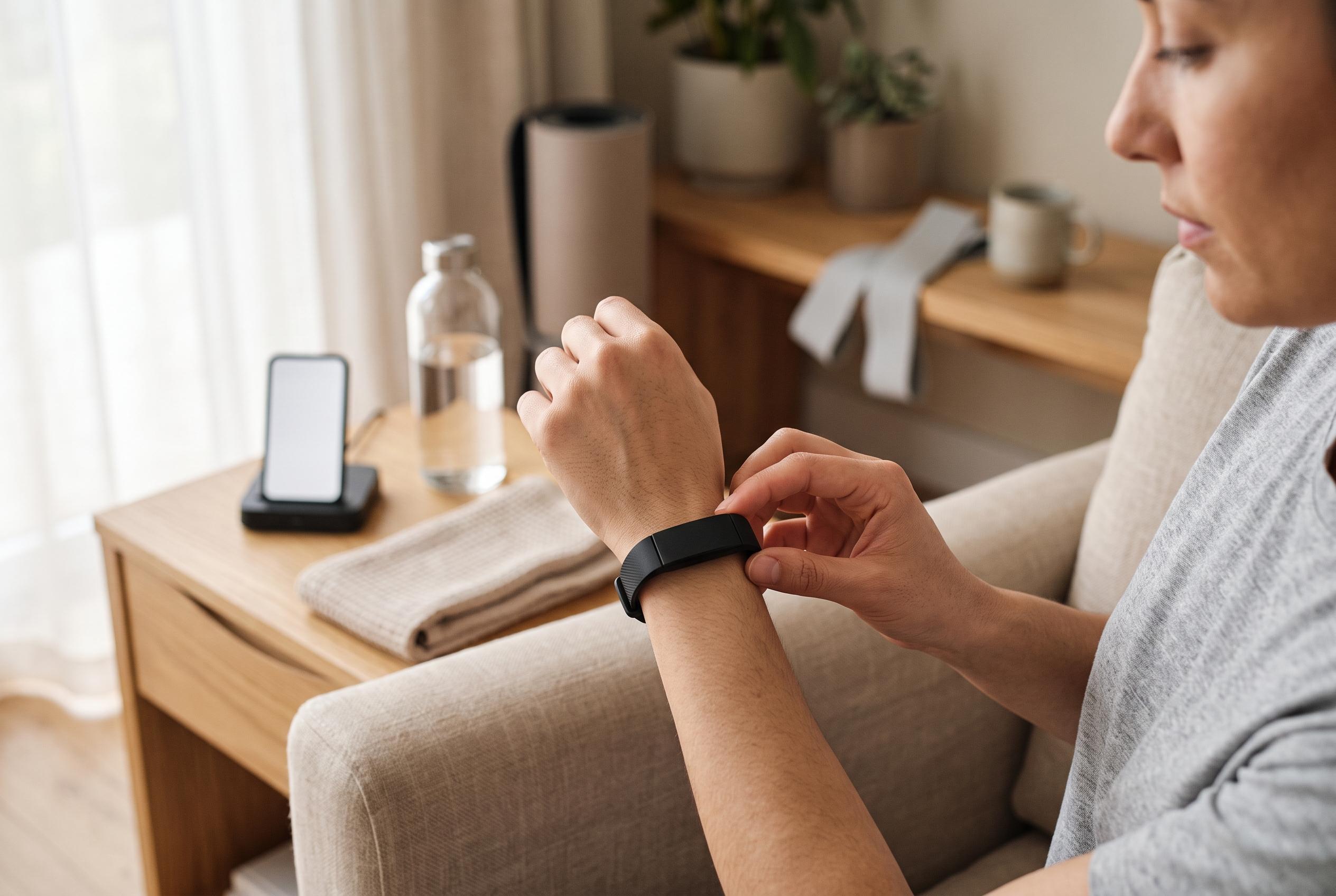

WHOOP introduces the 5.0 screenless fitness tracker in India, emphasising long-term health insights and recovery through a subscription-based model, amid growing competition in the segment.
WHOOP has launched its 5.0 screenless fitness band in India, positioning it as a device for people who care more about health data than notifications. The tracker is available through the company’s store with the One membership for ₹21,990, a figure that includes both the device and a 12-month subscription. In a market increasingly crowded with screen-free wearables, its arrival places WHOOP alongside newer products such as Fitbit’s Air, but with a more recovery-focused pitch.
The band is designed to be worn continuously and, according to the company, lasts for more than 14 days on a charge. It monitors heart rate, heart-rate variability, respiratory rate, skin temperature and movement, then turns that information into Recovery, Sleep and Strain scores. Rather than showing data on the device itself, WHOOP routes all feedback through its app, where users receive coaching based on long-term patterns in sleep, training and recovery.
WHOOP’s India pricing reflects a membership model rather than a one-off hardware purchase. The Peak plan costs ₹28,990 and adds features such as Healthspan, a stress monitor and Health Monitor. The company’s medical-grade WHOOP MG, which includes ECG and other advanced health functions, is not currently available in India. That split mirrors the wider WHOOP product strategy, which increasingly separates basic performance tracking from more advanced health insights behind higher tiers.
The launch comes as the broader screenless tracker category gains momentum. Tom’s Guide reported in May that Fitbit Air arrived as a subscription-free alternative priced at $99, with around a week of battery life, haptic feedback and features including sleep tracking, SpO2 and atrial fibrillation detection. By contrast, reviewers of WHOOP 5.0 say its strongest advantages are endurance, continuous monitoring and coaching depth, while its main drawback remains the requirement to commit to a membership. For Indian buyers, that makes the device a clear choice for users who want a dedicated recovery platform, but a less obvious fit for anyone seeking a conventional smartwatch replacement.
Disclaimer: This content is intended for informational purposes only. Readers are advised to exercise their own judgement, conduct due diligence, or consult a qualified expert before acting on any information provided.