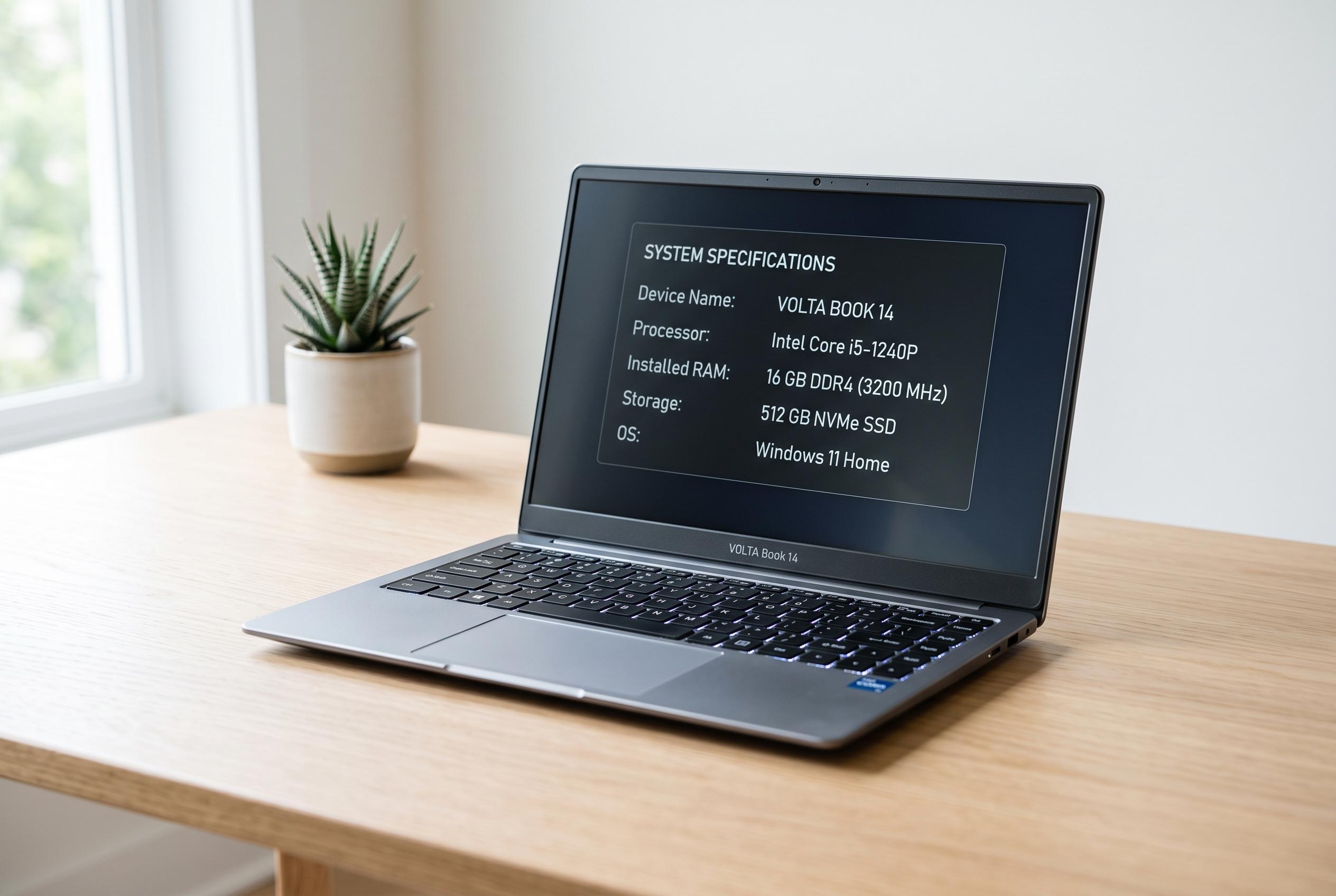

A new wave of budget-friendly laptops in 2026 now standardise 16 GB of RAM, transforming expectations for affordability, multitasking, and creative work without premium prices.
Cheap laptops no longer have to mean cramped memory and constant slowdowns. In 2026, 16 GB of RAM has become the practical baseline for most buyers, while 32 GB is now available in machines that do not sit in the premium bracket. That shift matters because modern browsers, video calls and operating systems can consume memory quickly, especially when several tasks run at once.
The strongest examples are no longer limited to specialist workstations. A growing number of affordable Windows laptops now pair generous memory with efficient processors, fast NVMe storage and displays sized for everyday productivity. According to recent buying guides from the likes of TechSpot and TechRadar, the wider market is also being shaped by rising DRAM prices and a clearer divide between entry-level systems and better-equipped laptops for multitasking, gaming or creative work.
Among the more balanced choices is the Asus Vivobook S 14, which combines a 14-inch WQXGA panel with Qualcomm’s Snapdragon X1-26-100, 16 GB of LPDDR5x memory and a 1 TB SSD. Its appeal is portability rather than raw power, but it offers a useful amount of headroom for office software, web work and travel use. ARM-based Windows laptops such as this can also be more efficient than older Intel or AMD systems, although software compatibility still deserves attention for users with niche applications.
The Acer Aspire 16 AI is the standout for memory capacity. With 32 GB of LPDDR5X, an Intel Core Ultra 7 258V, integrated Intel Arc graphics and Copilot+ PC certification, it is positioned as a serious multitasking machine rather than a basic home laptop. Its 16-inch 120 Hz display and Wi-Fi 7 support add to the case for buyers who want a machine that can handle heavier workloads without moving into the price tier of premium creator systems.
HP’s OmniBook 3 takes a more conventional route. It uses an AMD Ryzen 5 chip with 16 GB of LPDDR5 memory, a 512 GB SSD and a 16-inch WUXGA display. The design priorities are comfort and day-to-day practicality: a lighter chassis for its size, fast charging, a Full HD webcam and a full keyboard with number pad. For many buyers, that combination is more useful than chasing headline-grabbing specifications they will never fully use.
Lenovo’s IdeaPad Slim 3 continues the argument for raw CPU muscle at a modest price. Its Intel Core i5-13420H is a higher-wattage chip usually associated with more performance-focused machines, and when paired with 16 GB of RAM it gives the laptop enough responsiveness for heavier office work, video calls and multiple applications in the background. The inclusion of USB-C, USB-A, HDMI and Rapid Charge support makes it a sensible all-rounder for students and professionals.
The MSI Thin A15 shifts the discussion from productivity to graphics. Unlike the other models in the group, it adds a dedicated Nvidia GeForce RTX 4060, making it relevant for gaming, 3D work and video editing. That is important because, as Creative Bloq and TechRadar both note in their 2026 laptop round-ups, demanding creative software and modern games are far better served by a discrete GPU and at least 32 GB of RAM, although a capable 16 GB configuration remains acceptable for lighter use.
Dell’s 15-inch model rounds out the list with a conservative but dependable formula: a 13th-generation Intel Core i5, 16 GB of DDR4 memory, a 512 GB SSD and a 120 Hz Full HD display. It is not chasing novelty. Instead, it offers the sort of broadly useful specification set that still matters most to many buyers: enough memory to avoid bottlenecks, a full keyboard, decent connectivity and a design that should age more gracefully than ultra-cheap alternatives.
The broader lesson is simple. In today’s market, memory capacity should come before almost everything else in a budget laptop purchase. Storage can usually be expanded or supplemented later, but RAM is often soldered in place, especially in thin models that use LPDDR memory. That makes the initial choice far more important than it once was. For most buyers, 16 GB is now the floor, while 32 GB is the safer option for creative work, gaming or long-term use. On that basis, the Acer Aspire 16 AI is the most convincing all-round recommendation here because it delivers the most headroom for the money.
Disclaimer: This content is intended for informational purposes only. Readers are advised to exercise their own judgement, conduct due diligence, or consult a qualified expert before acting on any information provided.